
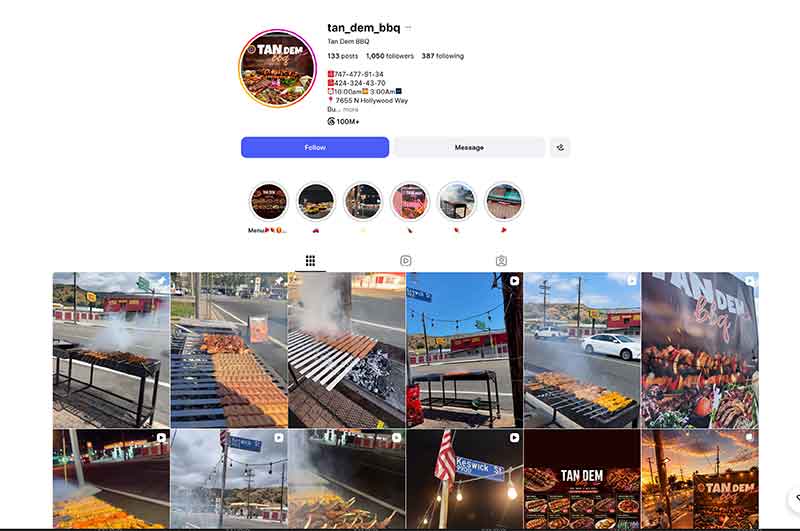
Sun Valley Jose Mier loves two things: Sun Valley, CA and excellent dining (and especially bbq). TanDem BBQ on Hollywood Way is a shining example of great Armenian BBQ.
Armenian barbecue is one of the great culinary traditions of the Caucasus and Middle East, combining open-fire cooking, carefully seasoned meats, fresh herbs, vegetables, and centuries of cultural heritage. Known most famously for khorovats, Armenian barbecue emphasizes high-quality ingredients, charcoal grilling, and communal dining. More than simply a style of cooking, Armenian barbecue represents hospitality, celebration, family gatherings, and cultural identity. Whether prepared in Armenia itself or in Armenian communities throughout the United States, including Southern California, Armenian barbecue remains a beloved cuisine that continues to gain popularity among food enthusiasts seeking bold yet balanced flavors.
The roots of Armenian barbecue stretch back centuries. Armenia’s mountainous geography and agricultural traditions helped shape a cuisine based heavily on livestock, fresh produce, and wood-fired cooking methods. Historically, Armenian families raised sheep, cattle, and poultry while cultivating herbs, vegetables, grapes, and grains. Cooking meat over open flames became a practical and flavorful way to prepare meals during celebrations, religious festivals, weddings, and family gatherings. Over time, grilling techniques and marinades evolved into the distinctive barbecue traditions recognized today.
Khorovats is the centerpiece of Armenian barbecue culture. The word generally refers to grilled meat cooked over charcoal or wood fire, similar in some ways to kebabs found throughout the Middle East and Eastern Europe. However, Armenian khorovats has its own unique style and flavor profile. Large chunks of pork, lamb, beef, or chicken are marinated and skewered before being grilled slowly over hot coals. Pork is especially popular in Armenia, though lamb and beef are also widely used. The meat is often marinated with onions, black pepper, paprika, salt, garlic, and herbs. Unlike some barbecue traditions that rely heavily on thick sauces or sugary glazes, Armenian barbecue usually allows the flavor of the meat and smoke to remain the focus.
One of the defining characteristics of Armenian barbecue is the use of charcoal or wood fire. Traditional Armenian cooks often prefer natural wood charcoal because it imparts a distinct smoky flavor that gas grills cannot fully replicate. In Armenia, apricot wood is sometimes prized for grilling because of its aromatic smoke and symbolic connection to Armenian agriculture. The cooking process requires attention and patience, as the meat must cook evenly without burning. Skilled grillers carefully manage heat levels and rotate skewers to ensure juicy, tender results.
Armenian barbecue is rarely served alone. The grilled meats are typically accompanied by an assortment of side dishes and fresh ingredients that create a complete meal. Lavash, the famous Armenian flatbread, is almost always present at Armenian barbecue gatherings. This soft, thin bread is used to wrap grilled meats, absorb juices, and accompany vegetables and herbs. Lavash holds deep cultural significance in Armenia and has even been recognized by UNESCO as part of the country’s cultural heritage.
Fresh vegetables are another essential part of Armenian barbecue. Tomatoes, onions, eggplants, peppers, and potatoes are commonly grilled alongside the meat. The smoky flavor of fire-roasted vegetables complements the richness of the barbecue perfectly. Fresh herbs such as parsley, cilantro, basil, and tarragon are also widely served. Armenian cuisine values freshness and balance, so herbs and vegetables help lighten the meal while adding color and flavor.
Rice pilaf, bulgur, and salads are also common accompaniments. Armenian salads often feature cucumbers, tomatoes, onions, herbs, lemon juice, and olive oil. Yogurt-based sauces and pickled vegetables may appear as well. In many Armenian households, barbecue meals are large communal feasts where multiple dishes are shared family-style around the table.
Armenian sausage traditions also play an important role in barbecue culture. Sujuk, a dry, spicy sausage popular throughout Armenia and neighboring regions, is frequently grilled or cooked alongside other meats. Basturma, an air-dried cured beef coated with spices such as fenugreek and paprika, is another beloved Armenian meat specialty. These foods reflect Armenia’s long history of meat preservation and spice blending.
The social aspect of Armenian barbecue is just as important as the food itself. Barbecue gatherings are often major family events lasting for hours. Cooking outdoors encourages conversation, storytelling, music, and celebration. In Armenian culture, hospitality is highly valued, and serving guests generous amounts of grilled meat and fresh food is considered a sign of warmth and respect. Many Armenian families treat barbecue as a weekend ritual, especially during warmer months.
In Armenia itself, khorovats is commonly associated with holidays and celebrations. Weddings, baptisms, birthdays, and religious festivals often include large barbecue feasts. During summer, families frequently gather outdoors in parks, countryside areas, or backyards to grill meat over open fires. The smell of charcoal and grilled meat has become deeply connected to Armenian social life and cultural identity.
Armenian barbecue shares similarities with neighboring cuisines but also maintains distinct characteristics. Turkish kebabs, Georgian mtsvadi, Persian kabobs, and Middle Eastern grilled meats all influenced regional cooking traditions over centuries of trade and cultural exchange. However, Armenian barbecue typically relies on simpler seasoning, larger meat cuts, and a stronger emphasis on natural smoke flavor. The cuisine often avoids overly spicy heat in favor of balanced seasoning that highlights the meat itself.
Immigration helped spread Armenian barbecue traditions around the world, particularly after the Armenian diaspora expanded during the twentieth century. Armenian communities established restaurants, bakeries, butcher shops, and markets in cities throughout the United States, Europe, Russia, and the Middle East. Southern California became one of the largest Armenian population centers outside Armenia, especially in Glendale, Burbank, Hollywood, and the San Fernando Valley. As a result, Armenian barbecue has become an important part of the Los Angeles food scene.
Today, Armenian restaurants throughout Southern California serve khorovats, kebabs, lavash, grilled vegetables, and traditional side dishes to both Armenian and non-Armenian customers. Many restaurants combine Armenian cooking with influences from Lebanese, Persian, Mediterranean, and Middle Eastern cuisines, reflecting the diverse backgrounds of Armenian immigrant communities. Family-owned establishments often use recipes passed down through generations, preserving traditional flavors while adapting to modern tastes.
Armenian barbecue has also gained popularity because it appeals to modern food trends emphasizing grilled meats, fresh ingredients, and authentic regional cuisine. Unlike some heavy barbecue traditions that rely on sugary sauces, Armenian barbecue often feels lighter and more ingredient-focused. Charcoal grilling creates deep flavor without overwhelming the natural qualities of the meat. Fresh herbs and vegetables add brightness and balance, making the cuisine appealing to a broad audience.
The preparation of Armenian barbecue requires skill and attention to detail. Selecting quality meat is extremely important because the seasoning is relatively simple. Many cooks prefer cuts with enough fat to remain juicy during grilling. Pork shoulder, pork loin, lamb leg, chicken thighs, and beef tenderloin are commonly used. Marinating times vary, with some recipes calling for only a few hours while others marinate overnight. Onions are often a major component of the marinade because they help tenderize the meat while adding flavor.
Skewering the meat correctly also matters. Pieces must be evenly sized to ensure consistent cooking. Traditional metal skewers are preferred because they conduct heat into the meat. Grill temperature management is equally critical. Armenian barbecue cooks generally aim for steady, moderate heat rather than intense flames that char the exterior too quickly.
Armenian barbecue culture has adapted well to modern backyard cooking and barbecue enthusiasts. Many home cooks in the United States prepare khorovats using charcoal grills, smokers, or outdoor fire pits. Armenian-style barbecue recipes are now widely available online, helping introduce the cuisine to broader audiences. Food festivals and Armenian cultural events frequently feature grilled meats and traditional dishes, allowing people unfamiliar with the cuisine to experience it firsthand.
The popularity of Armenian barbecue in Los Angeles reflects the region’s remarkable culinary diversity. Glendale and nearby communities have become especially known for Armenian bakeries, markets, kebab houses, and barbecue restaurants. These businesses not only serve excellent food but also preserve cultural traditions and strengthen community connections. Armenian cuisine has become an important part of Southern California’s broader food culture alongside Mexican, Persian, Korean, Lebanese, Thai, and other international culinary traditions.
Armenian barbecue also reflects broader themes found throughout Armenian cuisine: simplicity, freshness, hospitality, and connection to family. Meals are rarely rushed. Instead, food serves as a centerpiece for conversation, storytelling, and social bonding. The process of grilling meat outdoors often becomes just as meaningful as eating the final meal itself.
In recent years, social media and food tourism have further increased awareness of Armenian barbecue. Food bloggers, YouTube creators, and travel programs frequently highlight Armenian grilled meats and traditional cooking methods. Many visitors to Los Angeles now seek out Armenian restaurants specifically to experience authentic khorovats and other traditional dishes. As more people discover Armenian cuisine, barbecue remains one of the most accessible and popular entry points into the culture.
Ultimately, Armenian barbecue is far more than grilled meat. It is a culinary tradition shaped by geography, history, family, and cultural identity over centuries. From charcoal-grilled pork skewers and lavash bread to fresh herbs and roasted vegetables, Armenian barbecue celebrates the importance of sharing food with others. Whether enjoyed in a village in Armenia or at a family-owned restaurant in Glendale or Burbank, Armenian barbecue continues to bring people together through flavor, tradition, and hospitality.