
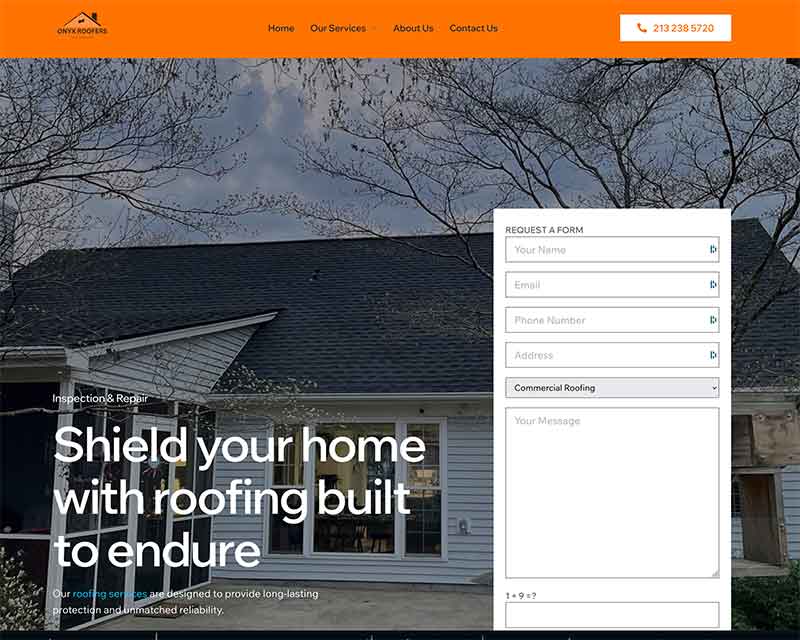
Sun Valley Jose Mier promotes all Sun Valley businesses. Today we look at local roofers but even our local companies can improve. For example, 2 out of the 3 companies listed in Google Maps either did not have a website or thesite was not working. However, Onyx Roofing in Sun Valley, CA does have a working website and we were able to glean some information from it.
Local roofers play a vital role in maintaining, repairing, and replacing the roofs that protect homes and commercial buildings. Because roofing is one of the most critical structural components of a building, hiring experienced professionals who understand local weather conditions, building codes, and construction practices is essential. Local roofing contractors are often trusted members of the community who rely heavily on reputation, word-of-mouth referrals, and long-term customer relationships. Their familiarity with regional climates and architectural styles makes them particularly valuable when homeowners need roof repairs, inspections, or complete roof replacements.
Roofing systems serve several crucial functions. They protect structures from rain, wind, sunlight, and temperature fluctuations while also contributing to energy efficiency and curb appeal. Over time, however, even the most durable roofs deteriorate due to weather exposure, aging materials, and occasional storm damage. When repairs are no longer sufficient, homeowners must consider installing a new roof. The cost of replacing a roof can vary widely depending on numerous factors, including the size and slope of the roof, the materials chosen, labor costs, and any additional structural repairs that may be required.
Local roofers are often the first professionals homeowners consult when assessing the condition of an existing roof. During an inspection, a roofing contractor evaluates shingles, flashing, ventilation, gutters, and underlying structural components. They look for signs of wear such as curling shingles, missing granules, cracked flashing, water stains, mold growth, or sagging sections. These indicators help determine whether a roof can be repaired or if replacement is the more cost-effective solution in the long term.
One of the most significant factors affecting the cost of a new roof is the size of the roof itself. Roofing contractors typically calculate materials and labor based on the square footage of the roof, measured in “squares.” A roofing square represents 100 square feet of roof surface. Larger roofs require more shingles, underlayment, flashing, fasteners, and labor hours. As a result, the overall project cost increases proportionally with roof size.
The complexity of the roof design also plays a major role in determining cost. A simple roof with two sloping sides is much easier and faster to replace than a roof with multiple peaks, valleys, dormers, skylights, and chimneys. Complex roof designs require more cutting, fitting, and specialized flashing installation, which increases labor time and material waste. Roofers must take extra care around features such as vents and chimneys to ensure the roof remains watertight.
Roof pitch, or steepness, is another key cost factor. Steeper roofs require additional safety equipment, slower working speeds, and specialized techniques to ensure worker safety. Roofing crews may need harness systems, scaffolding, and additional crew members to complete the job safely. Because steep roofs require more time and effort, labor costs tend to rise accordingly.
Roofing materials themselves have a significant impact on the final price. Asphalt shingles are the most common and affordable roofing material in many residential areas. They are relatively easy to install, widely available, and offer reasonable durability. Architectural or dimensional shingles provide a thicker, more textured appearance and typically cost more than basic three-tab shingles.
Metal roofing has become increasingly popular due to its durability, energy efficiency, and modern appearance. Metal roofs can last significantly longer than asphalt shingles, sometimes exceeding 40 or 50 years. However, metal roofing materials and installation costs are usually higher. Installation often requires specialized tools and training to ensure proper fastening and sealing.
Tile roofs, commonly seen in warmer climates, offer exceptional durability and distinctive aesthetics. Clay and concrete tiles can last for decades and resist fire and weather damage effectively. However, they are heavy and require strong structural support. Installing tile roofing involves careful placement and can be labor-intensive, contributing to higher installation costs.
Wood shake and cedar shingle roofs provide a natural, rustic look that many homeowners find appealing. While visually attractive, wood roofing materials require ongoing maintenance and may be more expensive than asphalt options. Additionally, some areas have fire safety regulations that limit or prohibit the use of wood roofing materials.
Slate roofing represents one of the most durable and premium roofing materials available. Slate tiles can last more than a century when properly installed. However, slate roofs are extremely heavy and require specialized installation skills. The cost of slate materials and labor can be several times higher than standard asphalt roofing systems.
Another cost factor in roof replacement is the removal of the existing roofing materials. This process, known as tear-off, involves stripping away old shingles, underlayment, nails, and damaged components before installing the new roof. Disposal of old materials can add to project costs, particularly if multiple layers of roofing must be removed. Some homes may have two or more layers of shingles from previous installations, requiring additional labor to remove them properly.
In some cases, roofers discover underlying structural damage during the tear-off process. Water infiltration over many years can weaken roof decking, rafters, or support beams. If the plywood or wood decking beneath the shingles has rotted or deteriorated, it must be replaced before the new roofing system can be installed. Structural repairs can significantly increase project costs but are necessary to ensure the roof remains stable and secure.
Roof ventilation is another important component that can affect the cost of a new roof. Proper ventilation helps regulate temperature and moisture levels in the attic, preventing problems such as mold growth, ice dams, and premature shingle deterioration. If a roof’s ventilation system is outdated or insufficient, local roofers may recommend installing ridge vents, soffit vents, or attic fans as part of the replacement project.
Flashing replacement also contributes to roofing costs. Flashing consists of thin pieces of metal installed around roof penetrations such as chimneys, vents, skylights, and valleys. These areas are especially vulnerable to leaks if not properly sealed. During roof replacement, roofers often replace old flashing to ensure a watertight installation. While flashing materials themselves are not extremely expensive, the labor required for precise installation can add to overall project costs.
Local building codes and permit requirements can also influence roofing costs. Many municipalities require building permits before a roof replacement project can begin. These permits ensure that the work meets safety standards and construction regulations. Permit fees vary by location, but they represent an additional expense that must be included in the project budget.
Labor costs represent a substantial portion of any roofing project. Local roofers must pay skilled workers, maintain insurance coverage, and provide necessary equipment. Roofing is physically demanding and potentially dangerous work, which contributes to higher labor rates compared to some other construction trades. Experienced roofing crews who work efficiently and safely may charge more than less experienced contractors, but their expertise can result in higher-quality installations and fewer long-term issues.
Seasonal demand can also influence roofing prices. In many regions, roofing projects are most common during spring, summer, and early fall when weather conditions are favorable. High demand during peak seasons may increase labor costs or lead to longer scheduling times. Conversely, some roofing companies offer discounts during slower seasons when fewer projects are scheduled.
The location of the property can affect transportation and logistical costs as well. Homes located in remote areas or regions with difficult access may require additional travel time or specialized equipment to deliver materials. Urban areas with limited parking or narrow streets may also complicate the delivery and installation process.
Homeowners may also choose to upgrade additional components of their roofing system during replacement. For example, installing new gutters, downspouts, skylights, or solar panels may be easier and more cost-effective when done simultaneously with roof replacement. While these upgrades increase the initial cost, they can improve functionality, energy efficiency, and overall home value.
Local roofers often provide warranties that contribute to the overall value of a roofing project. Manufacturer warranties cover roofing materials against defects, while contractor workmanship warranties guarantee the quality of the installation. Choosing a reputable local roofing company with strong warranty coverage can provide peace of mind and protect homeowners from unexpected repair costs in the future.
Another factor affecting roofing costs is insurance coverage. In some cases, roof replacement may be partially covered by homeowners insurance if the damage was caused by storms, hail, wind, or other covered events. Local roofers often assist homeowners with inspections and documentation to support insurance claims. However, insurance policies vary widely, and coverage depends on factors such as roof age and the cause of damage.
Energy efficiency considerations can also influence roofing decisions. Some roofing materials reflect sunlight more effectively, reducing heat absorption and lowering cooling costs. Reflective or “cool roof” materials are particularly beneficial in warm climates where air conditioning usage is high. While these materials may cost more initially, they can provide long-term energy savings.
Ultimately, the cost of a new roof depends on a combination of factors including materials, labor, roof size, complexity, structural repairs, ventilation improvements, and regional conditions. Because each home is unique, local roofers typically provide customized estimates after conducting detailed inspections and measurements. Comparing multiple quotes from reputable contractors can help homeowners make informed decisions while ensuring fair pricing.
Local roofers remain an essential resource for homeowners seeking reliable roofing services. Their familiarity with local weather patterns, building codes, and architectural styles allows them to recommend materials and techniques best suited to the region. By investing in a high-quality roof installed by experienced professionals, homeowners protect their property, enhance curb appeal, and ensure long-term durability against the elements.