
shadow

Sun Valley Jose Mier on Sun Valley Adjacent Hospitals

Sun Valley, CA hospital Jose Mier

Sun Valley Jose Mier recommends nearby hospitals/medical facilities like Kaiser Permanente in Panorama City.

Sun Valley, CA hospital Jose Mier

Kaiser Permanente is one of the largest and most influential healthcare organizations in the United States, widely recognized for its integrated care model that combines insurance coverage, hospitals, and physician networks into a single coordinated system. Founded in 1945, Kaiser Permanente has grown to serve millions of members across multiple states, with a particularly strong presence in California. Its approach emphasizes preventive care, early diagnosis, and coordinated treatment, allowing physicians, specialists, and support staff to collaborate efficiently using shared medical records and advanced technology. This model helps reduce redundancies, improve patient outcomes, and streamline the overall healthcare experience. Over the decades, Kaiser Permanente has also invested heavily in research, community health initiatives, and innovative care delivery methods, positioning itself as a leader in modern healthcare systems.

A prime example of Kaiser Permanente’s comprehensive approach can be seen at its major campus in Panorama City, California. The Panorama City Medical Center serves as a central healthcare hub for the San Fernando Valley, offering a wide range of services within a single, interconnected campus. Located at 13651 Willard Street, the facility includes a full-service hospital, multiple medical office buildings, specialty care centers, and support services designed to meet the needs of a diverse patient population. The campus is designed to provide continuity of care, meaning patients can receive everything from routine checkups to advanced medical treatments without needing to travel between different providers.

The hospital at Panorama City Medical Center operates a 24-hour emergency department, providing critical care services around the clock. Emergency medicine is supported by advanced diagnostic imaging, laboratory services, and specialized departments that allow for rapid assessment and treatment of patients. In addition to emergency care, the facility offers urgent care services for less severe conditions, ensuring that patients have access to timely medical attention without overwhelming emergency resources.

This layered approach to care—emergency, urgent, and primary—helps improve efficiency while ensuring that patients receive the appropriate level of treatment for their needs.

One of the defining features of the Panorama City campus is the breadth of specialties available on-site. Medical offices located throughout the campus provide services in areas such as cardiology, oncology, endocrinology, orthopedics, gastroenterology, pulmonology, and more. Patients can access advanced diagnostic tools, including imaging and laboratory testing, often within the same building where they see their physician. This integration allows for faster diagnoses and more coordinated treatment plans. For example, a patient with a suspected cardiac issue can undergo testing, consult with a specialist, and begin treatment within a tightly coordinated system, reducing delays and improving outcomes.

The campus is also home to specialized care services that address complex medical needs. Oncology and hematology departments provide cancer treatment, including chemotherapy and infusion services, while nephrology and endocrinology clinics support patients with chronic conditions such as kidney disease and diabetes. Surgical services, including general and vascular surgery, are available alongside post-operative care and rehabilitation services. These comprehensive offerings make the Panorama City facility a critical resource for both acute and long-term medical care in the region.

Maternal and family health services are another key component of the Panorama City Medical Center. The facility offers comprehensive maternity care, including 24-hour obstetrics services, certified nurse midwives, and neonatal intensive care units (NICUs) for high-risk births. Private birthing suites and postpartum rooms are designed to provide comfort and privacy for families, while lactation consultants and educators support new parents during the early stages of infant care. These services reflect Kaiser Permanente’s commitment to providing family-centered care and ensuring positive outcomes for both mothers and newborns.

Beyond acute and specialized care, the Panorama City campus emphasizes preventive health and wellness. The Center for Healthy Living offers programs such as nutrition counseling, blood pressure monitoring, and wellness coaching, helping patients manage their health proactively. These services are designed to reduce the risk of chronic disease and encourage healthier lifestyles, aligning with Kaiser Permanente’s broader mission of preventive care. By focusing on early intervention and education, the organization aims to improve long-term health outcomes and reduce the need for more intensive medical treatments.

Pharmacy services are another integral part of the Panorama City facility. The campus includes multiple pharmacy locations, including a 24-hour discharge pharmacy that ensures patients can access medications immediately after leaving the hospital. Mail-order and refill services further enhance convenience, allowing patients to manage their prescriptions efficiently. This integration of pharmacy services into the broader care system helps ensure medication adherence and continuity of care.

Accessibility and patient support are also central to the design of the Panorama City campus. Interpreter services are available around the clock, ensuring that patients can communicate effectively with their healthcare providers regardless of language barriers. Member services and patient support offices assist with insurance questions, appointment scheduling, and care coordination, making it easier for patients to navigate the healthcare system.

These support services play a crucial role in enhancing the overall patient experience and ensuring that individuals receive the care they need without unnecessary complications.

Another notable aspect of the Panorama City Medical Center is its commitment to community engagement. Volunteer programs allow local residents to contribute to the hospital environment, supporting patients and staff while gaining valuable experience in a healthcare setting. Educational resources, including medical libraries and health classes, provide additional opportunities for community members to learn about health and wellness. These initiatives help strengthen the connection between the hospital and the community it serves.

The physical layout of the Panorama City campus reflects Kaiser Permanente’s emphasis on integrated care. Multiple medical office buildings are located within close proximity to the main hospital, each housing specific departments and specialties. For example, Medical Offices 2 includes services such as orthopedics, physical therapy, and vision care, while other buildings house cardiology, oncology, and surgical departments.

This organized structure allows patients to move seamlessly between services, reducing wait times and improving efficiency.

Technology plays a significant role in the operations of Kaiser Permanente and its Panorama City facility. Electronic health records enable physicians and specialists to access patient information instantly, facilitating better communication and more informed decision-making. Telehealth services and virtual appointments further expand access to care, allowing patients to consult with healthcare providers from the comfort of their homes. These technological advancements have become increasingly important in modern healthcare, improving accessibility and convenience for patients.

Kaiser Permanente’s integrated model also extends to its approach to quality and safety. The organization places a strong emphasis on measuring and improving healthcare outcomes, using data-driven methods to identify areas for improvement and implement best practices. At Panorama City Medical Center, this focus on quality is reflected in the availability of advanced diagnostic tools, specialized care teams, and comprehensive support services. By continuously evaluating performance and adopting new technologies, Kaiser Permanente aims to maintain high standards of care across all its facilities.

The importance of facilities like Panorama City Medical Center cannot be overstated, particularly in densely populated regions like the San Fernando Valley. With a growing population and increasing demand for healthcare services, having a comprehensive, integrated medical center is essential for meeting the needs of the community. The Panorama City campus serves as a vital resource, providing accessible, high-quality care to residents across the region.

In conclusion, Kaiser Permanente stands as a leader in modern healthcare, offering an innovative model that integrates insurance, medical services, and hospital care into a cohesive system. The Panorama City Medical Center exemplifies this approach, providing a wide range of services within a single, well-coordinated campus. From emergency care and specialized treatments to preventive health programs and community outreach, the facility plays a critical role in supporting the health and well-being of the San Fernando Valley. Through its commitment to quality, innovation, and patient-centered care, Kaiser Permanente continues to set the standard for integrated healthcare delivery in the United States.

sunvalleyjosemier.com

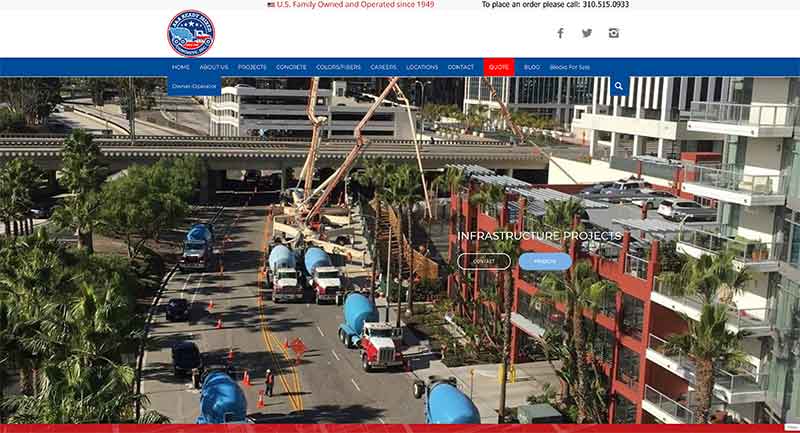
Sun Valley Jose Mier is Ready (With Ready Mix Concrete)

Sun Valley Jose Mier ready mix concrete

Sun Valley Jose Mier knows a thing or two about construction and one vital element is concrete. Here is Sun Valley we have A&A Ready Mixed Concrete.

Sun Valley Jose Mier ready mix concrete

Ready mix concrete is one of the most important materials in modern construction, playing a central role in everything from residential foundations to massive infrastructure projects. Unlike traditional site-mixed concrete, ready mix concrete is manufactured in a controlled environment at a batching plant and delivered to the construction site in a plastic, workable state. This approach ensures consistent quality, precise ingredient proportions, and improved efficiency, making it the preferred choice for builders, engineers, and contractors around the world.

At its core, concrete is a mixture of cement, water, aggregates (such as sand and gravel or crushed stone), and often various chemical or mineral admixtures. In ready mix concrete, these components are carefully measured and combined using automated batching systems. This level of control allows manufacturers to produce concrete that meets specific strength, durability, and performance requirements. Whether a project requires high-strength concrete for a skyscraper or a more flexible mix for pavement, ready mix plants can tailor the formulation to suit the application.

One of the key advantages of ready mix concrete is consistency. When concrete is mixed on-site, variations in measurement, mixing time, and environmental conditions can lead to inconsistencies in quality. These inconsistencies can affect the strength and durability of the finished structure. In contrast, ready mix concrete is produced under standardized conditions, with precise control over every ingredient. This results in a uniform product that performs reliably, reducing the risk of structural issues and costly repairs.

The production process begins at the batching plant, where raw materials are stored in separate compartments. Cement is kept in silos, aggregates are stored in bins, and water is supplied through controlled systems. When an order is placed, the batching system measures each component according to the specified mix design. The materials are then either mixed at the plant (central mixed concrete) or loaded into a transit mixer truck where mixing occurs during transport (transit mixed concrete). In some cases, partially mixed concrete is completed en route to the site.

Transportation is a critical aspect of ready mix concrete. Once mixed, concrete must be delivered and placed within a specific time frame to ensure it remains workable. Transit mixer trucks are equipped with rotating drums that keep the concrete agitated, preventing it from setting prematurely. The timing of delivery is carefully coordinated with the construction schedule to ensure that the concrete can be poured immediately upon arrival. Delays can lead to reduced workability and may require adjustments such as the addition of water or admixtures, which must be done carefully to maintain quality.

Another major benefit of ready mix concrete is efficiency. By outsourcing the mixing process to a specialized plant, construction sites can save time, labor, and space. There is no need to store large quantities of raw materials on-site or operate mixing equipment, which can be both costly and labor-intensive. This streamlined approach allows contractors to focus on placement and finishing, improving overall productivity.

Ready mix concrete also contributes to improved safety on construction sites. Handling raw materials such as cement and aggregates can create dust and other hazards, while operating mixing equipment introduces additional risks. By delivering pre-mixed concrete, these hazards are minimized, creating a safer working environment for construction crews. Additionally, the reduced need for on-site storage and equipment helps keep the site more organized and less congested.

Environmental considerations are increasingly important in the construction industry, and ready mix concrete offers several advantages in this area. Centralized production allows for better control of material usage, reducing waste and optimizing resource efficiency. Batching plants can also incorporate recycled materials, such as crushed concrete or industrial byproducts like fly ash and slag, into their mixes. These materials not only reduce the environmental impact of concrete production but can also enhance certain properties, such as durability and resistance to chemical attack.

Water management is another area where ready mix plants excel. Excess water from the mixing process can be captured, treated, and reused, minimizing waste and reducing the demand for fresh water. Dust and emissions can also be controlled more effectively at a centralized facility compared to multiple on-site mixing operations. As sustainability becomes a greater priority, many ready mix companies are investing in technologies and practices that further reduce their environmental footprint.

The versatility of ready mix concrete is one of its most significant strengths. Different types of mixes can be designed to meet a wide range of requirements. For example, high-strength concrete is used in high-rise buildings and bridges, where structural integrity is critical. Self-consolidating concrete flows easily into complex forms without the need for vibration, making it ideal for intricate designs or heavily reinforced structures. Lightweight concrete reduces the overall weight of a structure, while high-performance concrete offers enhanced durability in harsh environments.

Admixtures play a crucial role in customizing ready mix concrete. Chemical admixtures can accelerate or retard the setting time, improve workability, or increase strength. For instance, accelerators are used in cold weather to speed up curing, while retarders are used in hot conditions to prevent the concrete from setting too quickly. Plasticizers and superplasticizers enhance flow without adding extra water, maintaining strength while improving ease of placement.

Applications of ready mix concrete are vast and varied. In residential construction, it is commonly used for foundations, driveways, sidewalks, and patios. In commercial projects, it forms the structural framework of office buildings, shopping centers, and parking structures. Infrastructure projects rely heavily on ready mix concrete for roads, bridges, tunnels, dams, and airports. Its durability and strength make it an ideal material for projects that must withstand heavy loads and environmental stresses.

Quality control is a critical aspect of ready mix concrete production. Batching plants employ rigorous testing procedures to ensure that each batch meets the required specifications. This may include testing for slump (a measure of workability), air content, temperature, and compressive strength. Samples are often taken from delivered concrete and tested in laboratories to verify performance. This level of quality assurance provides confidence to engineers and contractors that the material will perform as expected.

Despite its many advantages, ready mix concrete also presents certain challenges. One of the primary concerns is timing. Because concrete begins to set soon after mixing, delays in transportation or placement can affect its quality. Traffic congestion, weather conditions, and coordination issues can all impact delivery schedules. To mitigate these risks, careful planning and communication between the supplier and contractor are essential.

Another challenge is cost. While ready mix concrete can reduce labor and equipment expenses, the material itself may be more expensive than site-mixed concrete, particularly for smaller projects. However, when considering the overall efficiency, quality, and reduced risk of errors, many contractors find that ready mix concrete offers better value in the long run.

Technological advancements are continuing to shape the ready mix concrete industry. Automation and digital systems are improving accuracy and efficiency in batching plants, while GPS tracking and scheduling software help optimize delivery routes and timing. Innovations in materials science are leading to the development of new types of concrete with enhanced properties, such as ultra-high-performance concrete and self-healing concrete.

The future of ready mix concrete is closely tied to the broader trends in construction and sustainability. As urbanization continues and the demand for infrastructure grows, the need for reliable, high-quality construction materials will only increase. At the same time, environmental concerns are driving the industry to adopt more sustainable practices, such as reducing carbon emissions associated with cement production and incorporating alternative materials.

In conclusion, ready mix concrete is a cornerstone of modern construction, offering a combination of quality, efficiency, and versatility that is difficult to match. Its centralized production ensures consistent performance, while its adaptability allows it to meet the diverse needs of projects ranging from small residential builds to large-scale infrastructure developments. By reducing waste, improving safety, and supporting sustainable practices, ready mix concrete continues to play a vital role in shaping the built environment. As technology advances and the industry evolves, it is likely to remain an essential material for construction projects around the world for many years to come.

sunvalleyjosemier.com

Sun Valley Jose Mier on Our Local Roofing Companies

Sun Valley Jose Mier local roofing company

Sun Valley Jose Mier promotes all Sun Valley businesses. Today we look at local roofers but even our local companies can improve. For example, 2 out of the 3 companies listed in Google Maps either did not have a website or thesite was not working. However, Onyx Roofing in Sun Valley, CA does have a working website and we were able to glean some information from it.

Sun Valley Jose Mier local roofing company

Local roofers play a vital role in maintaining, repairing, and replacing the roofs that protect homes and commercial buildings. Because roofing is one of the most critical structural components of a building, hiring experienced professionals who understand local weather conditions, building codes, and construction practices is essential. Local roofing contractors are often trusted members of the community who rely heavily on reputation, word-of-mouth referrals, and long-term customer relationships. Their familiarity with regional climates and architectural styles makes them particularly valuable when homeowners need roof repairs, inspections, or complete roof replacements.

Roofing systems serve several crucial functions. They protect structures from rain, wind, sunlight, and temperature fluctuations while also contributing to energy efficiency and curb appeal. Over time, however, even the most durable roofs deteriorate due to weather exposure, aging materials, and occasional storm damage. When repairs are no longer sufficient, homeowners must consider installing a new roof. The cost of replacing a roof can vary widely depending on numerous factors, including the size and slope of the roof, the materials chosen, labor costs, and any additional structural repairs that may be required.

Local roofers are often the first professionals homeowners consult when assessing the condition of an existing roof. During an inspection, a roofing contractor evaluates shingles, flashing, ventilation, gutters, and underlying structural components. They look for signs of wear such as curling shingles, missing granules, cracked flashing, water stains, mold growth, or sagging sections. These indicators help determine whether a roof can be repaired or if replacement is the more cost-effective solution in the long term.

One of the most significant factors affecting the cost of a new roof is the size of the roof itself. Roofing contractors typically calculate materials and labor based on the square footage of the roof, measured in “squares.” A roofing square represents 100 square feet of roof surface. Larger roofs require more shingles, underlayment, flashing, fasteners, and labor hours. As a result, the overall project cost increases proportionally with roof size.

The complexity of the roof design also plays a major role in determining cost. A simple roof with two sloping sides is much easier and faster to replace than a roof with multiple peaks, valleys, dormers, skylights, and chimneys. Complex roof designs require more cutting, fitting, and specialized flashing installation, which increases labor time and material waste. Roofers must take extra care around features such as vents and chimneys to ensure the roof remains watertight.

Roof pitch, or steepness, is another key cost factor. Steeper roofs require additional safety equipment, slower working speeds, and specialized techniques to ensure worker safety. Roofing crews may need harness systems, scaffolding, and additional crew members to complete the job safely. Because steep roofs require more time and effort, labor costs tend to rise accordingly.

Roofing materials themselves have a significant impact on the final price. Asphalt shingles are the most common and affordable roofing material in many residential areas. They are relatively easy to install, widely available, and offer reasonable durability. Architectural or dimensional shingles provide a thicker, more textured appearance and typically cost more than basic three-tab shingles.

Metal roofing has become increasingly popular due to its durability, energy efficiency, and modern appearance. Metal roofs can last significantly longer than asphalt shingles, sometimes exceeding 40 or 50 years. However, metal roofing materials and installation costs are usually higher. Installation often requires specialized tools and training to ensure proper fastening and sealing.

Tile roofs, commonly seen in warmer climates, offer exceptional durability and distinctive aesthetics. Clay and concrete tiles can last for decades and resist fire and weather damage effectively. However, they are heavy and require strong structural support. Installing tile roofing involves careful placement and can be labor-intensive, contributing to higher installation costs.

Wood shake and cedar shingle roofs provide a natural, rustic look that many homeowners find appealing. While visually attractive, wood roofing materials require ongoing maintenance and may be more expensive than asphalt options. Additionally, some areas have fire safety regulations that limit or prohibit the use of wood roofing materials.

Slate roofing represents one of the most durable and premium roofing materials available. Slate tiles can last more than a century when properly installed. However, slate roofs are extremely heavy and require specialized installation skills. The cost of slate materials and labor can be several times higher than standard asphalt roofing systems.

Another cost factor in roof replacement is the removal of the existing roofing materials. This process, known as tear-off, involves stripping away old shingles, underlayment, nails, and damaged components before installing the new roof. Disposal of old materials can add to project costs, particularly if multiple layers of roofing must be removed. Some homes may have two or more layers of shingles from previous installations, requiring additional labor to remove them properly.

In some cases, roofers discover underlying structural damage during the tear-off process. Water infiltration over many years can weaken roof decking, rafters, or support beams. If the plywood or wood decking beneath the shingles has rotted or deteriorated, it must be replaced before the new roofing system can be installed. Structural repairs can significantly increase project costs but are necessary to ensure the roof remains stable and secure.

Roof ventilation is another important component that can affect the cost of a new roof. Proper ventilation helps regulate temperature and moisture levels in the attic, preventing problems such as mold growth, ice dams, and premature shingle deterioration. If a roof’s ventilation system is outdated or insufficient, local roofers may recommend installing ridge vents, soffit vents, or attic fans as part of the replacement project.

Flashing replacement also contributes to roofing costs. Flashing consists of thin pieces of metal installed around roof penetrations such as chimneys, vents, skylights, and valleys. These areas are especially vulnerable to leaks if not properly sealed. During roof replacement, roofers often replace old flashing to ensure a watertight installation. While flashing materials themselves are not extremely expensive, the labor required for precise installation can add to overall project costs.

Local building codes and permit requirements can also influence roofing costs. Many municipalities require building permits before a roof replacement project can begin. These permits ensure that the work meets safety standards and construction regulations. Permit fees vary by location, but they represent an additional expense that must be included in the project budget.

Labor costs represent a substantial portion of any roofing project. Local roofers must pay skilled workers, maintain insurance coverage, and provide necessary equipment. Roofing is physically demanding and potentially dangerous work, which contributes to higher labor rates compared to some other construction trades. Experienced roofing crews who work efficiently and safely may charge more than less experienced contractors, but their expertise can result in higher-quality installations and fewer long-term issues.

Seasonal demand can also influence roofing prices. In many regions, roofing projects are most common during spring, summer, and early fall when weather conditions are favorable. High demand during peak seasons may increase labor costs or lead to longer scheduling times. Conversely, some roofing companies offer discounts during slower seasons when fewer projects are scheduled.

The location of the property can affect transportation and logistical costs as well. Homes located in remote areas or regions with difficult access may require additional travel time or specialized equipment to deliver materials. Urban areas with limited parking or narrow streets may also complicate the delivery and installation process.
Homeowners may also choose to upgrade additional components of their roofing system during replacement. For example, installing new gutters, downspouts, skylights, or solar panels may be easier and more cost-effective when done simultaneously with roof replacement. While these upgrades increase the initial cost, they can improve functionality, energy efficiency, and overall home value.

Local roofers often provide warranties that contribute to the overall value of a roofing project. Manufacturer warranties cover roofing materials against defects, while contractor workmanship warranties guarantee the quality of the installation. Choosing a reputable local roofing company with strong warranty coverage can provide peace of mind and protect homeowners from unexpected repair costs in the future.

Another factor affecting roofing costs is insurance coverage. In some cases, roof replacement may be partially covered by homeowners insurance if the damage was caused by storms, hail, wind, or other covered events. Local roofers often assist homeowners with inspections and documentation to support insurance claims. However, insurance policies vary widely, and coverage depends on factors such as roof age and the cause of damage.

Energy efficiency considerations can also influence roofing decisions. Some roofing materials reflect sunlight more effectively, reducing heat absorption and lowering cooling costs. Reflective or “cool roof” materials are particularly beneficial in warm climates where air conditioning usage is high. While these materials may cost more initially, they can provide long-term energy savings.

Ultimately, the cost of a new roof depends on a combination of factors including materials, labor, roof size, complexity, structural repairs, ventilation improvements, and regional conditions. Because each home is unique, local roofers typically provide customized estimates after conducting detailed inspections and measurements. Comparing multiple quotes from reputable contractors can help homeowners make informed decisions while ensuring fair pricing.

Local roofers remain an essential resource for homeowners seeking reliable roofing services. Their familiarity with local weather patterns, building codes, and architectural styles allows them to recommend materials and techniques best suited to the region. By investing in a high-quality roof installed by experienced professionals, homeowners protect their property, enhance curb appeal, and ensure long-term durability against the elements.

sunvalleyjosemier.com

Sun Valley Jose Mier Promotes Drought Resistant Native Plants

Sun Valley Jose Mier native plant deergrass

Sun Valley Jose Mier not only promotes our community but ways of making it live in harmony with nature. This includes using plants that are native to this area to keep the ecosystem thriving. Take a look at one such plant (deergrass) here.

Sun Valley Jose Mier native plant deergrass

The Sun Valley area in Los Angeles County sits within the San Fernando Valley on the edge of a Mediterranean-type environment that blends coastal ranges, chaparral slopes, and urban sprawl. This region experiences long, dry summers and most of its rainfall in winter. Native plants here have evolved remarkable strategies to survive drought, conserve water, and support local ecosystems, especially pollinators such as bees, butterflies, moths, hummingbirds, and beneficial insects.

Unlike introduced ornamentals that often require irrigation and fertilizers, native plants are well adapted to the soil, climate, and seasonal rhythms of Southern California. They form the backbone of resilient landscapes that thrive with little supplemental water and sustain biodiversity within a heavily urbanized region.

What Makes a Plant “Native”?

A native plant originates and evolves within a particular region without human introduction. In Southern California, natives are species that occurred here before significant European settlement. They are finely tuned to local conditions: heat, drought, seasonal rain, nutrient-poor soils, and interactions with native wildlife. These plants generally:

  • Require minimal supplemental water once established
  • Support local wildlife, especially native pollinators
  • Improve soil stability and ecosystem resilience
  • Reduce reliance on chemical fertilizers and pesticides

In Sun Valley and surrounding Los Angeles areas, native habitats include coastal sage scrub, chaparral, riparian corridors, and grasslands. Even small residential gardens can evoke these natural communities if designed with natives.

Deergrass (Muhlenbergia rigens) — A Drought-Tolerant Foundation

One of the standout natives for the region is deergrass (Muhlenbergia rigens), a tall, tufted perennial bunchgrass that can reach 3–5 feet at maturity and often looks like feathery plumes in the late summer breeze.

Drought Tolerance and Landscape Use

Deergrass has exceptional drought tolerance once established, thanks to its deep and fibrous root system. During long dry periods, it enters dormancy above ground but maintains life below the soil, ready to green up after rainfall or irrigation. This characteristic makes it ideal for:

  • Water-wise residential landscapes
  • Street medians and public spaces
  • Restoration of degraded hillsides
  • Erosion control in slopes and roadsides

Because deergrass does not need frequent watering, it saves water and reduces maintenance compared with non-native turf grasses and annuals.

Ecological Contributions

Deergrass plays valuable roles in local ecosystems:

  • Its dense tufts create shelter for small animals and ground-nesting birds.
  • Flower stalks attract native bees and other pollinators when in bloom.
  • The bunchgrass form slows surface water runoff, reducing erosion and supporting soil health.

Native bees, such as carpenter bees, digger bees, and long-horned bees, often forage and nest around bunchgrasses, benefiting from the structural diversity these grasses provide.

California Buckwheat (Eriogonum fasciculatum)

Another iconic native is California buckwheat (Eriogonum fasciculatum), a drought-tolerant shrub common to chaparral and coastal sage scrub.

Adaptations and Drought Resistance

California buckwheat thrives on dry slopes, sandy soils, and full sun. Its small, gray-green leaves help reduce moisture loss, and its deep root system allows it to tap into subsoil moisture during drought. It is one of the keystone shrubs of Southern California landscapes, rarely requiring supplemental irrigation once established.

Pollination and Wildlife Support

California buckwheat is famous for its extended blooming season, often flowering from spring through fall and occasionally into winter after rain. Its nectar-rich flower clusters are magnets for:

  • Bees (native and honey bees)
  • Butterflies
  • Hoverflies
  • Moths
  • Skippers

Because it flowers for long periods, it provides continuous forage for pollinators when few other plants are in bloom. Additionally, the seeds feed birds and small mammals, integrating it deeply into local food webs.

Manzanita (Arctostaphylos spp.)

Manzanitas (Arctostaphylos spp.) are evergreen shrubs and small trees with distinctive reddish bark and urn-shaped flowers. They are iconic plants of Southern California chaparral.

Drought Tolerance

Manzanitas are adapted to hot, dry summers with deep, extensive roots that seek moisture well below the surface. They typically do not require irrigation once established and prefer well-drained soils. Their evergreen foliage reflects sunlight, which reduces water loss.

Pollination and Ecosystem Role

In late winter and early spring, manzanitas produce clusters of white or pink bell-shaped flowers that are particularly attractive to:

  • Native bees (especially bumblebees and mason bees)
  • Hummingbirds

The flowers offer early-season nectar at a time when few other plants are blooming, making them crucial for pollinators emerging from winter dormancy. Later in the season, their berries provide food for birds and mammals.

California Sagebrush (Artemisia californica)

California sagebrush (Artemisia californica) is a soft-leaved shrub that defines much of the coastal sage scrub community.

Adaptations for Dry Climates

With gray, aromatic foliage and a shrubby form, California sagebrush conserves water by reducing leaf surface area and reflecting sunlight. It thrives with very little water and poor soils. Its root system stabilizes soils on slopes and in dry washes.

Role in Pollination and Habitat

Contrary to many aromatic shrubs, sagebrush relies less on showy flowers and more on wind pollination. However, it plays a critical role in habitat structure, providing cover for:

  • Ground-nesting birds
  • Small mammals
  • Invertebrates

Although not a significant nectar source, its presence helps sustain ecological complexity and microhabitats for other flowering plants that do support pollinators.

Purple Sage (Salvia leucophylla) and Other Salvias

Sages, including purple sage (Salvia leucophylla), are valuable natives in residential and wild landscapes.

Drought Tolerance

Native sages thrive in coastal sage scrub environments with:

  • Full sun
  • Minimal water
  • Well-drained soils

Once established, they can often survive on natural rainfall alone, even through dry summers.

Pollinator Magnet

Salvias produce tubular flowers rich in nectar, which attract:

  • Hummingbirds
  • Bees
  • Butterflies

Their long-lasting blooms extend through summer and fall, providing much-needed food sources when other plants have finished flowering.

Sticky Monkey Flower (Mimulus aurantiacus)

Another pollinator favorite is the sticky monkey flower (Mimulus aurantiacus), known for its bright orange or yellow tubular blooms.

Adapting to Heat and Drought

This shrub prefers warm, sunny locations and tolerates dry conditions well once established. With minimal irrigation, it retains its colorful blooms throughout much of the year.

Pollination and Wildlife

Sticky monkey flower is especially attractive to:

  • Hummingbirds
  • Bees
  • Butterflies

The tubular shape of its flowers suits hummingbirds in particular, and its extended blooming season makes it an excellent choice for wildlife gardens.

Cleveland Sage (Salvia clevelandii)

Cleveland sage (Salvia clevelandii) is another native sage species prized for its fragrant leaves and purple blooms.

Drought Resistance

Like other coastal sages, Cleveland sage is extremely drought tolerant, thriving with only winter rainfall once established. It prefers sandy, well-drained soils and full sun.

Pollinators

Its nectar-rich flowers are a favorite of:

  • Bees
  • Hummingbirds
  • Butterflies

The scent of its oil-rich foliage also deters some pests, making it a valuable addition to low-maintenance gardens.

White Sage (Salvia apiana)

While culturally and ecologically significant, white sage (Salvia apiana) should be used thoughtfully in landscaping due to conservation concerns and over-harvesting for cultural products. Still, where ethically sourced and planted, it can be a valuable component of native gardens.

Surviving Drought

White sage thrives in hot, dry conditions with minimal soil fertility. It prefers rocky, well-drained sites and resonates most with gardens designed to mimic natural habitats.

Supporting Pollinators

Its white, tubular flowers attract bees and butterflies, providing nectar late into the season. Like other sages, it plays an important role in linking seasonal food resources for pollinators.

California Fuchsia (Epilobium canum)

California fuchsia (Epilobium canum) is a low-growing native plant with bright red, hummingbird-friendly flowers.

Drought Tolerance

This plant excels in dry, sunny spots with little supplemental water. Its deep roots access moisture that shallower-rooted plants cannot reach, enabling it to stay vibrant throughout long dry periods.

Pollination

The vibrant red flowers are almost tailor-made for hummingbirds, which are drawn to the nectar and act as effective pollinators. Bees also visit the flowers when available.

The Importance of Drought Tolerance in Southern California

Sun Valley and broader Southern California are characterized by a Mediterranean climate with long dry summers and short, cool wet winters. Water scarcity is a year-round reality, and climate variability—including drought and higher temperatures driven by climate change—exacerbates stress on water supplies.

Native plants are adapted to this pattern:

  • Deep root systems reach moisture far below the surface.
  • Small or reflective leaves reduce evaporation.
  • Dormancy mechanisms allow survival through prolonged dry spells.

By choosing natives, gardeners and land managers reduce irrigation needs, lower water bills, and conserve precious water resources. Native landscapes also require less fertilization and pesticides, improving soil and water quality.

How Native Plants Support Pollinators

Pollinators—including bees, butterflies, moths, beetles, and hummingbirds—are essential for plant reproduction and ecosystem health. Native plants provide:

  • Nectar and pollen through extended seasons
  • Habitat and shelter
  • Diverse flower shapes and colors suited to a range of pollinators

Many introduced ornamentals offer nectar for only short periods or depend on managed honey bees rather than supporting native pollinators directly. In contrast, native species have coevolved with local insects and birds, making their relationships more robust and reliable.

For example:

  • California buckwheat blooms for months and supports a wide range of insects.
  • Sages and monkey flowers provide nectar shaped for hummingbird feeding.
  • Deergrass and bunchgrasses structure habitat for solitary bees and ground-nesting pollinators.

Conservation and Landscaping

Protecting native plant communities supports biodiversity and ecosystem services such as:

  • Soil stabilization
  • Carbon sequestration
  • Water infiltration and reduced runoff
  • Wildlife habitat

Landscapes built with natives in Sun Valley don’t just look beautiful—they reconnect fragmented urban spaces to regional ecology. Private gardens, parks, and greenways can serve as corridors for pollinators, linking remnant wildlands with urban yards.

Choosing natives also reduces reliance on:

  • Frequent watering
  • Chemical fertilizers and pesticides
  • Invasive ornamentals that outcompete local species

Final Thoughts

Plants native to Sun Valley, California are not just survivors of drought—they are thrivers with elegant adaptations that sustain both human landscapes and wild ecosystems. Species like deergrass anchor dry landscapes with water-wise resilience and provide habitat complexity, while flowering natives like California buckwheat, manzanitas, sages, and monkey flowers extend nourishment to pollinators across seasons.

In a world where water is increasingly precious and ecological connections are strained by urbanization, these plants remind us that thoughtful cultivation—rooted in local natural history—can yield gardens that are resilient, vibrant, and deeply supportive of the living world around us.

sunvalleyjosemier.com

Sun Valley Jose Mier Showcases local Dance Studio

Dance studio website Sun Valley Jose Mier

Sun Valley Jose Mier is the top promoter of businesses in Sun Valley, CA and for those who are interested in dance, check out Danzone.

Dance studio website Sun Valley Jose Mier

Dance studios play a vital role in communities by providing structured environments where individuals can explore movement, develop technical skills, and express creativity. Far more than simple practice spaces, modern dance studios offer a wide range of services that support physical fitness, artistic growth, social connection, and personal development. From early childhood classes to professional-level training, dance studios serve dancers at every stage of life and across a wide spectrum of styles and goals.

The Role of Dance Studios in the Community

At their core, dance studios are places of learning and expression. They offer a safe, welcoming environment where students can study dance under the guidance of trained instructors. For many communities, local dance studios function as cultural centers, hosting performances, recitals, and workshops that bring people together and celebrate the arts.

Dance studios also provide an alternative form of physical activity that combines exercise with creativity. Unlike traditional gyms, studios emphasize musicality, coordination, and storytelling through movement, making them appealing to individuals who may not enjoy conventional fitness routines.

Types of Dance Studios

Dance studios vary widely in focus and structure. Some specialize in classical forms such as ballet, while others emphasize contemporary styles like hip-hop or jazz. Many studios offer a diverse curriculum that includes ballet, tap, jazz, contemporary, lyrical, ballroom, Latin, and cultural dances from around the world.

There are also competitive studios that train dancers for regional and national competitions, as well as recreational studios that focus on enjoyment, fitness, and personal enrichment. Professional studios may cater to aspiring performers, providing advanced training, audition preparation, and industry connections.

Instruction and Training Services

One of the primary services dance studios provide is structured instruction. Classes are typically organized by age, skill level, and dance style, allowing students to progress at an appropriate pace. Instructors often have professional performance or teaching backgrounds and bring technical expertise and artistic insight to their classes.

Private lessons are another common service, offering personalized attention and tailored training. These sessions are especially valuable for dancers preparing for auditions, competitions, or special performances, such as weddings.

Workshops and master classes led by guest instructors are frequently offered, exposing students to new techniques and perspectives while enriching the studio’s educational environment.

Physical Fitness and Health Benefits

Dance studios promote physical fitness in a way that feels engaging and enjoyable. Dance training improves strength, flexibility, balance, coordination, and cardiovascular health. Unlike repetitive exercise routines, dance incorporates varied movements that challenge the body in dynamic ways.

Studios are designed with dancer safety in mind. Features such as sprung floors reduce impact on joints, while mirrors help dancers monitor alignment and technique. Instructors emphasize proper warm-ups, stretching, and injury prevention, supporting long-term physical health.

For adults, dance classes provide a fun alternative to traditional workouts, offering stress relief and mental stimulation alongside physical benefits.

Artistic and Creative Development

Dance studios nurture creativity by encouraging self-expression through movement. Students learn not only technical steps but also how to interpret music, convey emotion, and develop personal style. Choreography classes and performance opportunities allow dancers to explore creativity and build confidence in their artistic abilities.

For children, creative movement classes foster imagination and storytelling, helping young dancers develop a love for the arts at an early age. As students progress, they gain a deeper understanding of performance quality and artistic intention.

Social and Emotional Benefits

Beyond physical and artistic growth, dance studios offer significant social and emotional benefits. They create supportive communities where students form friendships and learn teamwork. Group classes encourage collaboration, mutual respect, and shared achievement.

Dance training also builds discipline, focus, and perseverance. Learning choreography and refining technique require patience and dedication, skills that translate to other areas of life. Performing in front of an audience helps dancers overcome stage fright and develop self-confidence.

For many students, the studio becomes a second home—a place where they feel accepted, motivated, and inspired.

Performance and Recital Opportunities

Performance opportunities are a key service offered by dance studios. Annual recitals, showcases, and informal performances allow students to demonstrate their progress and experience the excitement of performing on stage. These events are often highlights of the dance year, bringing together families, friends, and the broader community.

Competitive studios may participate in dance competitions, providing dancers with exposure, feedback from judges, and opportunities to measure their skills against peers. These experiences can be both challenging and rewarding, fostering growth and resilience.

Dance Studios for Children and Youth

For children and teens, dance studios offer structured activities that promote physical activity and discipline in a positive environment. Classes help develop motor skills, musicality, and social interaction. Dance training can also support academic success by teaching time management and goal-setting.

Youth programs often emphasize fun and inclusivity, ensuring that students of all abilities feel welcome. Many studios offer combination classes, camps, and themed workshops that keep young dancers engaged and excited.

Adult and Recreational Programs

Dance studios increasingly cater to adults seeking fitness, stress relief, or a creative outlet. Adult classes are often designed to be welcoming to beginners, emphasizing enjoyment and personal progress rather than perfection.

Ballroom and social dance classes provide opportunities for couples and individuals to learn partner dancing, often with a social component. These programs are popular for weddings, social events, and community gatherings.

Professional and Pre-Professional Training

Some dance studios focus on pre-professional and professional training, offering rigorous programs for dancers pursuing careers in performance or teaching. These studios provide advanced technique classes, conditioning, and performance experience, as well as guidance on auditions and industry expectations.

Connections with choreographers, companies, and schools can be invaluable for aspiring professionals. Studios may also offer resume-building opportunities, such as participation in productions or collaborations.

Additional Services and Amenities

Modern dance studios often provide a range of additional services to enhance the student experience. These may include studio rentals, rehearsal space for independent artists, costume services, and retail sales of dancewear and shoes.

Some studios incorporate wellness services such as Pilates, yoga, or conditioning classes to support dancer health. Others offer online classes or hybrid programs, increasing accessibility for students who cannot attend in person.

Economic and Cultural Impact

Dance studios contribute to local economies by creating jobs, supporting performing arts, and hosting events that draw audiences. They also enrich cultural life by preserving traditional dance forms and fostering new creative work.

Through outreach programs and community partnerships, studios often extend their impact beyond their walls, offering classes in schools, community centers, and underserved areas.

The Lasting Value of Dance Studios

The value of dance studios lies in their ability to nurture both body and spirit. They provide structured learning, creative exploration, and a sense of belonging that resonates across ages and backgrounds. Whether someone dances for fitness, self-expression, or professional ambition, dance studios offer the resources and support needed to thrive.

In an increasingly digital world, dance studios remain vital spaces for human connection and physical creativity. Their services and benefits extend far beyond the dance floor, shaping confident, healthy, and expressive individuals while strengthening the communities they serve.

sunvalleyjosemier.com

Sun Valley Jose Mier Looks at Local Chocolate Maker

Sun Valley CA chocolatier site Jose Mier

Sun Valley Jose Mier promotes all local businesses and one sweet business is a local chocolatier, Chokolatta.

Sun Valley CA chocolatier site Jose Mier

Gourmet chocolatiers occupy a distinctive place in the culinary world, blending craftsmanship, creativity, and technical precision to transform cacao into refined confections. Unlike mass-market chocolate producers, gourmet chocolatiers work in small batches, carefully controlling every stage of the process—from sourcing beans to tempering chocolate and designing filled chocolates, bars, and desserts. Their work reflects both tradition and innovation, drawing on centuries-old techniques while embracing modern flavor pairings and artistic presentation. As consumer interest in quality, origin, and experience continues to grow, gourmet chocolatiers have become central figures in the modern food landscape.

The Foundations of Gourmet Chocolate

At the heart of gourmet chocolate is cacao, and chocolatiers take a highly intentional approach to sourcing it. Many prioritize single-origin or ethically sourced cacao beans, often working with suppliers who emphasize fair labor practices and sustainable farming. The origin of cacao—whether from Ecuador, Madagascar, Venezuela, or West Africa—has a profound impact on flavor, influencing acidity, bitterness, fruit notes, and aroma.

Gourmet chocolatiers either source couverture chocolate made from carefully selected beans or practice bean-to-bar production, in which they roast, grind, and refine cacao themselves. Bean-to-bar chocolatiers exert complete control over flavor development, allowing them to highlight the unique characteristics of each harvest. This approach requires specialized equipment and deep technical knowledge but results in chocolate with remarkable complexity and individuality.

Craftsmanship and Technique

The work of a gourmet chocolatier is grounded in precision. Tempering chocolate—a process of carefully heating and cooling melted chocolate to stabilize cocoa butter crystals—is essential for achieving the glossy finish, crisp snap, and smooth mouthfeel associated with high-quality chocolate. Improper tempering leads to dull surfaces, streaking, and poor texture.

Beyond tempering, chocolatiers master techniques such as molding, enrobing, and piping. Filled chocolates require particular skill, as ganaches, caramels, and pralines must be balanced in flavor, texture, and shelf stability. Gourmet chocolatiers often develop proprietary recipes that reflect their personal style, using fresh cream, butter, fruit purées, herbs, and spices.

Hand decoration is another hallmark of gourmet chocolate. Many chocolatiers paint molds with cocoa butter, add decorative finishes, or hand-dip each piece, turning chocolate into an edible art form.

Flavor Innovation and Pairings

One of the defining traits of gourmet chocolatiers is their willingness to experiment with flavor. While classic combinations such as dark chocolate and raspberry or milk chocolate and caramel remain popular, many artisans push boundaries with unexpected pairings.

Savory elements like olive oil, sea salt, chili, or herbs introduce contrast and depth. Floral notes such as lavender, rose, and jasmine lend delicacy, while spices like cardamom, cinnamon, and ginger add warmth. Some chocolatiers incorporate local or seasonal ingredients, creating chocolates that reflect their region and the time of year.

Alcohol-infused chocolates—featuring wine reductions, spirits, or liqueurs—are another area of innovation. These confections require careful formulation to balance flavor while maintaining texture and shelf life.

Chocolate as a Cultural Expression

Gourmet chocolatiers often see their work as a form of storytelling. Through flavor choices, packaging, and presentation, they express cultural heritage, personal journeys, or connections to place. Chocolatiers trained in Europe may emphasize classic French or Belgian styles, while others draw inspiration from Latin American, Asian, or Middle Eastern flavors.

This cultural dimension resonates with consumers who value authenticity and narrative. Buying gourmet chocolate becomes more than a transaction; it becomes an experience that connects people to craftsmanship, tradition, and creativity.

The Rise of Bean-to-Bar Chocolate

The bean-to-bar movement has significantly influenced gourmet chocolate over the past two decades. Similar to craft coffee and artisan bread, bean-to-bar chocolate emphasizes transparency, quality, and direct relationships with producers.

Bean-to-bar chocolatiers often highlight tasting notes on their packaging, encouraging consumers to approach chocolate as they would wine or coffee. This educational aspect has helped broaden public appreciation for chocolate’s complexity and elevate expectations around flavor and origin.

While bean-to-bar production is labor-intensive and costly, it allows chocolatiers to differentiate themselves in a crowded market and appeal to discerning consumers.

Presentation and Packaging

Presentation plays a crucial role in the gourmet chocolate experience. Chocolatiers invest significant thought into packaging design, materials, and sustainability. Elegant boxes, minimalist wrappers, and carefully chosen color palettes reflect the quality inside and make chocolates suitable for gifting.

Some chocolatiers prioritize eco-friendly packaging, using recyclable or compostable materials to align with their values and customer expectations. Others collaborate with artists or designers to create packaging that enhances the sensory experience.

In retail settings, display cases are often designed to showcase chocolates as jewelry-like objects, reinforcing their status as luxury items.

The Business of Being a Chocolatier

Running a gourmet chocolate business requires balancing artistry with practicality. Chocolatiers must manage ingredient costs, production schedules, food safety regulations, and seasonal demand. Chocolate is sensitive to temperature and humidity, making climate control essential in both production and retail spaces.

Shelf life is another consideration. Unlike mass-produced chocolates with preservatives, gourmet chocolates often have shorter shelf lives due to fresh ingredients. This necessitates careful inventory management and limits large-scale distribution.

Many chocolatiers sell through a mix of channels, including boutique shops, online stores, farmers’ markets, and wholesale partnerships with restaurants or specialty retailers. Direct-to-consumer sales allow for greater control over branding and customer relationships.

Chocolate and Sustainability

Sustainability has become a central concern for gourmet chocolatiers. Issues such as deforestation, child labor, and price volatility in cacao-producing regions have prompted many artisans to seek ethical sourcing solutions.

By paying premium prices for cacao, supporting cooperatives, and promoting transparency, chocolatiers contribute to more sustainable supply chains. Some also invest in environmentally responsible practices within their own operations, such as energy-efficient equipment and waste reduction.

Consumers increasingly value these efforts, seeing ethical considerations as integral to gourmet quality.

Education and Chocolate Tasting

Many gourmet chocolatiers engage in education, offering tastings, workshops, and factory tours. These experiences deepen consumer appreciation and create lasting connections to the brand.

Chocolate tastings encourage participants to slow down and notice aroma, texture, and flavor progression. By teaching people how to taste chocolate properly, chocolatiers elevate it from a casual indulgence to a sensory experience.

Educational efforts also help demystify pricing, explaining why artisan chocolate costs more than mass-produced alternatives.

The Emotional Appeal of Gourmet Chocolate

Chocolate has long been associated with pleasure, comfort, and celebration, and gourmet chocolatiers amplify these associations through craftsmanship and care. Handcrafted chocolates are often chosen for gifts, milestones, and personal indulgence, making them part of meaningful moments.

The attention to detail inherent in gourmet chocolate conveys thoughtfulness and intention, qualities that resonate deeply with consumers. Whether enjoyed alone or shared, artisan chocolate creates a sense of connection between maker and eater.

The Future of Gourmet Chocolatiers

The future of gourmet chocolatiers is shaped by evolving consumer values and technological advancements. Interest in transparency, sustainability, and unique flavors continues to grow, while digital platforms expand reach and storytelling opportunities.

At the same time, chocolatiers face challenges from rising ingredient costs and climate impacts on cacao production. Innovation, adaptability, and strong relationships with suppliers will be key to long-term success.

Despite these challenges, the appeal of handcrafted, high-quality chocolate remains strong. As long as people seek experiences that combine flavor, artistry, and authenticity, gourmet chocolatiers will continue to play a vital role in the culinary world.

Conclusion

Gourmet chocolatiers represent the intersection of art, science, and tradition. Through careful sourcing, precise technique, and creative vision, they transform cacao into confections that engage the senses and tell stories. Their work elevates chocolate from an everyday treat to a crafted experience, reflecting broader cultural shifts toward quality, sustainability, and mindful enjoyment.

In an increasingly industrialized food system, gourmet chocolatiers stand as ambassadors of craftsmanship, reminding us that even the simplest pleasures—when made with care—can become something extraordinary.

sunvalleyjosemier.com

Sun Valley Jose Mier Gets Flaming Hot with Gas Fireplaces

Sun Valley CA gas fireplace store site Jose Mier

Sun Valley Jose Mier promotes businesses throughout Sun Valley. For those interested in buying, repairing or maintaining a gas fireplace, Core Fireplace in Sun Valley is one store that meets many needs.

Sun Valley CA gas fireplace store site Jose Mier

Gas fireplaces have become a popular and versatile feature in modern homes, combining the warmth and visual appeal of a traditional fire with the convenience and efficiency of contemporary heating technology. Once viewed mainly as a practical alternative to wood-burning fireplaces, gas fireplaces are now widely appreciated as design elements, supplemental heat sources, and lifestyle upgrades. Their evolution reflects broader trends in home heating, energy efficiency, and interior design, making them a common choice in both new construction and renovations.

The Basics of Gas Fireplaces

A gas fireplace uses either natural gas or propane as its fuel source to produce a controlled flame within a sealed or open firebox. Unlike wood-burning fireplaces, gas fireplaces do not rely on logs for combustion, though many models include realistic ceramic or refractory logs designed to resemble real wood. Others use glass beads, stones, or modern sculptural media to create a contemporary aesthetic. With the push of a button, flip of a switch, or use of a remote control, the fireplace ignites instantly, providing immediate heat and ambiance.

One of the defining characteristics of gas fireplaces is their consistency. The flame size, heat output, and burn quality can be precisely regulated, offering a predictable and controllable experience. This makes them especially appealing to homeowners who want the look of a fire without the unpredictability and labor associated with wood.

Types of Gas Fireplaces

Gas fireplaces come in several main types, each suited to different installation needs and preferences. Direct-vent gas fireplaces are among the most popular. These systems draw combustion air from outside the home and vent exhaust gases directly outdoors through a sealed pipe. Because they are sealed from indoor air, direct-vent fireplaces are highly efficient and safe, making them suitable for a wide range of living spaces.

Vented gas fireplaces use a traditional chimney or flue to exhaust combustion gases. While they offer a more open flame appearance and closely mimic the look of a wood-burning fireplace, they are generally less efficient because some heated indoor air is lost through the chimney.

Vent-free (or ventless) gas fireplaces operate without a chimney or external vent. They burn gas very cleanly and release heat directly into the room, making them extremely efficient in terms of heat output. However, vent-free fireplaces are subject to local building codes and regulations, as they release combustion byproducts into indoor air. Many models include oxygen depletion sensors and other safety features, but they may not be permitted in all regions.

Gas fireplace inserts are designed to fit into existing wood-burning fireplaces, transforming an inefficient or unused fireplace into an efficient gas-powered unit. Inserts are a popular option for homeowners who want to upgrade an older fireplace without major structural changes.

Fuel Options: Natural Gas and Propane

Gas fireplaces typically run on either natural gas or propane. Natural gas is commonly used in urban and suburban areas where gas lines are readily available. It offers a continuous fuel supply and tends to be more cost-effective for frequent use. Propane, stored in tanks, is often used in rural areas or homes without access to natural gas. While propane usually burns hotter than natural gas, it requires regular tank refills and storage considerations.

Both fuel types are clean-burning compared to wood, producing minimal particulate matter and no ash. This makes gas fireplaces a more environmentally friendly option in terms of indoor air quality and maintenance.

Efficiency and Heating Performance

One of the key advantages of gas fireplaces is their efficiency. Many modern models are designed to convert a high percentage of fuel into usable heat, making them effective as supplemental heating sources. Direct-vent and vent-free fireplaces, in particular, can achieve high efficiency ratings because they minimize heat loss.

Gas fireplaces are often used as zone heaters, allowing homeowners to heat specific rooms rather than relying solely on a central heating system. This can lead to energy savings, especially in larger homes where heating unused spaces is inefficient. While most gas fireplaces are not intended to replace a primary heating system, they can significantly reduce heating costs when used strategically.

Convenience and Ease of Use

Convenience is one of the strongest selling points of gas fireplaces. Unlike wood-burning fireplaces, there is no need to chop, store, or carry firewood. There is no ash to clean up, no sparks or embers to manage, and no need for frequent chimney sweeping. Maintenance is generally limited to periodic inspections and occasional cleaning of the glass or decorative media.

Ignition systems have also evolved. Older models used standing pilot lights, while many modern fireplaces feature electronic ignition systems that only activate when the fireplace is turned on. This improves energy efficiency and reduces gas consumption. Remote controls, wall-mounted thermostats, and smartphone apps allow users to adjust flame height, heat output, and even lighting effects with ease.

Design and Aesthetic Appeal

Gas fireplaces offer a wide range of design options, making them suitable for virtually any interior style. Traditional models replicate the look of classic masonry fireplaces, complete with realistic logs and glowing embers. Contemporary designs often feature linear burners, minimalist frames, and decorative glass media, creating a sleek, modern focal point.

Fireplace surrounds and mantels can be customized using materials such as stone, brick, tile, metal, or wood. Built-in fireplaces can be flush-mounted for a clean, architectural look, while freestanding gas stoves offer a more rustic or vintage appearance. This design flexibility has helped gas fireplaces transition from purely functional appliances to central elements of interior décor.

Safety Features and Considerations

Modern gas fireplaces are equipped with numerous safety features designed to protect users and their homes. These may include automatic shutoff valves, flame sensors, oxygen depletion sensors, and sealed combustion chambers. Glass fronts on many models remain hot during operation, so safety screens or barriers are often recommended, especially in homes with children or pets.

Proper installation is critical to safe operation. Gas fireplaces must be installed according to manufacturer specifications and local building codes, typically by licensed professionals. Regular inspections help ensure that gas connections, vents, and components remain in good condition.

Environmental Impact

Compared to wood-burning fireplaces, gas fireplaces are significantly cleaner. They produce fewer emissions, no creosote, and no airborne ash or smoke. This makes them a more environmentally responsible option, particularly in areas with air quality regulations or burn bans.

That said, gas fireplaces still rely on fossil fuels, and their environmental impact depends on factors such as fuel source and usage patterns. High-efficiency models and responsible use can help minimize emissions, and some homeowners pair gas fireplaces with renewable energy sources elsewhere in the home to reduce their overall carbon footprint.

Installation and Costs

The cost of installing a gas fireplace varies widely depending on the type, size, and complexity of the installation. Factors such as venting requirements, gas line access, and customization can significantly affect the total cost. While gas fireplaces typically have a higher upfront cost than electric models, they often offer lower operating costs and greater heat output.

Retrofitting an existing wood-burning fireplace with a gas insert is usually less expensive than installing a new built-in unit. Over time, the convenience, efficiency, and reduced maintenance can offset the initial investment.

Gas Fireplaces in Outdoor Spaces

Gas fireplaces and fire features are increasingly popular in outdoor living areas such as patios, decks, and courtyards. Outdoor gas fireplaces provide warmth and ambiance for entertaining and extend the usability of outdoor spaces into cooler months. They are available in a range of styles, from traditional fireplaces to fire pits and fire tables, and often use propane or natural gas connections.

Outdoor models are designed to withstand weather exposure and are subject to specific safety and installation requirements. When properly installed, they add both functional and aesthetic value to outdoor environments.

Maintenance and Longevity

While gas fireplaces are relatively low-maintenance, they still benefit from regular care. Annual inspections by a qualified technician help ensure efficient operation and identify potential issues before they become serious. Cleaning the glass, checking burners, and ensuring vents are clear are typical maintenance tasks.

With proper installation and care, gas fireplaces can last many years, providing reliable performance and enduring visual appeal. Their durability and ease of upkeep contribute to their long-term popularity among homeowners.

Conclusion

Gas fireplaces represent a balance between tradition and modern convenience. They capture the comfort and ambiance of a real flame while eliminating many of the challenges associated with wood-burning fireplaces. With a wide range of styles, fuel options, and efficiency levels, gas fireplaces can be tailored to suit diverse homes and lifestyles.

As homeowners continue to prioritize comfort, energy efficiency, and design flexibility, gas fireplaces remain a compelling choice. Whether used as a supplemental heat source, a decorative centerpiece, or a way to enhance indoor and outdoor living spaces, gas fireplaces offer warmth, beauty, and practicality that continue to make them a valued feature in contemporary homes.

sunvalleyjosemier.com