shadow

Sun Valley Jose Mier on Sun Valley Adjacent Hospitals

Sun Valley, CA hospital Jose Mier

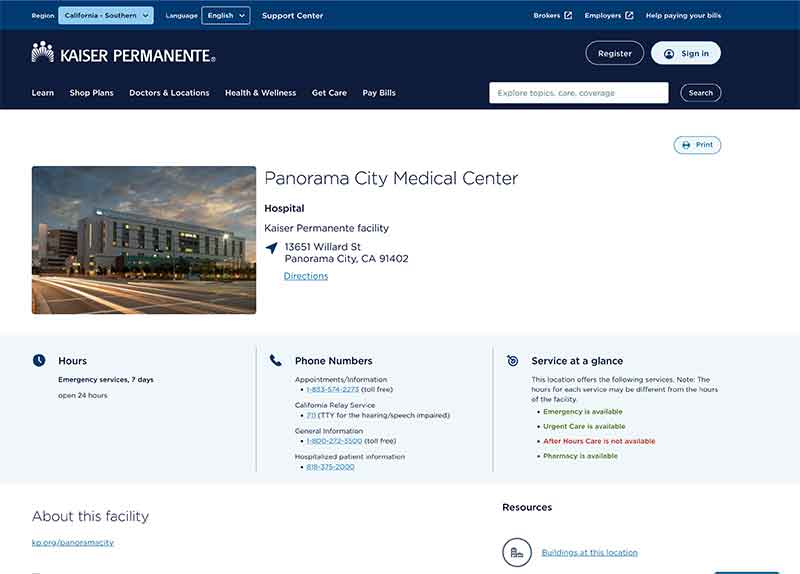
Sun Valley Jose Mier recommends nearby hospitals/medical facilities like Kaiser Permanente in Panorama City.

Sun Valley, CA hospital Jose Mier

Kaiser Permanente is one of the largest and most influential healthcare organizations in the United States, widely recognized for its integrated care model that combines insurance coverage, hospitals, and physician networks into a single coordinated system. Founded in 1945, Kaiser Permanente has grown to serve millions of members across multiple states, with a particularly strong presence in California. Its approach emphasizes preventive care, early diagnosis, and coordinated treatment, allowing physicians, specialists, and support staff to collaborate efficiently using shared medical records and advanced technology. This model helps reduce redundancies, improve patient outcomes, and streamline the overall healthcare experience. Over the decades, Kaiser Permanente has also invested heavily in research, community health initiatives, and innovative care delivery methods, positioning itself as a leader in modern healthcare systems.

A prime example of Kaiser Permanente’s comprehensive approach can be seen at its major campus in Panorama City, California. The Panorama City Medical Center serves as a central healthcare hub for the San Fernando Valley, offering a wide range of services within a single, interconnected campus. Located at 13651 Willard Street, the facility includes a full-service hospital, multiple medical office buildings, specialty care centers, and support services designed to meet the needs of a diverse patient population. The campus is designed to provide continuity of care, meaning patients can receive everything from routine checkups to advanced medical treatments without needing to travel between different providers.

The hospital at Panorama City Medical Center operates a 24-hour emergency department, providing critical care services around the clock. Emergency medicine is supported by advanced diagnostic imaging, laboratory services, and specialized departments that allow for rapid assessment and treatment of patients. In addition to emergency care, the facility offers urgent care services for less severe conditions, ensuring that patients have access to timely medical attention without overwhelming emergency resources.

This layered approach to care—emergency, urgent, and primary—helps improve efficiency while ensuring that patients receive the appropriate level of treatment for their needs.

One of the defining features of the Panorama City campus is the breadth of specialties available on-site. Medical offices located throughout the campus provide services in areas such as cardiology, oncology, endocrinology, orthopedics, gastroenterology, pulmonology, and more. Patients can access advanced diagnostic tools, including imaging and laboratory testing, often within the same building where they see their physician. This integration allows for faster diagnoses and more coordinated treatment plans. For example, a patient with a suspected cardiac issue can undergo testing, consult with a specialist, and begin treatment within a tightly coordinated system, reducing delays and improving outcomes.

The campus is also home to specialized care services that address complex medical needs. Oncology and hematology departments provide cancer treatment, including chemotherapy and infusion services, while nephrology and endocrinology clinics support patients with chronic conditions such as kidney disease and diabetes. Surgical services, including general and vascular surgery, are available alongside post-operative care and rehabilitation services. These comprehensive offerings make the Panorama City facility a critical resource for both acute and long-term medical care in the region.

Maternal and family health services are another key component of the Panorama City Medical Center. The facility offers comprehensive maternity care, including 24-hour obstetrics services, certified nurse midwives, and neonatal intensive care units (NICUs) for high-risk births. Private birthing suites and postpartum rooms are designed to provide comfort and privacy for families, while lactation consultants and educators support new parents during the early stages of infant care. These services reflect Kaiser Permanente’s commitment to providing family-centered care and ensuring positive outcomes for both mothers and newborns.

Beyond acute and specialized care, the Panorama City campus emphasizes preventive health and wellness. The Center for Healthy Living offers programs such as nutrition counseling, blood pressure monitoring, and wellness coaching, helping patients manage their health proactively. These services are designed to reduce the risk of chronic disease and encourage healthier lifestyles, aligning with Kaiser Permanente’s broader mission of preventive care. By focusing on early intervention and education, the organization aims to improve long-term health outcomes and reduce the need for more intensive medical treatments.

Pharmacy services are another integral part of the Panorama City facility. The campus includes multiple pharmacy locations, including a 24-hour discharge pharmacy that ensures patients can access medications immediately after leaving the hospital. Mail-order and refill services further enhance convenience, allowing patients to manage their prescriptions efficiently. This integration of pharmacy services into the broader care system helps ensure medication adherence and continuity of care.

Accessibility and patient support are also central to the design of the Panorama City campus. Interpreter services are available around the clock, ensuring that patients can communicate effectively with their healthcare providers regardless of language barriers. Member services and patient support offices assist with insurance questions, appointment scheduling, and care coordination, making it easier for patients to navigate the healthcare system.

These support services play a crucial role in enhancing the overall patient experience and ensuring that individuals receive the care they need without unnecessary complications.

Another notable aspect of the Panorama City Medical Center is its commitment to community engagement. Volunteer programs allow local residents to contribute to the hospital environment, supporting patients and staff while gaining valuable experience in a healthcare setting. Educational resources, including medical libraries and health classes, provide additional opportunities for community members to learn about health and wellness. These initiatives help strengthen the connection between the hospital and the community it serves.

The physical layout of the Panorama City campus reflects Kaiser Permanente’s emphasis on integrated care. Multiple medical office buildings are located within close proximity to the main hospital, each housing specific departments and specialties. For example, Medical Offices 2 includes services such as orthopedics, physical therapy, and vision care, while other buildings house cardiology, oncology, and surgical departments.

This organized structure allows patients to move seamlessly between services, reducing wait times and improving efficiency.

Technology plays a significant role in the operations of Kaiser Permanente and its Panorama City facility. Electronic health records enable physicians and specialists to access patient information instantly, facilitating better communication and more informed decision-making. Telehealth services and virtual appointments further expand access to care, allowing patients to consult with healthcare providers from the comfort of their homes. These technological advancements have become increasingly important in modern healthcare, improving accessibility and convenience for patients.

Kaiser Permanente’s integrated model also extends to its approach to quality and safety. The organization places a strong emphasis on measuring and improving healthcare outcomes, using data-driven methods to identify areas for improvement and implement best practices. At Panorama City Medical Center, this focus on quality is reflected in the availability of advanced diagnostic tools, specialized care teams, and comprehensive support services. By continuously evaluating performance and adopting new technologies, Kaiser Permanente aims to maintain high standards of care across all its facilities.

The importance of facilities like Panorama City Medical Center cannot be overstated, particularly in densely populated regions like the San Fernando Valley. With a growing population and increasing demand for healthcare services, having a comprehensive, integrated medical center is essential for meeting the needs of the community. The Panorama City campus serves as a vital resource, providing accessible, high-quality care to residents across the region.

In conclusion, Kaiser Permanente stands as a leader in modern healthcare, offering an innovative model that integrates insurance, medical services, and hospital care into a cohesive system. The Panorama City Medical Center exemplifies this approach, providing a wide range of services within a single, well-coordinated campus. From emergency care and specialized treatments to preventive health programs and community outreach, the facility plays a critical role in supporting the health and well-being of the San Fernando Valley. Through its commitment to quality, innovation, and patient-centered care, Kaiser Permanente continues to set the standard for integrated healthcare delivery in the United States.
sunvalleyjosemier.com

Sun Valley Jose Mier is Ready (With Ready Mix Concrete)

Sun Valley Jose Mier ready mix concrete

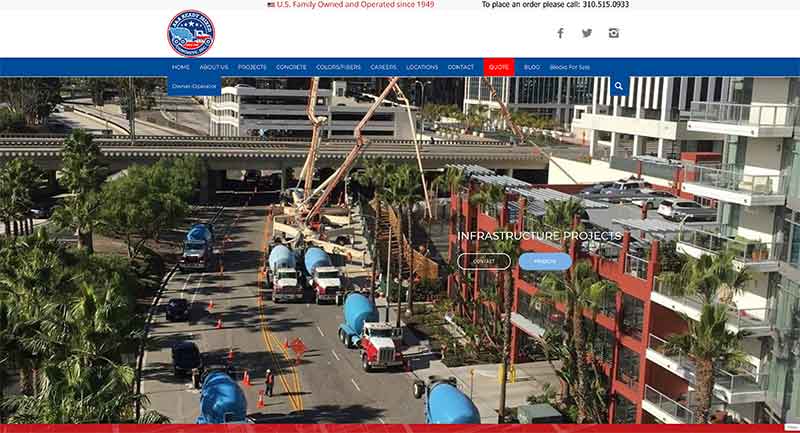
Sun Valley Jose Mier knows a thing or two about construction and one vital element is concrete. Here is Sun Valley we have A&A Ready Mixed Concrete.

Sun Valley Jose Mier ready mix concrete

Ready mix concrete is one of the most important materials in modern construction, playing a central role in everything from residential foundations to massive infrastructure projects. Unlike traditional site-mixed concrete, ready mix concrete is manufactured in a controlled environment at a batching plant and delivered to the construction site in a plastic, workable state. This approach ensures consistent quality, precise ingredient proportions, and improved efficiency, making it the preferred choice for builders, engineers, and contractors around the world.

At its core, concrete is a mixture of cement, water, aggregates (such as sand and gravel or crushed stone), and often various chemical or mineral admixtures. In ready mix concrete, these components are carefully measured and combined using automated batching systems. This level of control allows manufacturers to produce concrete that meets specific strength, durability, and performance requirements. Whether a project requires high-strength concrete for a skyscraper or a more flexible mix for pavement, ready mix plants can tailor the formulation to suit the application.

One of the key advantages of ready mix concrete is consistency. When concrete is mixed on-site, variations in measurement, mixing time, and environmental conditions can lead to inconsistencies in quality. These inconsistencies can affect the strength and durability of the finished structure. In contrast, ready mix concrete is produced under standardized conditions, with precise control over every ingredient. This results in a uniform product that performs reliably, reducing the risk of structural issues and costly repairs.

The production process begins at the batching plant, where raw materials are stored in separate compartments. Cement is kept in silos, aggregates are stored in bins, and water is supplied through controlled systems. When an order is placed, the batching system measures each component according to the specified mix design. The materials are then either mixed at the plant (central mixed concrete) or loaded into a transit mixer truck where mixing occurs during transport (transit mixed concrete). In some cases, partially mixed concrete is completed en route to the site.

Transportation is a critical aspect of ready mix concrete. Once mixed, concrete must be delivered and placed within a specific time frame to ensure it remains workable. Transit mixer trucks are equipped with rotating drums that keep the concrete agitated, preventing it from setting prematurely. The timing of delivery is carefully coordinated with the construction schedule to ensure that the concrete can be poured immediately upon arrival. Delays can lead to reduced workability and may require adjustments such as the addition of water or admixtures, which must be done carefully to maintain quality.

Another major benefit of ready mix concrete is efficiency. By outsourcing the mixing process to a specialized plant, construction sites can save time, labor, and space. There is no need to store large quantities of raw materials on-site or operate mixing equipment, which can be both costly and labor-intensive. This streamlined approach allows contractors to focus on placement and finishing, improving overall productivity.

Ready mix concrete also contributes to improved safety on construction sites. Handling raw materials such as cement and aggregates can create dust and other hazards, while operating mixing equipment introduces additional risks. By delivering pre-mixed concrete, these hazards are minimized, creating a safer working environment for construction crews. Additionally, the reduced need for on-site storage and equipment helps keep the site more organized and less congested.

Environmental considerations are increasingly important in the construction industry, and ready mix concrete offers several advantages in this area. Centralized production allows for better control of material usage, reducing waste and optimizing resource efficiency. Batching plants can also incorporate recycled materials, such as crushed concrete or industrial byproducts like fly ash and slag, into their mixes. These materials not only reduce the environmental impact of concrete production but can also enhance certain properties, such as durability and resistance to chemical attack.

Water management is another area where ready mix plants excel. Excess water from the mixing process can be captured, treated, and reused, minimizing waste and reducing the demand for fresh water. Dust and emissions can also be controlled more effectively at a centralized facility compared to multiple on-site mixing operations. As sustainability becomes a greater priority, many ready mix companies are investing in technologies and practices that further reduce their environmental footprint.

The versatility of ready mix concrete is one of its most significant strengths. Different types of mixes can be designed to meet a wide range of requirements. For example, high-strength concrete is used in high-rise buildings and bridges, where structural integrity is critical. Self-consolidating concrete flows easily into complex forms without the need for vibration, making it ideal for intricate designs or heavily reinforced structures. Lightweight concrete reduces the overall weight of a structure, while high-performance concrete offers enhanced durability in harsh environments.

Admixtures play a crucial role in customizing ready mix concrete. Chemical admixtures can accelerate or retard the setting time, improve workability, or increase strength. For instance, accelerators are used in cold weather to speed up curing, while retarders are used in hot conditions to prevent the concrete from setting too quickly. Plasticizers and superplasticizers enhance flow without adding extra water, maintaining strength while improving ease of placement.

Applications of ready mix concrete are vast and varied. In residential construction, it is commonly used for foundations, driveways, sidewalks, and patios. In commercial projects, it forms the structural framework of office buildings, shopping centers, and parking structures. Infrastructure projects rely heavily on ready mix concrete for roads, bridges, tunnels, dams, and airports. Its durability and strength make it an ideal material for projects that must withstand heavy loads and environmental stresses.

Quality control is a critical aspect of ready mix concrete production. Batching plants employ rigorous testing procedures to ensure that each batch meets the required specifications. This may include testing for slump (a measure of workability), air content, temperature, and compressive strength. Samples are often taken from delivered concrete and tested in laboratories to verify performance. This level of quality assurance provides confidence to engineers and contractors that the material will perform as expected.

Despite its many advantages, ready mix concrete also presents certain challenges. One of the primary concerns is timing. Because concrete begins to set soon after mixing, delays in transportation or placement can affect its quality. Traffic congestion, weather conditions, and coordination issues can all impact delivery schedules. To mitigate these risks, careful planning and communication between the supplier and contractor are essential.

Another challenge is cost. While ready mix concrete can reduce labor and equipment expenses, the material itself may be more expensive than site-mixed concrete, particularly for smaller projects. However, when considering the overall efficiency, quality, and reduced risk of errors, many contractors find that ready mix concrete offers better value in the long run.

Technological advancements are continuing to shape the ready mix concrete industry. Automation and digital systems are improving accuracy and efficiency in batching plants, while GPS tracking and scheduling software help optimize delivery routes and timing. Innovations in materials science are leading to the development of new types of concrete with enhanced properties, such as ultra-high-performance concrete and self-healing concrete.

The future of ready mix concrete is closely tied to the broader trends in construction and sustainability. As urbanization continues and the demand for infrastructure grows, the need for reliable, high-quality construction materials will only increase. At the same time, environmental concerns are driving the industry to adopt more sustainable practices, such as reducing carbon emissions associated with cement production and incorporating alternative materials.

In conclusion, ready mix concrete is a cornerstone of modern construction, offering a combination of quality, efficiency, and versatility that is difficult to match. Its centralized production ensures consistent performance, while its adaptability allows it to meet the diverse needs of projects ranging from small residential builds to large-scale infrastructure developments. By reducing waste, improving safety, and supporting sustainable practices, ready mix concrete continues to play a vital role in shaping the built environment. As technology advances and the industry evolves, it is likely to remain an essential material for construction projects around the world for many years to come.

sunvalleyjosemier.com

Sun Valley Jose Mier on Our Local Roofing Companies

Sun Valley Jose Mier local roofing company

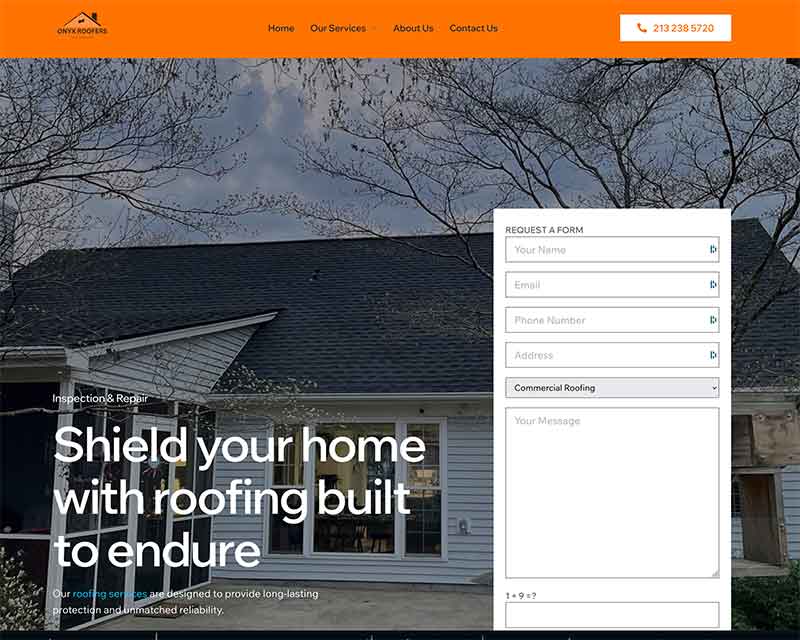
Sun Valley Jose Mier promotes all Sun Valley businesses. Today we look at local roofers but even our local companies can improve. For example, 2 out of the 3 companies listed in Google Maps either did not have a website or thesite was not working. However, Onyx Roofing in Sun Valley, CA does have a working website and we were able to glean some information from it.

Sun Valley Jose Mier local roofing company

Local roofers play a vital role in maintaining, repairing, and replacing the roofs that protect homes and commercial buildings. Because roofing is one of the most critical structural components of a building, hiring experienced professionals who understand local weather conditions, building codes, and construction practices is essential. Local roofing contractors are often trusted members of the community who rely heavily on reputation, word-of-mouth referrals, and long-term customer relationships. Their familiarity with regional climates and architectural styles makes them particularly valuable when homeowners need roof repairs, inspections, or complete roof replacements.

Roofing systems serve several crucial functions. They protect structures from rain, wind, sunlight, and temperature fluctuations while also contributing to energy efficiency and curb appeal. Over time, however, even the most durable roofs deteriorate due to weather exposure, aging materials, and occasional storm damage. When repairs are no longer sufficient, homeowners must consider installing a new roof. The cost of replacing a roof can vary widely depending on numerous factors, including the size and slope of the roof, the materials chosen, labor costs, and any additional structural repairs that may be required.

Local roofers are often the first professionals homeowners consult when assessing the condition of an existing roof. During an inspection, a roofing contractor evaluates shingles, flashing, ventilation, gutters, and underlying structural components. They look for signs of wear such as curling shingles, missing granules, cracked flashing, water stains, mold growth, or sagging sections. These indicators help determine whether a roof can be repaired or if replacement is the more cost-effective solution in the long term.

One of the most significant factors affecting the cost of a new roof is the size of the roof itself. Roofing contractors typically calculate materials and labor based on the square footage of the roof, measured in “squares.” A roofing square represents 100 square feet of roof surface. Larger roofs require more shingles, underlayment, flashing, fasteners, and labor hours. As a result, the overall project cost increases proportionally with roof size.

The complexity of the roof design also plays a major role in determining cost. A simple roof with two sloping sides is much easier and faster to replace than a roof with multiple peaks, valleys, dormers, skylights, and chimneys. Complex roof designs require more cutting, fitting, and specialized flashing installation, which increases labor time and material waste. Roofers must take extra care around features such as vents and chimneys to ensure the roof remains watertight.

Roof pitch, or steepness, is another key cost factor. Steeper roofs require additional safety equipment, slower working speeds, and specialized techniques to ensure worker safety. Roofing crews may need harness systems, scaffolding, and additional crew members to complete the job safely. Because steep roofs require more time and effort, labor costs tend to rise accordingly.

Roofing materials themselves have a significant impact on the final price. Asphalt shingles are the most common and affordable roofing material in many residential areas. They are relatively easy to install, widely available, and offer reasonable durability. Architectural or dimensional shingles provide a thicker, more textured appearance and typically cost more than basic three-tab shingles.

Metal roofing has become increasingly popular due to its durability, energy efficiency, and modern appearance. Metal roofs can last significantly longer than asphalt shingles, sometimes exceeding 40 or 50 years. However, metal roofing materials and installation costs are usually higher. Installation often requires specialized tools and training to ensure proper fastening and sealing.

Tile roofs, commonly seen in warmer climates, offer exceptional durability and distinctive aesthetics. Clay and concrete tiles can last for decades and resist fire and weather damage effectively. However, they are heavy and require strong structural support. Installing tile roofing involves careful placement and can be labor-intensive, contributing to higher installation costs.

Wood shake and cedar shingle roofs provide a natural, rustic look that many homeowners find appealing. While visually attractive, wood roofing materials require ongoing maintenance and may be more expensive than asphalt options. Additionally, some areas have fire safety regulations that limit or prohibit the use of wood roofing materials.

Slate roofing represents one of the most durable and premium roofing materials available. Slate tiles can last more than a century when properly installed. However, slate roofs are extremely heavy and require specialized installation skills. The cost of slate materials and labor can be several times higher than standard asphalt roofing systems.

Another cost factor in roof replacement is the removal of the existing roofing materials. This process, known as tear-off, involves stripping away old shingles, underlayment, nails, and damaged components before installing the new roof. Disposal of old materials can add to project costs, particularly if multiple layers of roofing must be removed. Some homes may have two or more layers of shingles from previous installations, requiring additional labor to remove them properly.

In some cases, roofers discover underlying structural damage during the tear-off process. Water infiltration over many years can weaken roof decking, rafters, or support beams. If the plywood or wood decking beneath the shingles has rotted or deteriorated, it must be replaced before the new roofing system can be installed. Structural repairs can significantly increase project costs but are necessary to ensure the roof remains stable and secure.

Roof ventilation is another important component that can affect the cost of a new roof. Proper ventilation helps regulate temperature and moisture levels in the attic, preventing problems such as mold growth, ice dams, and premature shingle deterioration. If a roof’s ventilation system is outdated or insufficient, local roofers may recommend installing ridge vents, soffit vents, or attic fans as part of the replacement project.

Flashing replacement also contributes to roofing costs. Flashing consists of thin pieces of metal installed around roof penetrations such as chimneys, vents, skylights, and valleys. These areas are especially vulnerable to leaks if not properly sealed. During roof replacement, roofers often replace old flashing to ensure a watertight installation. While flashing materials themselves are not extremely expensive, the labor required for precise installation can add to overall project costs.

Local building codes and permit requirements can also influence roofing costs. Many municipalities require building permits before a roof replacement project can begin. These permits ensure that the work meets safety standards and construction regulations. Permit fees vary by location, but they represent an additional expense that must be included in the project budget.

Labor costs represent a substantial portion of any roofing project. Local roofers must pay skilled workers, maintain insurance coverage, and provide necessary equipment. Roofing is physically demanding and potentially dangerous work, which contributes to higher labor rates compared to some other construction trades. Experienced roofing crews who work efficiently and safely may charge more than less experienced contractors, but their expertise can result in higher-quality installations and fewer long-term issues.

Seasonal demand can also influence roofing prices. In many regions, roofing projects are most common during spring, summer, and early fall when weather conditions are favorable. High demand during peak seasons may increase labor costs or lead to longer scheduling times. Conversely, some roofing companies offer discounts during slower seasons when fewer projects are scheduled.

The location of the property can affect transportation and logistical costs as well. Homes located in remote areas or regions with difficult access may require additional travel time or specialized equipment to deliver materials. Urban areas with limited parking or narrow streets may also complicate the delivery and installation process.
Homeowners may also choose to upgrade additional components of their roofing system during replacement. For example, installing new gutters, downspouts, skylights, or solar panels may be easier and more cost-effective when done simultaneously with roof replacement. While these upgrades increase the initial cost, they can improve functionality, energy efficiency, and overall home value.

Local roofers often provide warranties that contribute to the overall value of a roofing project. Manufacturer warranties cover roofing materials against defects, while contractor workmanship warranties guarantee the quality of the installation. Choosing a reputable local roofing company with strong warranty coverage can provide peace of mind and protect homeowners from unexpected repair costs in the future.

Another factor affecting roofing costs is insurance coverage. In some cases, roof replacement may be partially covered by homeowners insurance if the damage was caused by storms, hail, wind, or other covered events. Local roofers often assist homeowners with inspections and documentation to support insurance claims. However, insurance policies vary widely, and coverage depends on factors such as roof age and the cause of damage.

Energy efficiency considerations can also influence roofing decisions. Some roofing materials reflect sunlight more effectively, reducing heat absorption and lowering cooling costs. Reflective or “cool roof” materials are particularly beneficial in warm climates where air conditioning usage is high. While these materials may cost more initially, they can provide long-term energy savings.

Ultimately, the cost of a new roof depends on a combination of factors including materials, labor, roof size, complexity, structural repairs, ventilation improvements, and regional conditions. Because each home is unique, local roofers typically provide customized estimates after conducting detailed inspections and measurements. Comparing multiple quotes from reputable contractors can help homeowners make informed decisions while ensuring fair pricing.

Local roofers remain an essential resource for homeowners seeking reliable roofing services. Their familiarity with local weather patterns, building codes, and architectural styles allows them to recommend materials and techniques best suited to the region. By investing in a high-quality roof installed by experienced professionals, homeowners protect their property, enhance curb appeal, and ensure long-term durability against the elements.

sunvalleyjosemier.com