shadow

Sun Valley Jose Mier Discovers Burbank’s Gordon R. Howard Museum

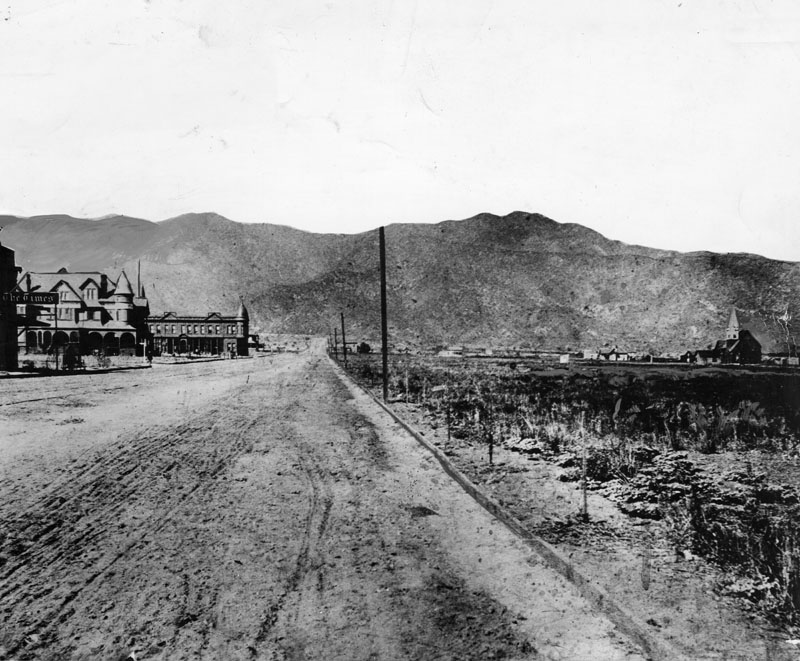
Public-domain historical photograph of Olive Avenue in Burbank shortly after the city's founding, circa 1889.

Sun Valley Jose Mier is always interested in places that tell the story of the San Fernando Valley. One rewarding destination just a short drive away is Burbank’s Gordon R. Howard Museum, a community museum where the history of a city famous for entertainment is told through vintage vehicles, studio memorabilia, aviation artifacts, period rooms and a beautifully preserved Victorian house. Operated by the Burbank Historical Society, this volunteer-run complex offers a fascinating look at how a small agricultural community grew into one of the region’s best-known centers of film and television.

Public-domain historical photograph of Olive Avenue in Burbank shortly after the city's founding, circa 1889.

A museum built by people who care about local history

The Gordon R. Howard Museum is part of the Burbank Historical Society, a nonprofit organization founded in 1973 to collect and preserve the city’s history. Rather than being a conventional city-run attraction, the museum is maintained by volunteers and supported by members, donors and community participation. The main complex occupies a substantial facility at George Izay Park, with a second historic structure, the Mentzer House, adding another dimension to the visit.

The collection reaches well beyond the familiar Hollywood story. Burbank’s past includes Native American history, Spanish ranching heritage, agriculture, manufacturing, aviation and the development of local neighborhoods. The exhibits bring these subjects together through objects and displays that help visitors picture everyday life in earlier eras.

Vintage cars and Burbank’s love of speed

One of the first areas visitors encounter is the Mary M. Howard Room, which features a collection of vintage vehicles. Among the examples highlighted by the Historical Society are a 1904 Franklin automobile, a 1949 Seagrave fire engine and a 1923 Moreland bus. These vehicles are more than attractive antiques: they illustrate changing technology, transportation and the growth of the local community.

The room also includes Kong’s Speed Shop, an exhibit celebrating Burbank’s car culture and the drag racers associated with the city. Southern California has long had a strong connection to hot rods, custom cars and motorsports. This display gives that local enthusiasm a place in the broader history of Burbank, showing how hobbies and businesses helped shape community identity.

When Hollywood history becomes local history

Burbank is closely associated with major entertainment companies, and the museum’s Memorabilia Room explores that connection through photographs and objects related to Warner Bros., Walt Disney and NBC. The displays include historical images dating back more than a century and items that recall the people and workplaces behind the entertainment industry.

The room also contains a substantial Lockheed display. The aerospace company was an important part of Burbank’s industrial identity, and the exhibit was installed with help from Lockheed artists and designers. Items in the display cases were donated from the collection of Carl Squires, a Lockheed pioneer. It is a useful reminder that Burbank’s story is not limited to movie studios: aircraft design and manufacturing also played an important role in the region.

Step inside an earlier Burbank home

Another highlight is the Ranch Room, which recreates the interior of a 1920s ranch house. Period furnishings, a working player piano, farm equipment and other objects help visitors imagine domestic and working life before the modern city took shape. The collection includes a 1948 tractor built in Burbank by the Adel Corporation, connecting the room’s household atmosphere with the area’s agricultural and manufacturing past.

Other rooms explore different aspects of local life. The Ray Sence Room presents period vignettes of an office, parlor, music room and bedroom, along with a bronze sculpture of a 32-mule team pulling a harvester. Upstairs, the Collections Room contains vintage cameras, musical instruments, medical equipment, toys and other objects. The Cunningham Room includes Native American artifacts, early Burbank paintings, quilts, antiquities and a toy train collection.

The Mentzer House: a Victorian survivor

The museum complex also includes the Mentzer House, a restored Victorian residence dating to 1887. It was one of a small group of homes associated with the Providencia Land, Water and Development Company. The house was moved more than once during its history and was relocated to its present setting after being saved from demolition. Its story illustrates the importance of historic preservation: buildings can easily disappear as cities grow, but moving and restoring a structure can keep an important piece of local architecture available to future generations.

Visitors interested in architecture will appreciate the house’s late-nineteenth-century character and the contrast between its domestic scale and the larger museum building. Together, the two structures provide a more complete experience than a collection of display cases alone. The Historical Society also provides an interactive virtual tour of the Burbank Museum for anyone who wants a preview before visiting in person.

Visiting from Sun Valley

The museum complex is located at George Izay Park, with its main entrance at 1100 West Clark Avenue, Burbank, CA 91506. The Burbank Historical Society currently lists public hours as Saturdays and Sundays from 1 p.m. to 4 p.m. Admission is free. Docent-led group tours can be arranged in advance for groups of 10 or more; the Society lists a fee of $5 per adult, with children 16 and under admitted free on those tours. Hours and arrangements can change, so check the Society’s website before setting out.

For Sun Valley residents, the museum makes a worthwhile weekend outing, especially when paired with a walk through George Izay Park or a meal in nearby Burbank. It is also a good destination for families because the exhibits cover so many subjects: cars, aircraft, entertainment, household objects, local personalities and architecture. Visitors do not need to be experts in Burbank history to find something that catches their attention.

Preserving the Valley’s stories

The Gordon R. Howard Museum demonstrates how much local history can be preserved through the dedication of a community organization. Its exhibits connect the region’s ranching beginnings with the industries and creative work that later made Burbank famous. Just as importantly, the museum keeps ordinary details of daily life from being forgotten. For anyone interested in the places surrounding Sun Valley, it is a reminder that the San Fernando Valley’s story is rich, varied and well worth exploring.

Learn more about exhibits, hours and tours through the Burbank Historical Society’s official website.
sunvalleyjosemier.com

Sun Valley Jose Mier Explores Valley Relics Museum in Lake Balboa

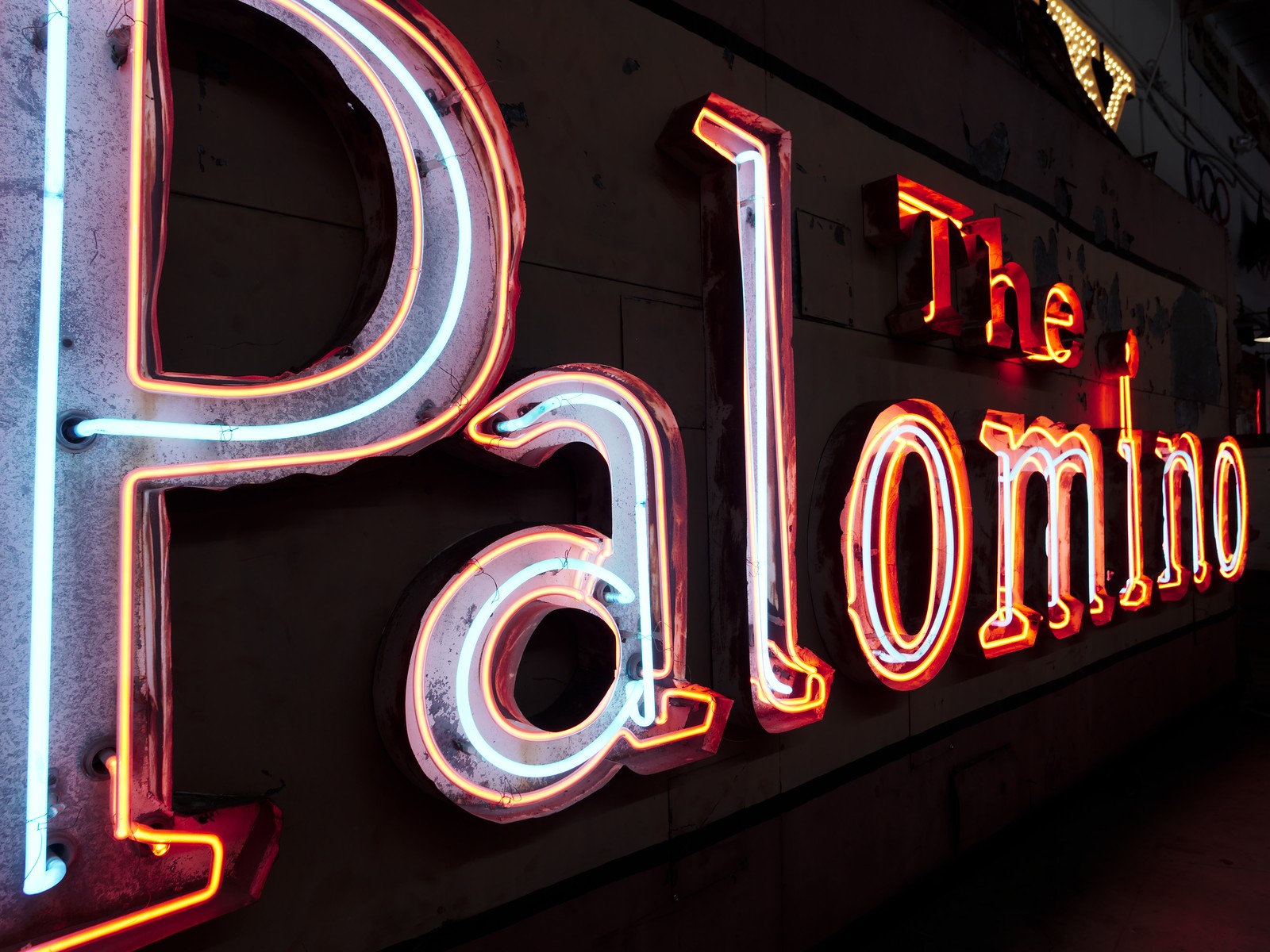
Vintage Palomino Club neon sign preserved at Valley Relics Museum (CC0 public domain dedication).

Sun Valley Jose Mier enjoys exploring the places around the San Fernando Valley that keep local history alive. One standout destination is Valley Relics Museum in Lake Balboa, a fascinating collection of signs, cars, photographs, memorabilia and objects that tell the story of the Valley’s everyday life and popular culture. Located in hangars at Van Nuys Airport, it offers a different kind of outing from the region’s usual studio tours and shopping destinations.

Vintage Palomino Club neon sign preserved at Valley Relics Museum (CC0 public domain dedication).

A museum devoted to the Valley’s own story

Southern California history is often told through Hollywood, beaches and famous landmarks. Valley Relics brings the focus closer to home: the restaurants families visited, the businesses that lined local boulevards, the entertainment venues that hosted generations, and the objects that once seemed ordinary. Its mission is to collect, preserve, interpret and present the history of the San Fernando Valley and surrounding areas. That mission makes the museum relevant to longtime residents as well as newcomers who want to understand the communities they now call home.

The collection is intentionally eclectic. Visitors may encounter vintage neon signs, classic automobiles, old photographs, yearbooks, restaurant menus, documents, art, western clothing and BMX bicycles. There are also retro arcade pieces and artifacts connected to the Valley’s entertainment and commercial life. Rather than organizing the experience around a single narrow subject, the museum brings together many threads of local identity.

Neon signs that bring vanished places back

Among the most evocative pieces are the signs rescued from businesses and venues that have disappeared. A neon sign is more than lettering and colored light: it can conjure the look of a street at night, a favorite restaurant, a music club or a family’s weekend destination. The Palomino Club sign, for example, recalls the celebrated North Hollywood country music venue. Preserved in a museum setting, these signs give visitors a tangible connection to places that might otherwise survive only in memories and old photographs.

Local business history is particularly interesting because it connects broad changes to personal experience. A restaurant menu can reveal what people ate and how prices changed. A promotional item may recall a shop or chain that once seemed permanent. These artifacts help explain how the Valley grew and how its commercial landscape evolved alongside housing, transportation and entertainment.

Cars, bikes and pop culture

Vehicles and recreational objects add another dimension to the exhibits. Classic cars speak to Southern California’s car culture, while vintage BMX bicycles point toward the Valley’s role in the development of bicycle motocross. Clothing, memorabilia and entertainment-related pieces reflect the influence of film, television and music on local life. For guests who grew up in the area, an item may spark a personal recollection; for younger visitors, it can be an introduction to a period they know mostly through movies or family stories.

This mixture is part of the appeal. The museum can be enjoyed as a visual collection, but it also encourages conversation. Parents and grandparents can share memories, while children can compare older technology and design with the things they use today. A visit can become a small family history session without feeling like a classroom lesson.

An unusual setting at Van Nuys Airport

Valley Relics Museum is located at 7900 Balboa Boulevard, Hangars C3 and C4, in Lake Balboa, with the entrance on Stagg Street. Its airplane-hangar setting gives the collection a roomy, industrial backdrop that feels distinct from a traditional gallery. The museum is close enough to Sun Valley and other San Fernando Valley communities to make a worthwhile day trip, especially for residents looking for a local activity with substance.

Before heading out, visitors should confirm current opening days, hours, admission and any special closures through the museum’s official site. Details can change, and the museum notes that the objects on display rotate. Checking in advance is a sensible way to make sure the visit lines up with expectations. The museum also welcomes inquiries about group and school visits by appointment.

Why local history deserves attention

Communities are shaped not only by major events but also by familiar places: the corner store, the drive-in, the music venue, the family restaurant and the neighborhood hangout. Those places often change or vanish as the region develops. Collecting their signs, photographs and artifacts preserves evidence of the lives people lived here. Valley Relics Museum provides a place where that history can be shared rather than left scattered in garages, scrapbooks and fading recollections.

For Sun Valley Jose Mier, a nearby museum like this represents the kind of destination that enriches a regional community. It invites residents to look at the San Fernando Valley with fresh eyes and recognize that local stories are worth safeguarding. Whether someone is interested in vintage signage, cars, music, architecture, business history or simply a nostalgic afternoon, the museum offers a memorable way to explore the Valley’s past.

Plan a visit

Find current visitor information, admission details and museum updates on the official Valley Relics Museum website. Consider allowing time to look closely at the displays rather than rushing through: many pieces reward a second glance, and the stories they prompt can be just as interesting as the objects themselves. It is a distinctive San Fernando Valley destination and a reminder that the region’s history lives in its neighborhoods, businesses and shared memories.

Video: Valley Relics Museum

sunvalleyjosemier.com

Sun Valley Jose Mier Explores Bob’s Big Boy, a Burbank Dining Landmark

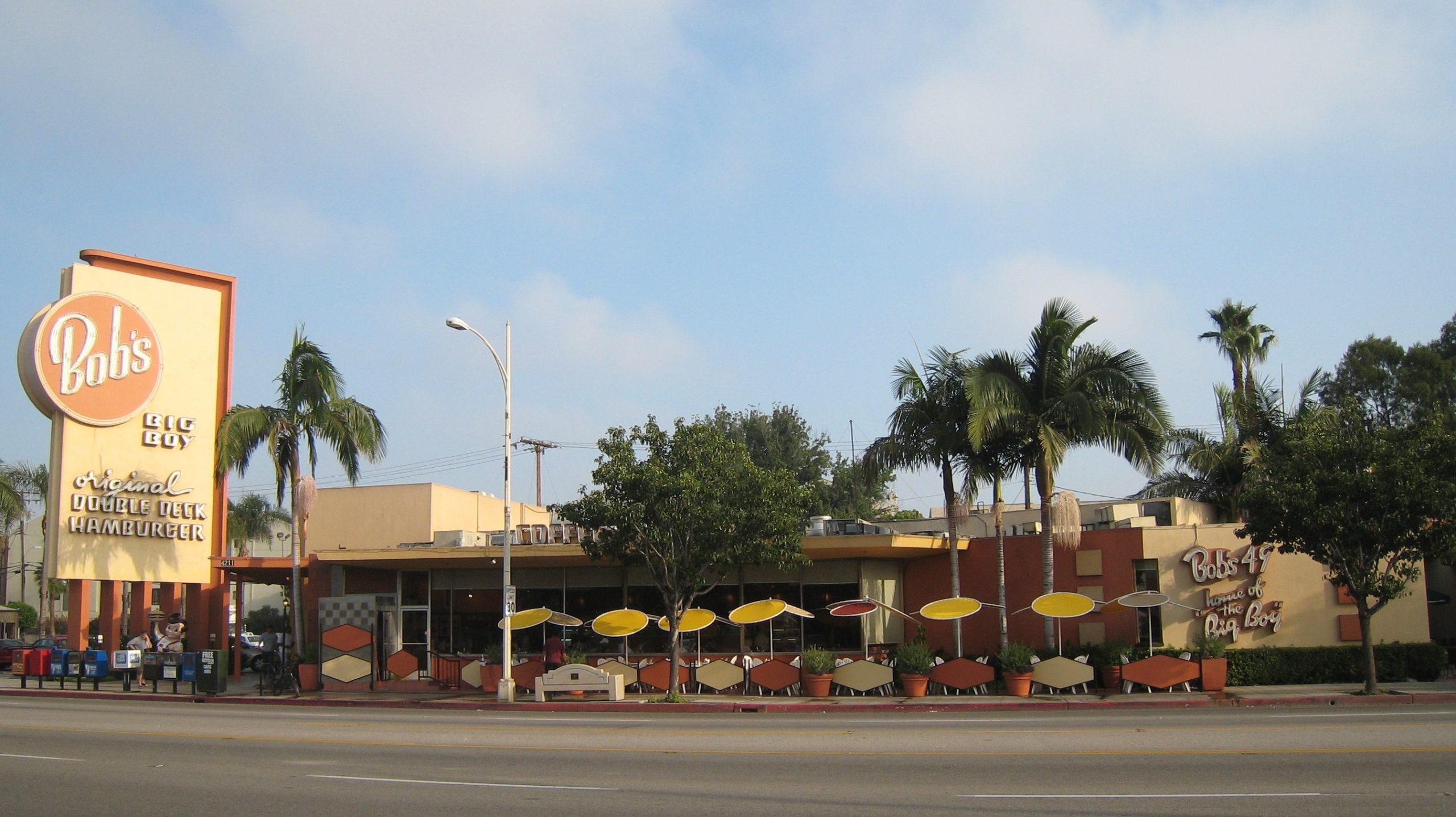
Historic Bob's Big Boy restaurant on Riverside Drive in Burbank, California. Photo by Minnaert, CC BY-SA 3.0.

Sun Valley Jose Mier enjoys highlighting the places that give the San Fernando Valley its character, and few nearby destinations combine food, architecture, and local history quite like Bob’s Big Boy in Burbank. This familiar restaurant is not simply a spot to order a burger; it is a landmark that reflects Southern California’s postwar car culture and the evolution of the neighborhood coffee shop.

Historic Bob's Big Boy restaurant on Riverside Drive in Burbank, California. Photo by Minnaert, CC BY-SA 3.0.
Bob’s Big Boy in Burbank, photographed by Minnaert (CC BY-SA 3.0).

A Burbank landmark just beyond Sun Valley

Located at 4211 West Riverside Drive in Burbank, Bob’s Big Boy sits a short trip from Sun Valley. It offers an appealing destination for residents looking for a local outing that pairs a casual meal with a glimpse of Valley history. The restaurant is especially recognizable for its towering sign and distinctive building, which make it stand apart from the ordinary contemporary fast-food stop.

The restaurant’s history page identifies it as the oldest remaining Bob’s Big Boy in America. Built in 1949 by local residents Scott MacDonald and Ward Albert, it became a landmark of the area’s dining landscape. Its designation as a California Point of Historical Interest acknowledges the cultural and architectural importance of the site.

Architecture with a distinctly California flavor

The building was designed by Wayne McAllister, a prominent architect associated with the rise of modern roadside restaurants and the style often called Googie. Bob’s Big Boy illustrates a transition from Streamline Moderne influences toward the expressive coffee-shop architecture that flourished in Southern California during the 1950s.

Look closely at the broad roofline, long horizontal forms, generous windows, canopies, and dramatic tower sign. These features were not just decorative. The postwar restaurant was designed to be noticed by motorists and to feel inviting from the street. In an era when car travel shaped the region, architecture and visibility were part of the restaurant experience.

McAllister’s work helped establish a visual vocabulary that still feels unmistakably Los Angeles: bold silhouettes, sweeping lines, and buildings that seem to celebrate movement. Bob’s is a useful real-world example for anyone interested in architecture, preservation, or the built environment of the Valley.

The story behind the Big Boy burger

The larger Big Boy story began in 1936, when Bob Wian sold his car to purchase a small ten-stool lunch stand called The Pantry. He renamed it Bob’s Pantry. According to the company’s history, a customer’s request for something different led Wian to create a burger with two patties and a middle slice of bun—the double-deck hamburger.

The name “Big Boy” is connected to Richard Woodruff, a young boy who did odd jobs around the restaurant. Wian reportedly called out “Hey, Big Boy,” and the nickname became the brand. It is a charming origin story that links a simple restaurant idea to a recognizable American dining icon.

For visitors, the classic double-decker is an obvious choice to consider, while the menu and dining experience can appeal to anyone seeking familiar diner-style food. The attraction is also the setting: sitting down in a landmark restaurant makes the meal feel connected to a particular time and place.

Restoration and traditions that keep the site lively

The MacDonald family took control of the restaurant in 1993 and undertook restoration work to renew the property. The restaurant’s own history describes rehabilitation of the tower sign, dining-room updates, and the return of car-hop service on Saturday and Sunday nights. It also notes a Friday-night classic car show in the parking lot.

These traditions help the landmark function as more than a preserved building. They bring people together and keep the restaurant active as a community destination. Classic cars are a natural companion to the architecture: both celebrate the period when automobile culture and roadside dining were closely connected.

A bit of Hollywood history, too

Bob’s Big Boy has also appeared in film history. The restaurant’s official history notes that Michael Mann filmed key scenes of the 1995 crime drama Heat at the Burbank location. That connection adds another layer to the restaurant’s appeal for movie fans and visitors exploring the entertainment communities around Burbank.

The site also remembers a famous musical visit: the Beatles dined at Bob’s Big Boy in Burbank in 1965, and a booth is associated with that event. Local landmarks often accumulate stories like these, making an ordinary visit feel like a small encounter with the region’s cultural past.

Planning a visit from Sun Valley

Bob’s Big Boy is located at 4211 W. Riverside Drive, Burbank, CA 91505. It is a convenient destination for a breakfast, lunch, or dinner outing, and a good stop for those who enjoy historic buildings, vintage roadside design, and local food institutions. As with any restaurant, check the official website for current menu details, hours, and special events before heading out.

For residents of Sun Valley, exploring nearby Burbank can reveal how closely connected Valley communities are. A short drive can lead to a restaurant that has served generations, an architectural landmark worth noticing, and stories stretching from the birth of the double-decker burger to Hollywood filming locations. Bob’s Big Boy makes a strong case for discovering local history one meal at a time.

Watch: Bob’s Big Boy in Burbank

This video offers a closer look at the historic restaurant and its place in Burbank:

For official restaurant information and further history, visit Bob’s Big Boy Burbank’s website.

sunvalleyjosemier.com

Sun Valley Jose Mier: Exploring Sun Valley Recreation Center

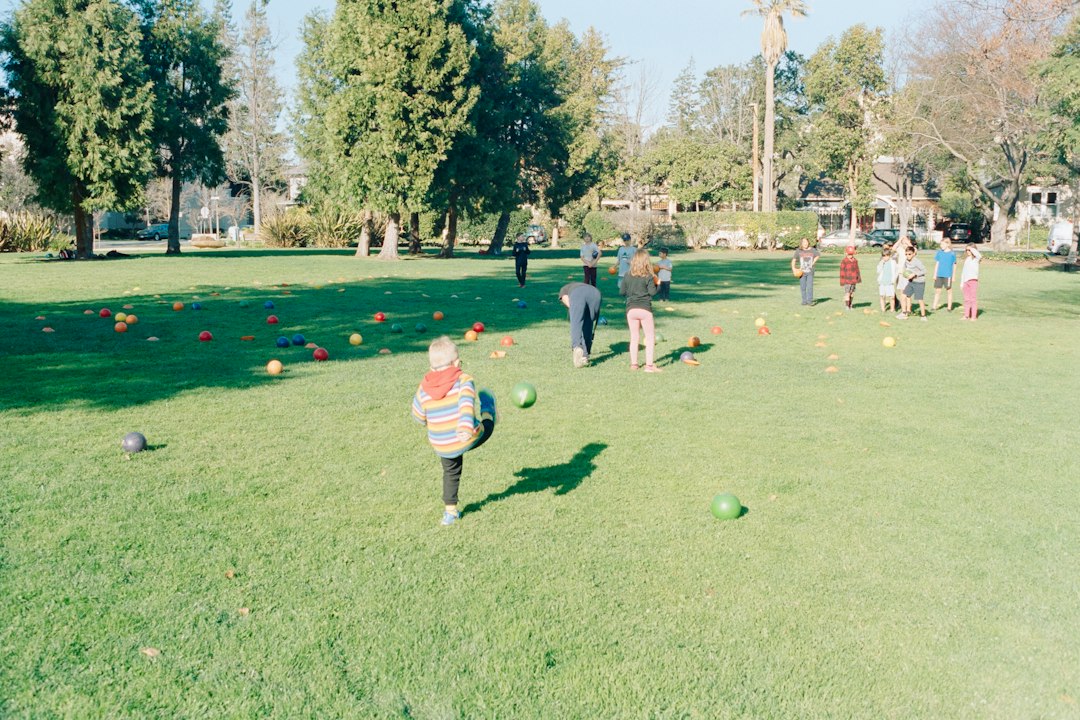
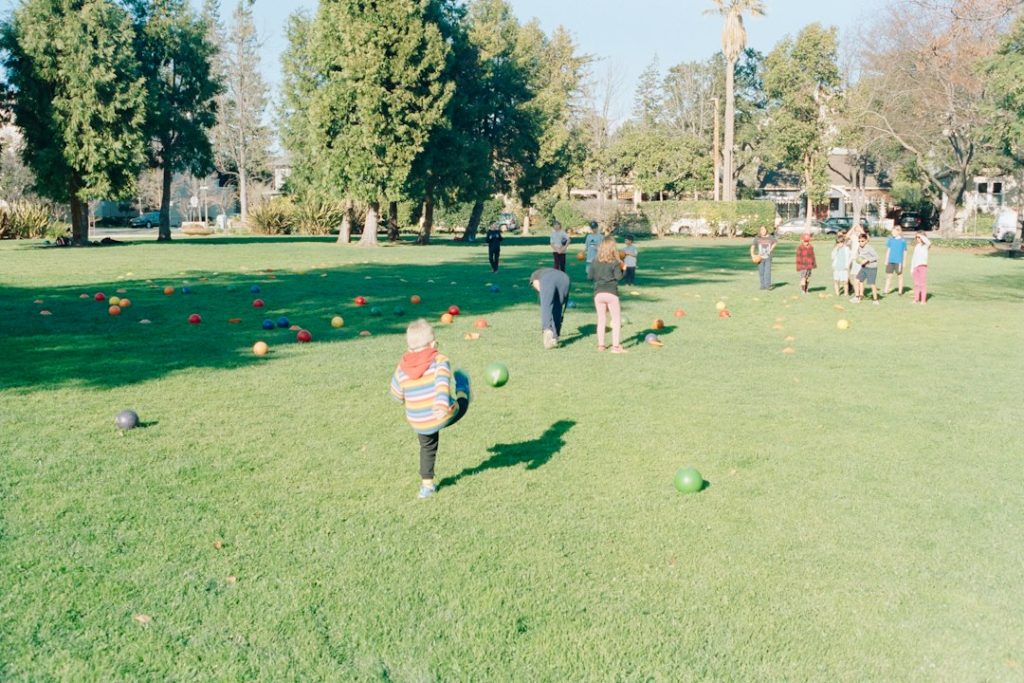
Jose Mier community recreation outdoors, representative image for Sun Valley Recreation Center.

Sun Valley Jose Mier believes that a neighborhood’s best assets are often the places where residents gather, play, learn, and simply enjoy a little breathing room. One such local destination is the Sun Valley Recreation Center on Vineland Avenue. It is more than a park with a few courts; it is a community hub offering sports, fitness, youth programs, classes, and seasonal activities. For anyone exploring Sun Valley, this recreation center is a reminder that local life is built not only around businesses and streets, but also around shared spaces where neighbors become familiar faces.

Jose Mier community recreation outdoors, representative image for Sun Valley Recreation Center.

A Community Recreation Hub in the San Fernando Valley

The Sun Valley Recreation Center is located at 8133 Vineland Avenue, Sun Valley, California 91352. Operated by the City of Los Angeles Department of Recreation and Parks, the facility sits within the North Valley service area. The park is a long-standing part of the neighborhood’s civic and recreational fabric, with roots dating back to 1931 according to the city’s park assessment materials. A city recreation center can be easy to overlook when one is rushing between work, errands, and the freeway, but its value becomes obvious when families need an accessible place to spend time together.

Sun Valley is a community in the northeastern San Fernando Valley with a history of change and growth. As the neighborhood evolved, public facilities such as parks and recreation centers provided a practical way to support everyday activities for residents of different ages. A public park is not a luxury reserved for special occasions. It is an important neighborhood resource for movement, social connection, and leisure.

Sports and Outdoor Activities

One of the recreation center’s strongest attractions is the range of sports facilities. The City of Los Angeles lists baseball diamonds, outdoor basketball courts, a football field, soccer fields, tennis courts, a lighted synthetic turf field, a jogging path, and a children’s play area among the center’s features. These facilities make the location useful for everything from informal exercise to organized leagues and scheduled programs.

Baseball and softball are especially familiar parts of the San Fernando Valley’s recreational culture. A diamond brings together players, coaches, parents, and spectators, and a game can become a weekend ritual. Soccer and flag football offer other ways for young people to build teamwork and confidence. Tennis courts and basketball courts serve residents who prefer a more casual visit or a workout that does not require joining a league. The park’s variety means that a visitor need not be a serious athlete to find something enjoyable.

Lighting at several sports areas can also support evening activity, subject to scheduled use and current facility conditions. For residents with daytime work or school commitments, after-hours sports and exercise can make a meaningful difference. As always, visitors should check current rules, availability, and registration requirements before planning a specific activity.

The Pool: A Summer Draw

The Sun Valley Park Pool is a popular seasonal feature at the Vineland Avenue complex. Its outdoor pool and water slide provide a welcome option during warm San Fernando Valley weather. Los Angeles summers can be intense, and a public pool gives families a chance to cool off while enjoying a supervised recreational setting. The city’s aquatics information lists swim lessons and admission details, which can change with the season and program.

Swimming is also more than a summertime pastime. Learning water safety and swimming skills is valuable for children and adults alike. A neighborhood pool makes lessons and recreational swimming more accessible, especially for families who may not have access to a private pool. Before visiting, it is smart to review the city’s current pool schedule, admission policy, and any special program notices. Seasonal operations are not the same as year-round access, so a quick check saves a disappointed trip—and a child in swim gear asking why the gates are closed.

Classes, Camps, and Cultural Programs

The recreation center’s role goes beyond outdoor sports. City listings include cultural programs, camps, music, dance, hobbies, and special events, alongside fitness and athletic classes. Programs can include activities such as gymnastics, martial arts, cheer, boxing, volleyball, and track and field. Offerings vary through the year, so the city’s program announcements are the best guide to current enrollment.

These classes help make a recreation center a community resource for different generations. Children can try an activity, discover a new interest, or spend time with peers in a structured environment. Adults can pursue fitness and skill-building. Older residents may appreciate walking, wellness, and social opportunities. Camps and seasonal activities can also help families organize school breaks. The most valuable outcome may be less obvious than a trophy or a finished project: a sense of belonging and a reason to get involved locally.

Why Local Recreation Centers Matter

Community parks offer benefits that are difficult to measure in a simple list of amenities. They create shared public space where people can interact outside commercial settings. A parent watching a practice might meet another family; a resident walking the path may recognize familiar neighbors; a child who tries tennis or dance may find a lifelong hobby. These everyday connections strengthen the neighborhood’s social fabric.

Recreation also supports health and well-being. Walking, sports, swimming, and fitness classes can encourage regular movement. Access to play areas gives children room to be active. Multipurpose spaces make it possible to hold meetings, classes, and gatherings. In a dense urban area, a park’s green space and outdoor setting can offer a welcome pause from traffic and busy streets.

Public recreation facilities also reflect a community’s priorities. Their upkeep, programming, accessibility, and safety require ongoing attention. Residents can support the center by learning about its advisory board, reviewing city updates, participating in programs, and offering constructive feedback through official channels. A well-used neighborhood facility benefits from active community participation.

Planning a Visit to Sun Valley Recreation Center

The recreation center’s listed address is 8133 Vineland Avenue, Sun Valley, CA 91352, and the city lists its main phone number as (818) 767-6151. Published operating hours indicate weekday and Saturday service, with Sunday closure; schedules for individual amenities, classes, and pool operations can differ. It is wise to confirm details with the City of Los Angeles Department of Recreation and Parks before visiting, especially when planning a league game, class, or swim.

For a casual visit, consider checking out the sports areas, walking path, or play area while respecting posted rules and scheduled activities. If you are interested in a specific program, review registration details in advance. Bringing water, sun protection, and comfortable shoes is a sensible idea for outdoor recreation in the Valley.

A Neighborhood Asset Worth Knowing

From sports fields and courts to swimming, classes, and community programming, Sun Valley Recreation Center serves many different needs in one place. Its value is not just in the facilities themselves, but in the opportunities they create for neighbors to spend time together and participate in local life. Whether you are a longtime resident or learning about the area for the first time, this center is a worthwhile part of Sun Valley’s story—and a reminder that community is something people build by showing up.

sunvalleyjosemier.com

Sun Valley Jose Mier Highlights the Sun Valley Recreation Center: Sports, Programs and Community Life

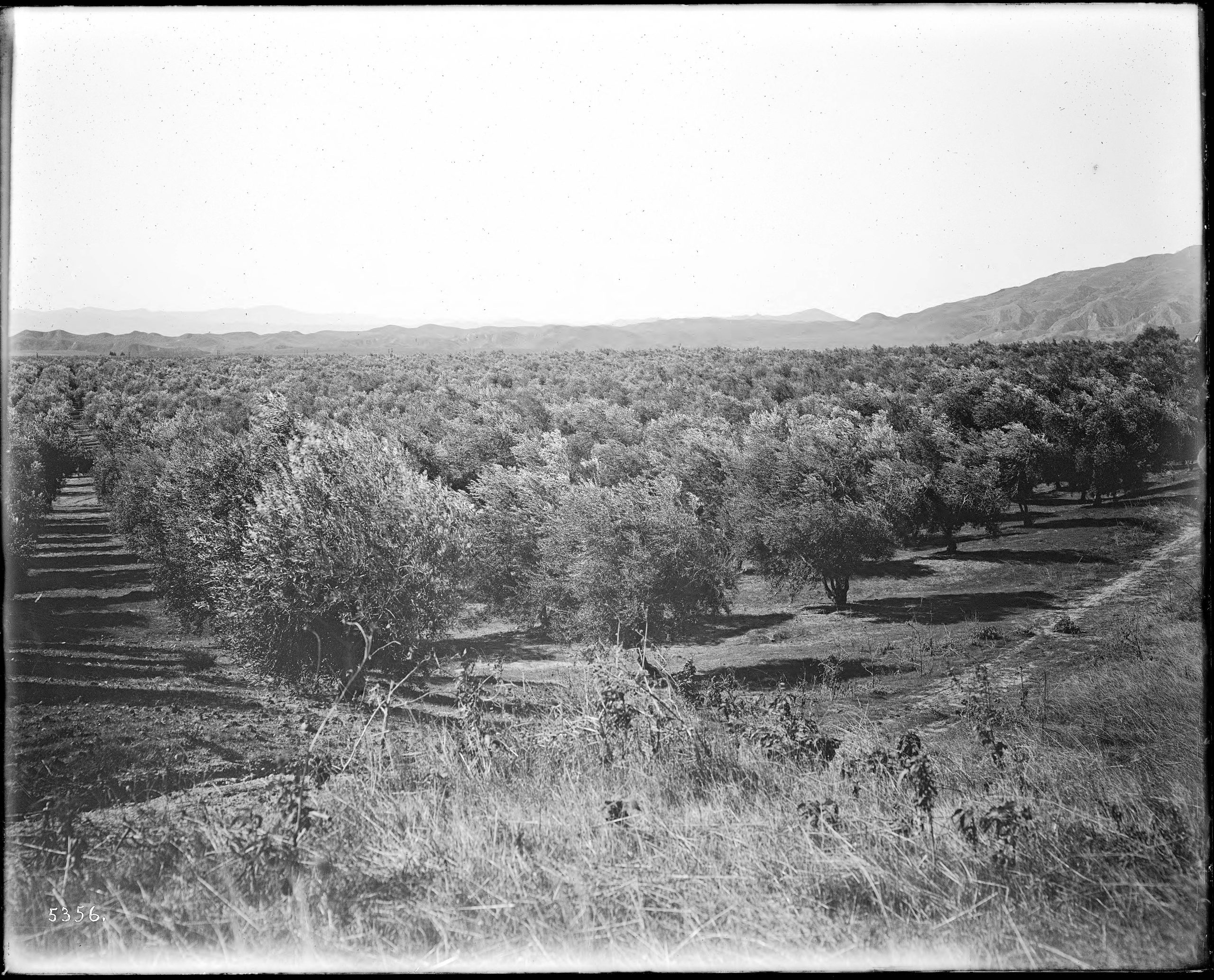
Historic olive grove photographed in the eastern San Fernando Valley around 1900; public domain in the United States.

Sun Valley Jose Mier believes a neighborhood’s character is best understood through the places where people gather. In Sun Valley, one of those anchors is the Sun Valley Recreation Center on Vineland Avenue: a community facility where sports, classes, outdoor play, and neighborhood events bring residents together. It is more than a patch of green amid busy streets—it is a practical example of how public recreation helps a community thrive.

Historic olive grove photographed in the eastern San Fernando Valley around 1900; public domain in the United States.
Historic olive grove photographed in the eastern San Fernando Valley around 1900. Image: California Historical Society Collection via USC Libraries, Wikimedia Commons; public domain in the United States.

A Neighborhood Recreation Hub on Vineland Avenue

The Sun Valley Recreation Center is located at 8133 Vineland Avenue, Sun Valley, CA 91352. Managed by the City of Los Angeles Department of Recreation and Parks, the center serves residents of different ages and interests. The site’s amenities include lighted baseball and soccer facilities, outdoor basketball and tennis courts, a football field, a synthetic turf field, a children’s play area, picnic tables, a jogging path, a multipurpose room, and a pool with a slide.

That range is important. A recreation center is not designed around a single sport or age group. One family might come for a playground visit, another resident may use the walking path, and a team might gather for practice under the field lights. Having a collection of activities at one address makes recreation easier to access and gives the facility a role beyond organized leagues.

Sports, Fitness, and Programs for Different Ages

The center’s program listings cover a broad assortment of sports and fitness activities, including baseball, flag football, soccer and futsal, gymnastics, martial arts, dance, cheer, tennis, boxing, basketball, track and field, volleyball, and softball. Program schedules vary by season, so the official recreation department page is the best place to verify current classes, enrollment windows, and team offerings.

These programs can make sports more approachable. Beginners have a chance to learn basic skills, while returning participants can keep practicing and meet teammates. Fitness and wellness activities also offer ways for adults and older residents to stay active without having to travel far from home. The center’s cultural programming, camps, hobbies, games, and special events add another layer to the community calendar.

The Pool: A Seasonal Summer Destination

One of the recreation center’s best-known features is its swimming pool with a slide. In the warmer months, a public pool can be a welcome way for families to spend time outdoors and for swimmers to cool off. The pool operates through its own aquatic facility program at 8123 Vineland Avenue, adjacent to the recreation center address. Admission, swim lessons, public swim sessions, and seasonal hours are administered separately and can change, so visitors should check the city’s current aquatic information before making plans.

It is worth noting that pool access and recreation center programming are not necessarily on the same schedule. Looking up the pool’s current calendar ahead of time helps avoid an unnecessary trip, especially when planning around summer weekends or swim lessons.

Why Public Recreation Matters in Sun Valley

Community parks contribute in ways that are easy to overlook. They create space for physical activity, provide a setting for informal social connection, and offer a place for neighbors to see one another outside the routines of work, school, and errands. For young people, leagues and classes can establish positive routines and introduce teamwork. For families, parks offer an accessible option for shared time. For the broader neighborhood, events and programs can build a sense of belonging.

Sun Valley’s identity includes industrial corridors, local businesses, residential pockets, and important community institutions. Recreation facilities are part of that mix. They give residents an opportunity to experience the neighborhood as a place to live and connect, not simply a place to commute through. The city’s park advisory board also provides a community-facing channel for people interested in helping support the center’s operation, improvements, programming, and special events.

Planning a Visit

The center’s posted hours are generally Monday through Friday from 9 a.m. to 9 p.m. and Saturday from 9 a.m. to 5 p.m., with Sunday listed as closed; schedules and facility access may change. The city lists the recreation center phone as (818) 767-6151. For field conditions and game updates, the department directs visitors to its social media channels. Check the official page for current notices, registration links, and program details.

When visiting, follow posted rules, respect staff and other park users, and confirm whether a particular court, field, or room requires a reservation or organized registration. If you are attending a game, verify field conditions before heading out. This little bit of planning makes the visit smoother for everyone.

A Local Resource Worth Knowing

The Sun Valley Recreation Center is a straightforward but meaningful neighborhood resource. Its collection of sports facilities, classes, pool access, and community spaces helps serve residents with very different needs. Whether you are looking for a place to enroll a child in a seasonal sport, take a fitness class, spend a summer afternoon, or simply enjoy a walk, this Vineland Avenue destination is worth keeping on your local radar.

At Sun Valley Jose Mier, we like highlighting places that quietly strengthen everyday community life. Recreation centers may not always be the headline attraction, but they are often where neighborhood connections are made and sustained. Before visiting, explore the City of Los Angeles Recreation and Parks official Sun Valley Recreation Center page for updated programs, hours, and registration information.

Watch: A Look at Sun Valley, Los Angeles

This video offers a broader visual introduction to Sun Valley and its neighborhood character before you explore local recreation and other community destinations.

sunvalleyjosemier.com