Sun Valley Jose Mier looks out for our neighbors. With increased temps on the way, it’s time to start clearing brush way from our structures.
Wildfires have become one of the most serious natural threats facing Southern California. The region’s dry climate, rugged terrain, seasonal Santa Ana winds, and expanding development near foothill and canyon areas create conditions where fast-moving fires can spread rapidly and threaten homes, businesses, and lives. Communities throughout Los Angeles County, Ventura County, Orange County, Riverside County, San Bernardino County, and San Diego County have experienced devastating wildfires over the years, including major fires that destroyed thousands of structures and forced massive evacuations. Because wildfire danger is now considered a year-round concern in many areas, fire preparedness and the creation of defensible space around structures have become essential responsibilities for homeowners, businesses, and property managers throughout Southern California.
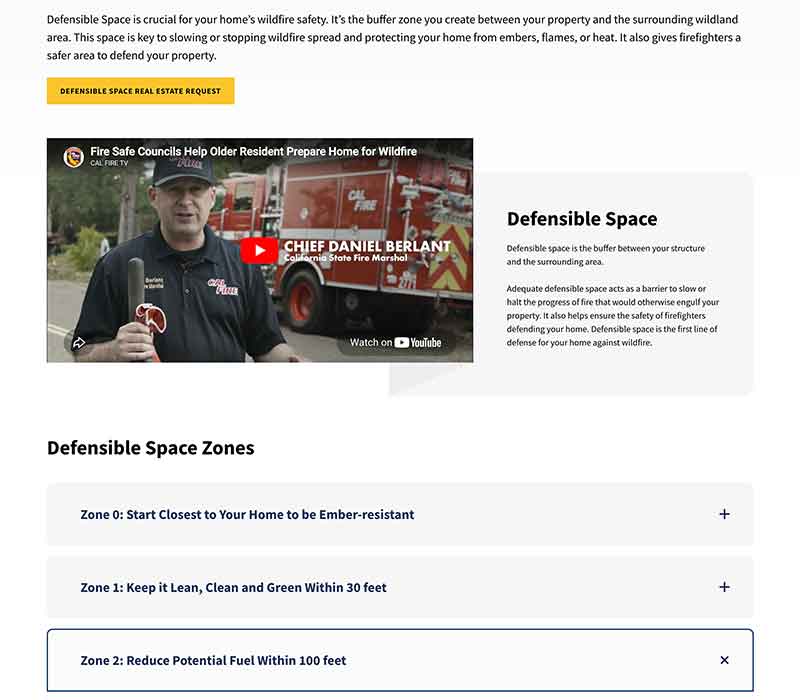
Fire preparedness involves taking proactive steps to reduce fire risk, protect structures, prepare evacuation plans, and improve the chances of survival during wildfire emergencies. One of the most important concepts in wildfire protection is defensible space. Defensible space refers to the buffer zone created around a structure by reducing or removing flammable vegetation and combustible materials. Proper defensible space helps slow the spread of wildfire, reduces radiant heat exposure, and gives firefighters a safer area in which to defend homes and buildings.
Southern California’s climate makes defensible space especially important. The region experiences long dry seasons, low humidity, and periods of intense wind conditions that can turn small fires into major disasters within hours. Native vegetation such as chaparral, sage scrub, dry grasses, eucalyptus trees, and brush can burn extremely quickly during hot and windy conditions. In many foothill and canyon communities, homes are built close to wildland areas where vegetation naturally accumulates and dries out during summer and fall.
Santa Ana winds are one of the biggest factors contributing to wildfire danger in Southern California. These strong, dry winds typically occur during the fall and early winter months and can push flames rapidly across hillsides and neighborhoods. Wind-driven embers may travel miles ahead of the main fire front, igniting roofs, landscaping, decks, fences, and dry vegetation. Because embers are responsible for many structure fires during wildfires, defensible space and home hardening have become critical fire prevention strategies.
California fire agencies generally divide defensible space into different zones around structures. The first zone, often called the ember-resistant zone or immediate zone, extends roughly five feet from buildings. This area should contain as few combustible materials as possible. Dry leaves, mulch, wood piles, patio furniture cushions, cardboard boxes, and flammable plants should be removed or minimized near structures. Gutters and roofs should also be kept free of leaves and pine needles because wind-blown embers can ignite accumulated debris very easily.
The second defensible space zone usually extends from approximately five to thirty feet around the structure. In this area, vegetation should be carefully maintained and spaced to reduce fire intensity. Trees and shrubs should not touch buildings or overhang roofs. Grass should be cut short and irrigated when possible. Dead plants, fallen branches, and dry brush should be removed regularly. Proper spacing between trees and shrubs helps reduce the likelihood of flames spreading continuously through vegetation.
The third zone, extending farther from structures, focuses on slowing wildfire spread before flames reach the home itself. In this area, thinning vegetation, removing dead brush, and creating separation between trees can reduce fire intensity and help firefighters access the property more safely. The exact defensible space requirements may vary depending on slope, vegetation type, local fire codes, and property size.
Slope is a particularly important factor in Southern California wildfire behavior. Fires burn uphill much faster because heat rises and preheats vegetation above the flames. Homes located on steep hillsides or canyon edges often require greater defensible space distances because fire intensity increases dramatically on slopes. Many Southern California communities are built directly into hillside environments, making vegetation management even more critical.
Home hardening is another essential component of fire preparedness. Even with good defensible space, homes remain vulnerable if embers can enter vents, ignite roofs, or burn combustible materials attached to structures. Modern fire-resistant building practices help reduce this risk. Fire-resistant roofing materials such as metal, tile, asphalt composition shingles, or treated materials are strongly recommended in wildfire-prone areas. Wood shake roofs are especially dangerous because they can ignite easily from airborne embers.
Vents are another common vulnerability during wildfires. Embers can enter attic and crawl-space vents, igniting insulation or stored materials inside the structure. Many homeowners now install ember-resistant vents with fine metal mesh designed to block burning embers while still allowing airflow. Dual-pane tempered glass windows also improve fire resistance because they are less likely to shatter from radiant heat exposure.
Decks, fences, and siding materials can also affect a home’s fire vulnerability. Wooden decks and fences often ignite during wildfires, especially if dry leaves or vegetation accumulate underneath them. Using non-combustible or ignition-resistant materials can significantly improve a structure’s survivability. Homeowners are also encouraged to remove flammable materials stored beneath decks and around buildings.
Landscaping choices play a major role in Southern California fire preparedness. Some plants are highly flammable because they contain oils, resins, or dry foliage that burn intensely. Eucalyptus, juniper, cypress, and certain ornamental shrubs can contribute significantly to fire spread. Fire-resistant landscaping focuses on selecting plants with higher moisture content and lower flammability. Native drought-tolerant plants can still be used safely when properly maintained and spaced.
Irrigation is also important because well-watered plants are generally less likely to ignite than dry vegetation. However, water conservation remains a major concern in Southern California, so homeowners often seek drought-tolerant landscaping strategies that balance fire safety with water efficiency. Gravel, stone pathways, decomposed granite, and irrigated green zones can all help create effective fuel breaks around homes.
Regular maintenance is critical because defensible space is not a one-time project. Vegetation grows continuously, leaves accumulate seasonally, and dry conditions change throughout the year. Property owners should inspect their landscapes regularly and remove dead plants, trim trees, clean gutters, and clear debris. During periods of high fire danger, even small accumulations of dry vegetation can become hazardous.
Evacuation preparedness is another major part of wildfire planning in Southern California. Because fires can spread rapidly under windy conditions, residents may have only minutes to evacuate safely. Families should prepare evacuation plans in advance, including escape routes, emergency contacts, important documents, medications, and supplies. Emergency kits often include water, flashlights, batteries, first aid supplies, clothing, pet supplies, and copies of insurance records.
Many Southern California communities now encourage residents to sign up for emergency alert systems that provide wildfire warnings and evacuation notices. Smartphone alerts, local emergency apps, radio broadcasts, and reverse-911 systems can all provide critical information during fire emergencies. Understanding evacuation terminology such as evacuation warnings and mandatory evacuation orders is also important.
Vehicle preparedness is often overlooked but essential during wildfire season. Residents in high-risk areas are encouraged to keep vehicles fueled and ready during red flag warning conditions. Narrow canyon roads and hillside communities can become heavily congested during evacuations, making early departure important when conditions deteriorate.
Businesses and commercial properties in Southern California also face wildfire risks and must develop preparedness plans. Hotels, schools, industrial facilities, apartment complexes, and commercial buildings often create defensible space, maintain emergency generators, establish evacuation procedures, and train employees for fire emergencies. Utility companies, communication providers, and public agencies also play major roles in wildfire prevention and emergency response.
Public agencies such as the California Department of Forestry and Fire Protection and local fire departments conduct extensive wildfire prevention efforts throughout Southern California. These agencies perform controlled burns, vegetation management, public education campaigns, and fire inspections. Firefighters also work closely with communities to promote defensible space compliance and emergency preparedness.
Climate change has intensified wildfire concerns across California in recent decades. Hotter temperatures, prolonged droughts, reduced snowpack, and changing weather patterns have contributed to longer fire seasons and more extreme wildfire behavior. Scientists and fire officials increasingly warn that wildfire preparedness must become part of long-term planning for communities throughout the region.
Insurance availability has also become a major issue in wildfire-prone areas. Some homeowners in high-risk zones have experienced rising insurance premiums or difficulty obtaining coverage. Insurance companies increasingly evaluate defensible space, roofing materials, vegetation management, and fire-resistant construction when assessing wildfire risk. As a result, fire preparedness measures may help homeowners maintain insurability as well as improve safety.
Community-wide cooperation is essential because wildfire protection works best when entire neighborhoods participate. A single neglected property filled with dry vegetation can threaten surrounding homes during a fire. Many communities organize neighborhood cleanup efforts, brush clearance programs, and educational workshops to improve collective preparedness.
Southern California residents have learned through repeated wildfire disasters that preparation before a fire starts is far more effective than reacting once flames are approaching. Defensible space, home hardening, vegetation management, emergency planning, and public awareness all work together to reduce wildfire risk. While no strategy can eliminate wildfire danger entirely, proper fire preparedness can dramatically improve a structure’s chances of survival and help protect lives during increasingly dangerous fire seasons.
As wildfire threats continue evolving across Southern California, defensible space and fire preparedness have become essential parts of responsible property ownership and community resilience. By maintaining vegetation, strengthening structures, planning evacuations, and staying informed about fire conditions, residents and businesses can better protect themselves against one of the region’s most serious and persistent natural hazards.