
shadow

Sun Valley Jose Mier Goes Back to Basics: Hot Dogs

Sun Valley Jose Mier top hot dog pick: Dog Haus

Sun Valley Jose Mier points out the top hot doggeries in Sun Valley, CA. Of course, the Hound Dog on Glenoaks is a staple but we also have the Dog Haus in the Avion Burbank complex for some extra fancy dogs. Few foods are as instantly recognizable and widely enjoyed as the humble hot dog. Found everywhere from backyard barbecues to bustling city street carts, hot dogs have become a defining symbol of casual American dining. Their appeal stretches across generations, regions, and social settings, making them one of the most enduring and beloved foods in the United States. To understand why hot dogs remain so popular, it helps to explore their origins, how they evolved into a cultural icon, and the many reasons people continue to crave them.

Sun Valley Jose Mier top hot dog pick: Dog Haus

The story of the hot dog begins long before it reached American shores. Its roots trace back to European sausage-making traditions, particularly in Germany and Austria. Sausages such as the Frankfurt sausage from Frankfurt and the Wienerwurst from Vienna laid the foundation for what would eventually become the modern hot dog. These finely ground, seasoned meats were typically encased in natural casings and either smoked or cooked, creating a portable, flavorful food that could be eaten on the go. German immigrants brought these culinary traditions with them to the United States in the 19th century, introducing Americans to a wide variety of sausages that would soon be adapted to local tastes.

As these sausages gained popularity in America, they began to take on new forms. Vendors started selling them in public spaces, often serving them with bread to make them easier to eat without utensils. One popular story suggests that the practice of placing a sausage in a bun originated with street vendors in New York City, who wanted to provide customers with a convenient way to handle hot sausages without burning their hands. Whether or not that story is entirely accurate, the combination of sausage and bun proved to be a winning formula. It transformed the sausage into a self-contained meal that was both practical and satisfying.
By the early 20th century, the hot dog had firmly established itself as a staple of American street food. It became especially associated with amusement parks, fairs, and sporting events. One of the most iconic venues for hot dog consumption is the baseball stadium, where the food has become as much a part of the experience as the game itself. The connection between hot dogs and baseball helped cement their place in American culture, turning them into a symbol of leisure, community, and tradition.

Over time, the hot dog evolved into a uniquely American creation, with regional variations reflecting local tastes and ingredients. In Chicago, for example, the hot dog is typically served on a poppy seed bun and topped with mustard, onions, relish, tomato slices, pickles, sport peppers, and celery salt—famously without ketchup. In New York, a simpler approach often prevails, with mustard and sauerkraut being the toppings of choice. In the South, chili dogs topped with cheese and onions are particularly popular, while on the West Coast, creative variations might include avocado, bacon, or even gourmet ingredients. These regional styles highlight the versatility of the hot dog and its ability to adapt to different culinary traditions.

One of the key reasons people love hot dogs is their convenience. They are quick to prepare, easy to serve, and require minimal equipment. Whether grilled over an open flame, boiled in a pot of water, or cooked on a stovetop, hot dogs can be ready in minutes. This makes them an ideal choice for busy households, large gatherings, and spontaneous meals. Their portability also adds to their appeal; they can be eaten while standing, walking, or sitting in a crowded stadium seat, making them one of the most accessible foods available.

Affordability is another major factor in the hot dog’s enduring popularity. Compared to many other types of meat-based meals, hot dogs are relatively inexpensive, making them an attractive option for families and individuals on a budget. This accessibility has helped them maintain their status as a go-to food for everything from casual lunches to large-scale events. Even as culinary trends have shifted toward more upscale and artisanal offerings, the hot dog has remained a reliable and approachable choice.

Flavor plays an equally important role in the hot dog’s appeal. The combination of a savory, slightly smoky sausage with a soft, slightly sweet bun creates a balanced and satisfying bite. The addition of toppings allows for endless customization, enabling people to tailor their hot dogs to their personal preferences. Whether someone prefers the tang of mustard, the sweetness of ketchup, the crunch of onions, or the richness of chili and cheese, there is a hot dog variation to suit every taste. This adaptability ensures that the food never becomes monotonous, even for those who enjoy it frequently.

Beyond taste and convenience, hot dogs carry a strong sense of nostalgia. For many people, they are associated with childhood memories, summer vacations, and family gatherings. The smell of hot dogs on a grill can evoke images of backyard barbecues, Fourth of July celebrations, and long afternoons spent outdoors. These emotional connections add an extra layer of enjoyment, transforming a simple meal into a meaningful experience. Food has a unique ability to trigger memories, and hot dogs are particularly effective in this regard because of their strong ties to shared cultural moments.

Hot dogs also play a significant role in American traditions and celebrations. They are a staple of Independence Day festivities, where they are often served alongside hamburgers, corn on the cob, and other classic barbecue foods. Eating hot dogs during these occasions has become a ritual, reinforcing their status as a symbol of national identity. Events such as hot dog eating contests further highlight their cultural significance, turning them into a source of entertainment as well as sustenance.

In recent years, the hot dog has undergone a kind of culinary renaissance, with chefs and food entrepreneurs reimagining it in creative ways. Gourmet hot dog stands and restaurants have introduced high-quality ingredients, artisanal buns, and innovative toppings, elevating the humble hot dog into a more sophisticated dish. While these modern interpretations offer new and exciting flavors, they also demonstrate the enduring versatility of the hot dog. It can be both a simple street food and a canvas for culinary experimentation, appealing to a wide range of tastes and preferences.

Despite these innovations, the classic hot dog remains as popular as ever. There is something timeless about its simplicity—a reminder that good food does not have to be complicated to be enjoyable. In a world where dining trends can change rapidly, the hot dog has managed to maintain its relevance by staying true to its core qualities while still allowing for adaptation and creativity.

Another reason for the hot dog’s lasting appeal is its social aspect. It is a food that brings people together, whether at a picnic, a sporting event, or a neighborhood cookout. Sharing hot dogs in these settings fosters a sense of community and connection, reinforcing the idea that food is not just about nourishment but also about relationships. The act of grilling hot dogs, serving them to friends and family, and enjoying them together creates a shared experience that goes beyond the meal itself.

The global reach of the hot dog is also worth noting. While it is often considered an American classic, variations of the hot dog can be found around the world. Different countries have adapted the concept to suit their own culinary traditions, incorporating local ingredients and flavors. This international presence underscores the universal appeal of the hot dog and its ability to transcend cultural boundaries. In the end, the enduring popularity of the hot dog can be attributed to a combination of factors: its rich history, its adaptability, its convenience, and its deep cultural significance. From its origins in European sausage-making to its status as an American icon, the hot dog has evolved into much more than just a simple meal. It represents tradition, innovation, and the joy of sharing food with others.

As long as people continue to gather for celebrations, seek out quick and satisfying meals, and cherish the flavors and memories associated with this classic dish, the hot dog will remain a beloved part of the culinary landscape. Its story is one of transformation and resilience, a testament to the power of food to connect people across time and place.
http://www.sunvalleyjosemier.com

Sun Valley Jose Mier On Wineries in Los Angeles County

Sun Valley Jose Mier winery website image

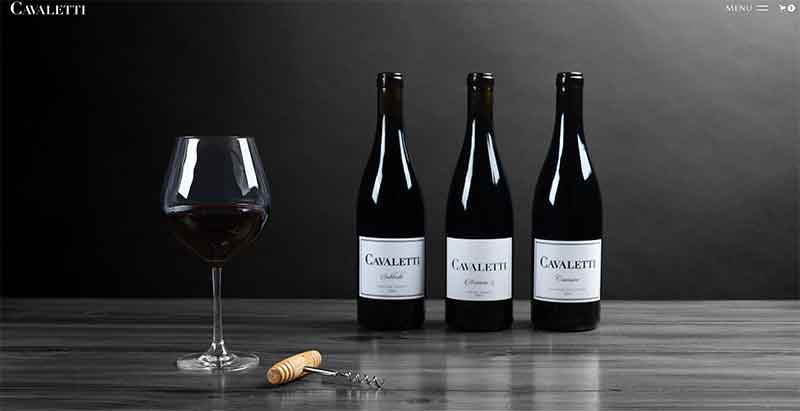
Sun Valley Jsoe Mier point out that we still have several active wineries in the Los Angeles area including Cavaletti Vineyards.

Sun Valley Jose Mier winery website image

When most people think of California wine, regions like Napa Valley and Sonoma immediately come to mind. However, Los Angeles County—better known for its entertainment industry and sprawling urban landscape—also has a rich and surprisingly diverse wine scene. From historic urban wineries to coastal vineyards overlooking the Pacific Ocean and high-desert growing regions, Los Angeles County offers a unique wine experience shaped by geography, history, and innovation.

While the scale may not rival Northern California’s wine regions, what Los Angeles County lacks in size it makes up for in character. Its wineries reflect the spirit of Southern California: creative, resilient, and constantly evolving.

A Brief History of Winemaking in Los Angeles

Winemaking in Los Angeles County dates back to the late 18th century, when Spanish missionaries planted the first vineyards using the Mission grape. By the mid-1800s, Los Angeles had become one of the largest wine-producing regions in California. The area around downtown Los Angeles was once covered in vineyards, supplying wine to a growing population.

However, several factors led to the decline of the region’s wine industry, including urban expansion, Prohibition in the early 20th century, and shifting agricultural priorities. As Los Angeles grew into a major metropolis, vineyards were replaced by homes, businesses, and infrastructure.

Despite this decline, a few wineries endured, preserving the legacy of Los Angeles winemaking and paving the way for its modern revival.

San Antonio Winery: A Historic Anchor

One of the most important names in Los Angeles wine history is San Antonio Winery. Founded in 1917, it is the oldest and largest producing winery in Los Angeles and one of the few that survived Prohibition by producing sacramental wine.

Located just north of downtown, San Antonio Winery remains a cornerstone of the local wine scene. It offers a full tasting room experience, guided tours, and an on-site restaurant, making it accessible to both locals and visitors. The winery produces a wide range of wines, from traditional reds and whites to sweeter dessert wines, appealing to a broad audience.

San Antonio Winery is more than just a place to taste wine—it is a living piece of Los Angeles history, demonstrating that winemaking has deep roots in the region.

Malibu: Coastal Elegance and Boutique Vineyards

The Malibu Coast has emerged as one of the most exciting wine regions in Los Angeles County. Benefiting from cool ocean breezes, varied elevations, and unique soil compositions, Malibu vineyards produce wines with distinct character and complexity.

Notable wineries in the area include:

  • Malibu Wines
  • Malibu Family Wines
  • Cornell Winery

Malibu wineries are known for their relaxed, scenic settings. Many tasting rooms are outdoors, surrounded by rolling hills, oak trees, and even wildlife such as peacocks. Visitors often enjoy picnics, live music, and sunset views alongside their wine tastings.

The wines themselves often include varietals like Cabernet Sauvignon, Syrah, and Sauvignon Blanc, with a focus on small-batch production and artisanal techniques.

Sierra Pelona Valley: A High-Desert AVA

Another important wine-producing area in Los Angeles County is the Sierra Pelona Valley, home to the Sierra Pelona Valley American Viticultural Area (AVA). Located in the northern part of the county near the Angeles National Forest, this region offers a completely different environment compared to Malibu.

Here, the climate is hotter and drier, with significant temperature swings between day and night. These conditions are ideal for growing robust grape varietals.

A key winery in this region is Agua Dulce Winery, which offers tastings, tours, and a scenic escape from the city. Surrounded by mountains and open landscapes, it provides a more traditional vineyard experience within Los Angeles County.

The Sierra Pelona Valley demonstrates the diversity of the region, showing how different microclimates can produce distinct wine styles even within the same county.

Urban Wineries: Innovation in the City

Los Angeles County is also home to a growing number of urban wineries—facilities that produce wine within city limits, often using grapes sourced from other parts of California. These wineries reflect the innovative spirit of Los Angeles, blending traditional winemaking with modern urban culture.

Examples include:

  • Angeleno Wine Company
  • LA Wine Company

Urban wineries often feature industrial-chic tasting rooms, educational events, and a focus on craftsmanship. They provide an accessible entry point for those who may not be able to travel to more remote wine regions.

These spaces also foster community, hosting events such as tastings, workshops, and private gatherings, making wine culture more integrated into everyday city life.

The Influence of Climate and Geography

Los Angeles County’s wine regions are shaped by a wide range of climates and terrains. From coastal hills to inland valleys and mountainous areas, each location contributes unique characteristics to the wines produced.

  • Coastal areas (Malibu): Cooler temperatures, maritime influence, elegant wines
  • Inland valleys (Sierra Pelona): Warmer climate, bold and structured wines
  • Urban areas: Focus on winemaking technique rather than grape growing

This diversity allows Los Angeles County to produce a broad spectrum of wine styles, appealing to different tastes and preferences.

Wine Tourism in Los Angeles County

Wine tourism in Los Angeles County is distinct from that of more traditional wine regions. Rather than sprawling vineyard estates, visitors often encounter intimate tasting rooms, scenic coastal settings, and urban wineries.

This accessibility is one of the region’s greatest strengths. Residents and tourists alike can:

  • Visit a winery without leaving the county
  • Combine wine tasting with other activities such as hiking, dining, or beach visits
  • Experience wine culture in a relaxed, unpretentious environment

Malibu, in particular, has become a popular destination for weekend getaways, offering a blend of wine, nature, and coastal beauty.

Challenges and Opportunities

Winemaking in Los Angeles County is not without its challenges. Limited land availability, high property values, and environmental concerns such as drought and wildfires all impact vineyard operations.

However, these challenges have also driven innovation. Many wineries focus on:

  • Sustainable practices
  • Small-batch production
  • Unique varietals and blends

The result is a wine scene that prioritizes quality and creativity over mass production.

The Future of Los Angeles County Wineries

As interest in local and artisanal products continues to grow, Los Angeles County wineries are well-positioned to expand their influence. The region’s combination of history, diversity, and accessibility makes it an appealing destination for both casual wine drinkers and enthusiasts.

Urban wineries, in particular, are likely to play an increasingly important role, bringing wine culture directly into the heart of the city. Meanwhile, coastal and inland vineyards will continue to refine their offerings, showcasing the unique terroir of Southern California.

Conclusion: A Unique and Evolving Wine Region

Wineries in Los Angeles County represent a fascinating blend of past and present. From the historic legacy of San Antonio Winery to the scenic beauty of Malibu and the rugged landscapes of the Sierra Pelona Valley, the region offers a wine experience unlike any other.

It is a place where tradition meets innovation, where urban energy coexists with agricultural heritage, and where wine is both a craft and a lifestyle. While it may not yet have the global recognition of Napa or Sonoma, Los Angeles County’s wine scene is a hidden gem—one that continues to grow, evolve, and surprise those willing to explore it.

sunvalleyjosemier.com

Sun Valley Jose Mier on Upscale Dining Venues

Upscale dining near Sun Valley Jose Mier

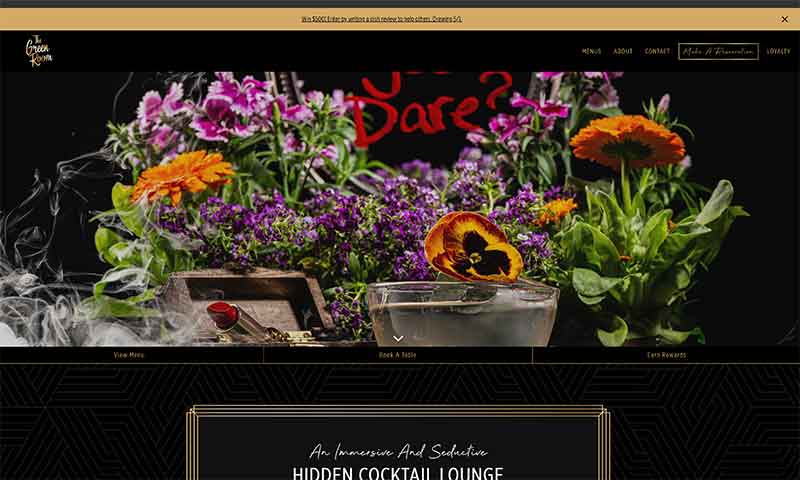
Sun Valley Jose Mier promotes restaurants in Sun Valley, CA but even if truly upscale restaurants do not abound in our community, it’s only a short drive to find some hidden gems nearby.

Upscale dining opportunities in and around Sun Valley, California, reflect the broader culinary landscape of the eastern San Fernando Valley—an area where understated local establishments meet nearby high-end destinations that deliver memorable, refined experiences. While Sun Valley itself is primarily known for its industrial roots and low-key dining scene, its proximity to Burbank, Glendale, North Hollywood, and Studio City places it within minutes of some of the region’s most sophisticated restaurants. For residents and visitors alike, this means that a world of elegant cuisine, curated wine lists, and immersive atmospheres is never far away. Upscale dining in this part of Los Angeles is defined not only by food quality but also by ambiance, service, and a sense of occasion—qualities that are exemplified by standout venues such as Castaway and its hidden gem, The Green Room at Castaway.

Upscale dining near Sun Valley Jose Mier

The Nature of Upscale Dining Near Sun Valley

Upscale dining in the Sun Valley area is less about a dense cluster of luxury restaurants and more about strategic destinations—places people travel to for a special night out. Within a short drive, diners can experience everything from modern steakhouses to chef-driven California cuisine. These restaurants emphasize high-quality ingredients, often sourced seasonally, and menus that balance innovation with familiarity. Presentation is elevated, with dishes crafted as much for visual appeal as for flavor, while service is attentive and personalized, often including sommelier-guided wine pairings or tableside preparation.

Atmosphere plays a defining role. Many upscale venues in this region capitalize on Southern California’s climate and geography, offering outdoor patios, hillside views, and indoor-outdoor dining spaces that blur the line between restaurant and experience. Lighting, music, and décor are carefully curated to create environments that feel both luxurious and comfortable, making these restaurants ideal for celebrations, date nights, or business dinners.

Sun Valley’s Position in the Dining Landscape

Sun Valley itself does not have a large concentration of fine dining establishments, but that is part of its appeal. It serves as a quiet residential and industrial hub, allowing nearby neighborhoods to carry the torch for upscale culinary experiences. Within 10 to 20 minutes, diners can reach areas like Burbank and Studio City, where the dining scene becomes significantly more refined.

This geographic dynamic encourages a “destination dining” culture. Instead of walking to a neighborhood fine dining restaurant, residents of Sun Valley often plan evenings around specific venues. This adds to the sense of occasion—choosing a restaurant becomes an event in itself, complete with scenic drives through the hills or along Ventura Boulevard.

Castaway: A Landmark Upscale Experience

One of the most iconic upscale dining destinations near Sun Valley is Castaway. Perched in the hills above Burbank, this modern steakhouse offers sweeping panoramic views of the San Fernando Valley and the Los Angeles skyline, creating a dramatic and unforgettable backdrop for any meal. Castaway has undergone significant reinvention in recent years, transforming into a sleek, contemporary venue that combines architectural sophistication with culinary excellence. Its design features include tiered seating, expansive windows, and outdoor terraces with fire pits, all of which enhance the dining experience by immersing guests in the surrounding landscape. The menu reflects the expectations of a high-end steakhouse, with premium cuts of meat, fresh seafood, and thoughtfully crafted shareable plates. A robust wine program and creative cocktail offerings complement the cuisine, making it a popular choice for everything from romantic dinners to milestone celebrations. The restaurant’s reputation as a special-occasion destination is reinforced by its consistent recognition as one of the area’s most sought-after dining spots.

The Green Room: A Hidden Luxury Experience

Tucked within Castaway is one of the most distinctive upscale experiences in the region: The Green Room at Castaway. This intimate, speakeasy-style lounge elevates the concept of dining and nightlife by blending exclusivity, creativity, and theatrical presentation.

Accessed through a hidden entrance, The Green Room is designed to evoke the backstage lounges of Hollywood’s golden era, where performers once relaxed away from the spotlight. Inside, guests are treated to plush seating, moody lighting, and a sense of privacy that sets it apart from traditional restaurants.

What truly distinguishes The Green Room is its immersive approach to cocktails and small plates. The bar program features high-end spirits, curated champagne selections, and elaborate tableside presentations that turn each drink into a performance. Guests can also enjoy elevated dishes such as seafood towers, Wagyu preparations, and inventive desserts, all designed to complement the lounge’s luxurious atmosphere.

The experience is further enhanced by its setting. Like Castaway itself, The Green Room offers stunning views of the city, allowing guests to enjoy the glittering lights of Los Angeles while sipping expertly crafted cocktails. This combination of ambiance, service, and culinary creativity makes it a standout destination for those seeking something beyond a traditional dinner.

The Broader Upscale Dining Ecosystem

Beyond Castaway and The Green Room, the areas surrounding Sun Valley offer a diverse range of upscale dining options. Studio City, for example, is known for its trendy restaurants along Ventura Boulevard, where chefs experiment with global flavors and modern techniques. North Hollywood brings a more artistic and contemporary vibe, with intimate eateries that emphasize creativity and seasonal menus. Glendale adds a mix of classic steakhouses and upscale Mediterranean establishments, reflecting the area’s cultural diversity.

These neighboring communities expand the possibilities for fine dining, ensuring that residents of Sun Valley have access to a wide spectrum of experiences—from polished, white-tablecloth restaurants to stylish, modern venues with a more relaxed approach to luxury.

What Makes Upscale Dining Here Unique

Upscale dining in the Sun Valley–Burbank area is shaped by its proximity to the entertainment industry. Many restaurants cater to a clientele that includes industry professionals, creatives, and visitors looking for a quintessential Los Angeles experience. This influence is evident in the design and atmosphere of venues like Castaway and The Green Room, where elements of glamour, exclusivity, and visual drama play a central role.

Additionally, the region’s geography allows restaurants to capitalize on elevation and views in a way that few other parts of Los Angeles can. Hillside locations provide panoramic vistas that transform a meal into a multisensory experience, particularly at sunset or after dark when the city lights come alive.

Service standards also tend to be high, with staff trained to anticipate guest needs and create seamless, memorable experiences. Whether it’s a perfectly timed wine pairing or a personalized recommendation, these details contribute to the overall sense of luxury that defines upscale dining.

Conclusion

While Sun Valley itself may not be synonymous with fine dining, its location places it within easy reach of some of the most compelling upscale dining experiences in the San Fernando Valley. From the dramatic hilltop setting of Castaway to the hidden, immersive elegance of The Green Room at Castaway, the area offers a range of options that cater to those seeking exceptional food, ambiance, and service.

For anyone living in or visiting Sun Valley, upscale dining is less about what is immediately nearby and more about what is just a short drive away. And in that short distance lies a world of culinary sophistication, where every detail—from the view to the plating—is designed to create an unforgettable experience.