
Sun Valley Jose Mier is always looking for the places that make this corner of Los Angeles distinctive, and Stonehurst is one of the most remarkable. Tucked into northeastern Sun Valley, this historic neighborhood is known for homes built with native river rock, a rustic architectural style that feels a world away from the busy streets and freeways nearby. Stonehurst offers a window into an earlier chapter of the San Fernando Valley—and a reminder that local history can still be part of everyday life.
How Stonehurst Became a Neighborhood Apart
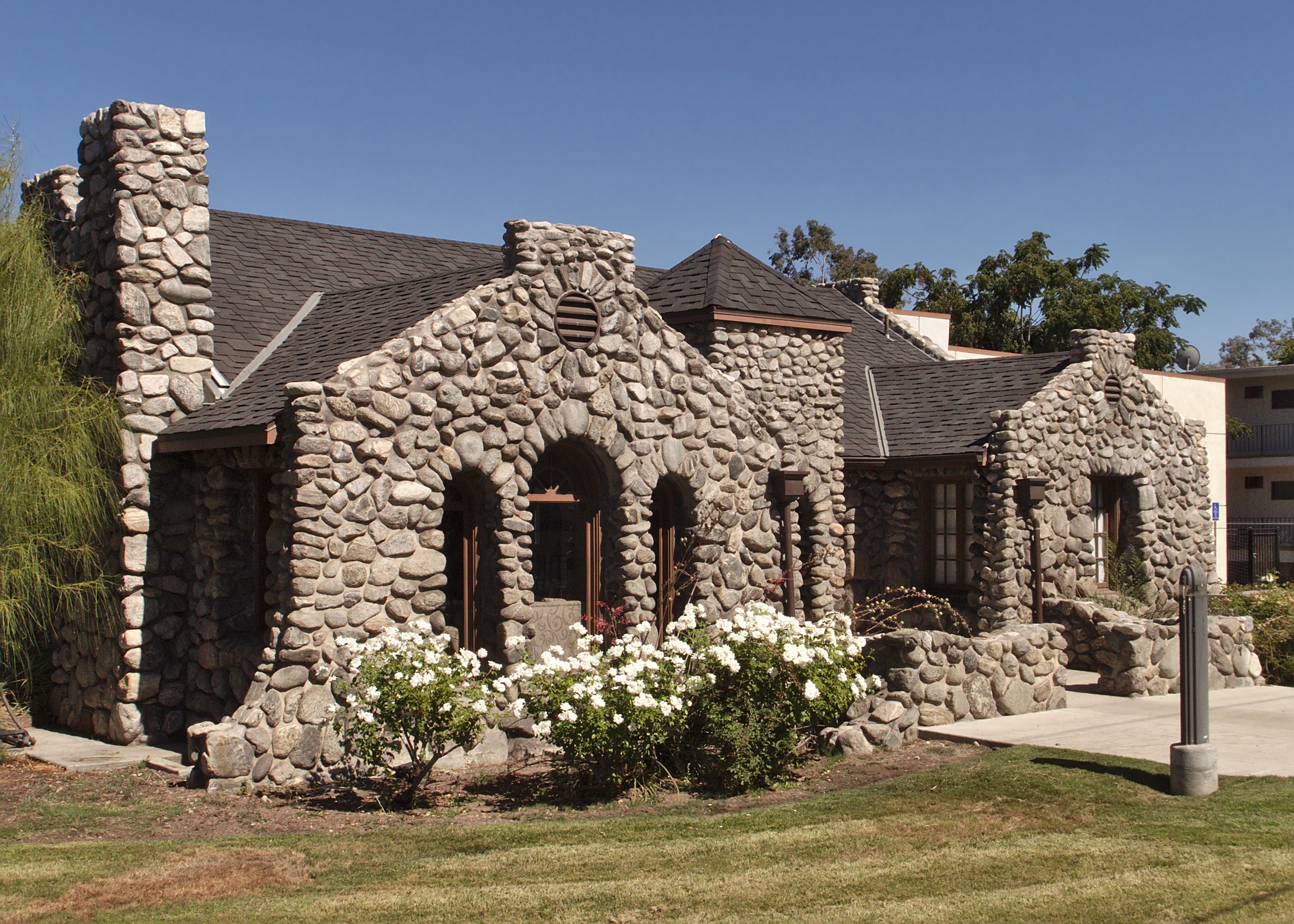
Stonehurst took shape in the 1920s, when developer “Pep” Rempp promoted a foothill community in what was then commonly known as Roscoe. The homes were built largely between 1923 and 1925, with local stonemason Daniel Lawrence Montelongo and his helpers making use of river rock gathered from nearby washes and foothills. Rather than hiding the stone, builders made it the defining feature of cottages, walls, and other structures.
The result was a neighborhood with a strong sense of place. Many homes are modest bungalows on relatively generous lots, and their rough-stacked stone walls give them a handcrafted character rarely found in newer subdivisions. Craftsman and Spanish-influenced details appear alongside what is often described as “Stonemason Vernacular” architecture.
Why the River-Rock Architecture Matters
Building with local stone was practical as well as distinctive. The material was close at hand, and its texture helped give the homes a rugged, enduring appearance. The irregular shapes and natural colors also connect the houses visually to the landscape around the Verdugo foothills. Each wall and facade has its own pattern, so the neighborhood feels less uniform than a development built from identical plans and materials.
Stonehurst is more than a collection of unusual houses. It demonstrates how local materials, available skills, and a developer’s vision can shape a community’s identity. In a region where development has often replaced older buildings, preserving these structures keeps a tangible record of how people lived and built nearly a century ago.
A Recognized Historic Preservation Area
The City of Los Angeles recognizes Stonehurst as a Historic Preservation Overlay Zone (HPOZ). The district includes 92 homes and parcels, and city planning materials describe it as having Los Angeles’s highest concentration of homes that use native river rock as a primary building material. The designation helps guide changes to the neighborhood so that its historic character can be considered when exterior alterations or new construction are proposed.
Historic designation does not mean a neighborhood is frozen in time. People continue to live in these houses, care for their properties, and adapt them to modern needs. The purpose of preservation planning is to help changes respect the features that make Stonehurst special, while allowing it to remain a living residential community.
Anyone considering a renovation or simply curious about the district should consult the City of Los Angeles Planning Department’s official Stonehurst HPOZ page for current preservation information and guidelines.
Stonehurst Recreation Center: Community Life and History
The neighborhood’s story also connects with Stonehurst Recreation Center, a local gathering place built with the same striking native-stone approach. The recreation center’s historic building was constructed around 1930 by Montelongo and his helpers. Today, recreation centers such as this provide more than a place for activities: they offer space for neighbors to meet, families to spend time together, and community traditions to continue.
For visitors interested in local architecture, the recreation center is a useful point of reference for understanding the area’s stonework. Please remember that Stonehurst is a residential neighborhood, not an open-air museum. Enjoy the public streets respectfully, avoid entering private property, and keep noise and traffic considerate of residents.
What to Notice on a Respectful Visit
A slow walk or drive through the public streets can reveal details that are easy to miss at speed. Look for the different sizes and colors of the stones, the way walls and facades use the material, and the mix of bungalow forms and period-inspired details. Notice how the homes sit on their lots and how the foothill setting contributes to the neighborhood’s rural feel.
Because this is an active residential area, visitors should check current local parking rules, avoid blocking driveways, and never photograph people or private spaces in a way that intrudes on their privacy. The best way to appreciate Stonehurst is to treat it as both a historic place and someone’s home.
Watch: A Look at Sun Valley, Los Angeles
This video provides a broader introduction to Sun Valley and its neighborhood character. Use it as a starting point, then explore the official city resources linked above for more detailed information about Stonehurst’s preservation history.
Keeping Sun Valley’s Local Character Visible
Stonehurst is a reminder that Sun Valley’s identity is made up of many layers: its working businesses, family neighborhoods, recreation spaces, and places that preserve a sense of the past. Its stone houses tell a story about resourcefulness and craftsmanship, but they also show how preservation can give a community a recognizable identity in a fast-changing city.
At Sun Valley Jose Mier, we believe learning about places like Stonehurst is one way to appreciate the community more fully. Whether you live nearby or are discovering the area for the first time, a little local history can change the way you see an ordinary street. Explore respectfully, support the neighborhood’s businesses, and keep looking for the stories that make Sun Valley unique.