shadow

Sun Valley Jose Mier: Discovering the Community Value of the Sun Valley Branch Library

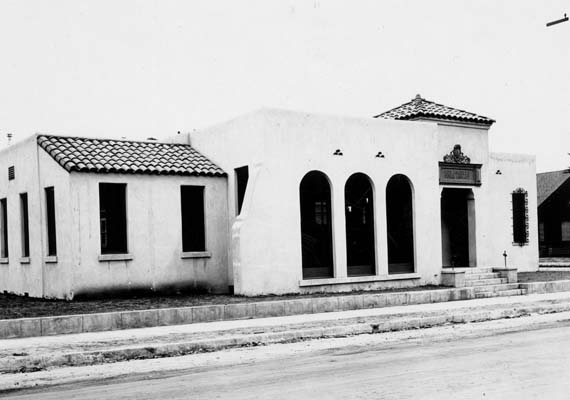
Historic Los Angeles public library branch building in 1925

Sun Valley Jose Mier has always believed that a strong community needs places where people can learn, gather and discover something new. One of the most useful of those places is the Sun Valley Branch Library of the Los Angeles Public Library. Located at 7935 Vineland Avenue, the branch is much more than a building filled with books. It is a neighborhood resource for students, families, job seekers, lifelong learners and residents who simply want a quiet place to read or connect.
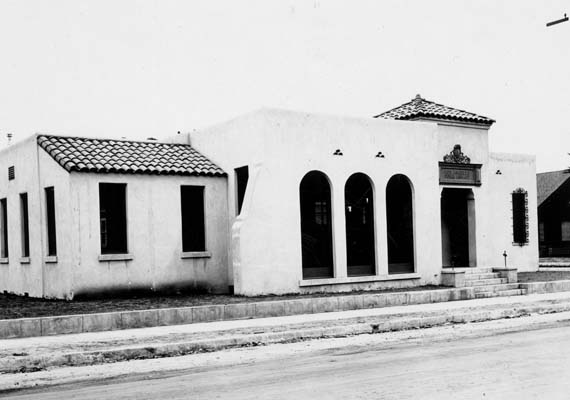
Historic Los Angeles public library branch building in 1925

Public-domain historical image of a Los Angeles public library branch, used as an illustration of the city’s long tradition of neighborhood libraries.

A Neighborhood Library With a Broad Mission

When I think about local institutions that quietly improve everyday life, libraries are near the top of my list. The Sun Valley Branch is part of the Los Angeles Public Library system and gives residents access to traditional library collections as well as technology, educational resources and community programming. The current branch is at 7935 Vineland Avenue, and the library provides parking and bicycle access for visitors.

What makes a modern public library interesting is the range of services available under one roof. Books remain at the center, of course, but today’s library is also a place for internet access, printing, digital resources, study and community activities. The Sun Valley Branch offers public computers, Wi-Fi, wireless printing, Chromebooks, a student zone and a Spanish-language collection, among other services.

Why Libraries Still Matter in a Digital City

It might seem that smartphones, search engines and streaming services have made libraries less important. I see it differently. Technology has actually expanded what a library can provide. A library card can be a gateway to digital books, audiobooks, databases and learning resources that might otherwise cost money.

There is also something valuable about having a physical place where people can concentrate. Students can study. Parents can introduce young children to books. Adults can work on language skills or use computers. Someone researching a local business or neighborhood history can find reference material and guidance that may not appear in a simple internet search.

Services That Go Beyond Books

The Sun Valley Branch’s current services demonstrate how the library has adapted to contemporary needs. In addition to books and other traditional materials, the branch lists public computers, Wi-Fi, wireless printing, Chromebooks, sensory kits, an oral-history backpack, birdwatching kits and book bundles to go. There is even an electric-vehicle charging station.

I particularly like seeing services such as the oral-history backpack and birdwatching kits because they encourage people to use the library as a starting point for activities beyond reading. A public library can help residents explore their own neighborhood, learn new skills and participate in projects that bring people together.

A Place for Children, Students and Families

Libraries are especially important for young people. A child who develops a habit of visiting the library has access to a tremendous range of stories and ideas. For students, the library can also be a practical place to complete homework, use technology and get help finding reliable information.

The Sun Valley Branch offers a Student Zone and family-oriented programming. The Los Angeles Public Library also lists activities such as storytime, reading programs and other events for children and families. These programs turn the library from a place people visit occasionally into a place that can become part of a family’s regular routine.

Learning Continues for Adults

I also appreciate the attention libraries give to adult education. At the Sun Valley Branch, programming includes English conversation opportunities and free citizenship classes. Those services are particularly meaningful in a diverse Los Angeles neighborhood because language and civic knowledge can open doors to employment, education and greater participation in community life.

A library does not have to be a formal school to be an educational institution. Sometimes learning begins with a conversation, a book, a computer search or a question asked at the information desk. Libraries give people the freedom to pursue those interests at their own pace.

The Library as a Community Gathering Place

One of the most important functions of a neighborhood library is harder to measure: bringing people together. A book club can introduce neighbors to one another. A children’s program gives parents a chance to meet. An English conversation class can help newcomers become more comfortable in their community. A workshop or special event can bring people through the doors who might not otherwise visit.

The Sun Valley Branch participates in this broader idea of the library as a community center. Its calendar includes activities for different ages and interests, making the branch useful not just for people who arrive specifically to check out books but for residents looking for educational and social opportunities.

A Resource for Local Research

As someone interested in Sun Valley and its history, I also see the library as a valuable research resource. Neighborhood history is often scattered among books, newspapers, photographs, maps and digital collections. A local library can help residents begin piecing together that story.

For a small business owner, student, homeowner or longtime resident, that kind of information can be surprisingly useful. Learning how a neighborhood developed can provide context for today’s businesses, streets and community institutions. It can also help newer residents feel connected to the place they now call home.

Making the Most of the Sun Valley Branch

My suggestion is simple: don’t think of the library as a place you visit only when you need a book. Explore the services. Check the event calendar. Ask about digital resources. Look into computer access, printing, educational programs and activities for children. If you have not visited for years, you may be surprised at how much the modern library has changed.

The Los Angeles Public Library’s official Sun Valley Branch page is the best place to check current hours, programs and available services before visiting. Hours and programming can change, so checking the official information is always a good idea.

A Sun Valley Institution Worth Knowing

Sun Valley has many businesses, restaurants, industrial companies, recreational resources and neighborhood institutions that contribute to its character. The public library deserves to be included in that conversation. It provides something that is difficult to put a price on: access to information, technology, education and community connections.

For me, that is what makes the Sun Valley Branch Library worth highlighting. It is a practical resource, but it is also a reminder that communities are built around more than commerce. They are built around places where people can learn, meet one another and develop a sense of belonging.

Watch: Storytime at the Sun Valley Branch

Here is a video from LA CityView35 featuring children and parents enjoying storytime at the Sun Valley Branch. It is a nice glimpse of the library’s role as a family and community resource.

The next time you’re looking for a useful, welcoming and affordable resource in Sun Valley, I suggest putting the local library on your list. It is one of those neighborhood institutions that can serve a child, a student, a parent, a business owner or a retiree—all on the same day. That’s a pretty valuable community asset.
sunvalleyjosemier.com

Sun Valley Jose Mier: Bardwell’s Florist and a Blooming Sun Valley Tradition

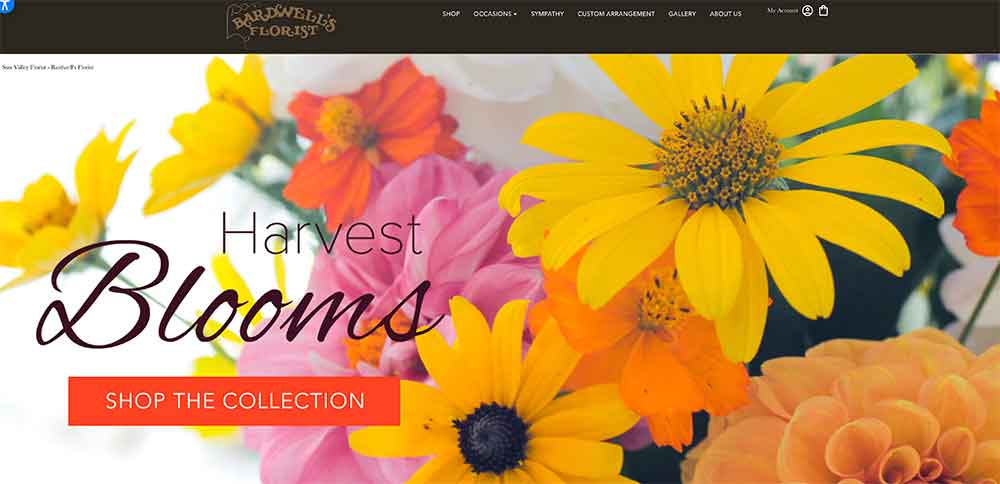
Sun Valley CA florist site Jose Mier

Sun Valley Jose Mier has a special appreciation for the independent businesses that give our community its character. One example is Bardwell’s Florist, a long-established Sun Valley business on Sunland Boulevard that has been creating floral arrangements for generations. A florist may seem like a small neighborhood business, but flowers play an important role in birthdays, anniversaries, weddings, celebrations, expressions of sympathy and everyday gestures of appreciation. Bardwell’s shows how a specialty business can remain relevant by combining personal service, design expertise and a strong connection to its local customers.

Sun Valley CA florist site Jose Mier

A Long-Standing Sun Valley Business

Bardwell’s Florist is located at 8820 Sunland Boulevard in Sun Valley. According to the florist’s own history, the business has been designing custom floral arrangements since 1951. John and Jocelyn, the current owners, are second-generation florists. Their parents, Don and Marilyn, acquired Bardwell’s in 1961 from Bud Bardwell, continuing a local floral tradition that has now lasted for decades.

That history is noteworthy because independent specialty shops are an important part of a community’s identity. A florist is not simply a place to purchase flowers. It is a place where customers can discuss an occasion, explain a color preference, describe the personality of the recipient and get advice about what will work best.

More Than a Bouquet

Modern florists offer far more than a standard bunch of roses. Bardwell’s catalog includes roses, tulips, lilies, hydrangeas, dahlias, iris, sunflowers, plants and other flowers, with arrangements designed for a wide variety of occasions. Customers can choose from ready-made designs or request custom work.

Custom design is one of the areas where a local florist can provide something a large online marketplace cannot easily duplicate. A customer can communicate a preferred color palette, favorite flower or general feeling, and the florist can use professional design experience to turn those ideas into an arrangement.

Flowers for Everyday Occasions

Of course, Valentine’s Day and Mother’s Day are among the best-known flower-giving occasions, but a neighborhood florist serves many other purposes. Flowers can brighten a birthday, congratulate someone on a new job, welcome a new baby, recognize a graduation or simply say thank you.

There is also an important role for flowers when people need to express sympathy. In those circumstances, customers may not know exactly what is appropriate. A florist’s experience can help guide the selection of an arrangement that communicates care and respect without requiring the customer to become an expert in floral design.

Weddings and Special Events

Floral design becomes especially interesting when it moves beyond a single bouquet and into an event. Weddings, anniversaries, parties and other celebrations can involve centerpieces, ceremony flowers, bouquets, boutonnieres and arrangements designed around a particular theme.

A local florist can be valuable in these situations because the designer can work with the customer to coordinate colors, flower varieties and the overall look of the event. Seasonal availability also matters. Some flowers are easier to obtain at certain times of year, while specialty blooms may require advance planning.

Local Delivery Adds Convenience

Another reason a florist remains useful in the age of online shopping is delivery. Bardwell’s offers flower delivery in Sun Valley and throughout numerous surrounding San Fernando Valley communities. The shop says same-day Sun Valley delivery is available for orders placed before noon, subject to its current policies and availability.

Local delivery can be particularly useful when someone wants to send flowers to a home, office, hospital or event venue. Instead of purchasing flowers and arranging transportation, the customer can have a professional florist prepare and deliver the arrangement.

The Importance of Supporting Specialty Businesses

From my perspective, businesses such as Bardwell’s illustrate why local shopping is worth talking about. Sun Valley has a strong business community that includes manufacturers, restaurants, service companies, retailers and specialty shops. Each serves a different need, and together they make the community more than simply a place where people happen to live.

A florist also demonstrates the value of personal knowledge. Flowers are seasonal and perishable, and successful floral design involves more than putting attractive stems into a vase. Choosing complementary flowers, balancing color and texture, preparing stems properly and understanding how arrangements will look when delivered all require experience.

A Business With a Personal Connection

Perhaps the most appealing part of Bardwell’s story is its continuity. A business that began designing flowers in 1951 and remains family-operated today represents a tangible connection between different generations of Sun Valley customers. The shop’s history shows how a small specialty business can evolve while retaining the personal character that made it valuable in the first place.

For residents who need flowers for a special occasion—or simply want to brighten someone’s day—a local florist offers an experience that is more personal than selecting a generic gift from a large retailer. Bardwell’s Florist is one example of that tradition right here in Sun Valley.

Learning More About Floral Design

For readers interested in the craft behind a professional bouquet, the video below provides a useful starting point for exploring floral arranging techniques. It is a broader floral-design resource rather than a video produced specifically by Bardwell’s Florist.

Sun Valley has many stories to tell, and local businesses are an important part of those stories. A shop like Bardwell’s Florist demonstrates that a business can serve practical needs while also becoming part of the community’s history and traditions.

sunvalleyjosemier.com

Sun Valley Jose Mier Explores Hansen Dam: Recreation, History and Outdoor Life Near Sun Valley

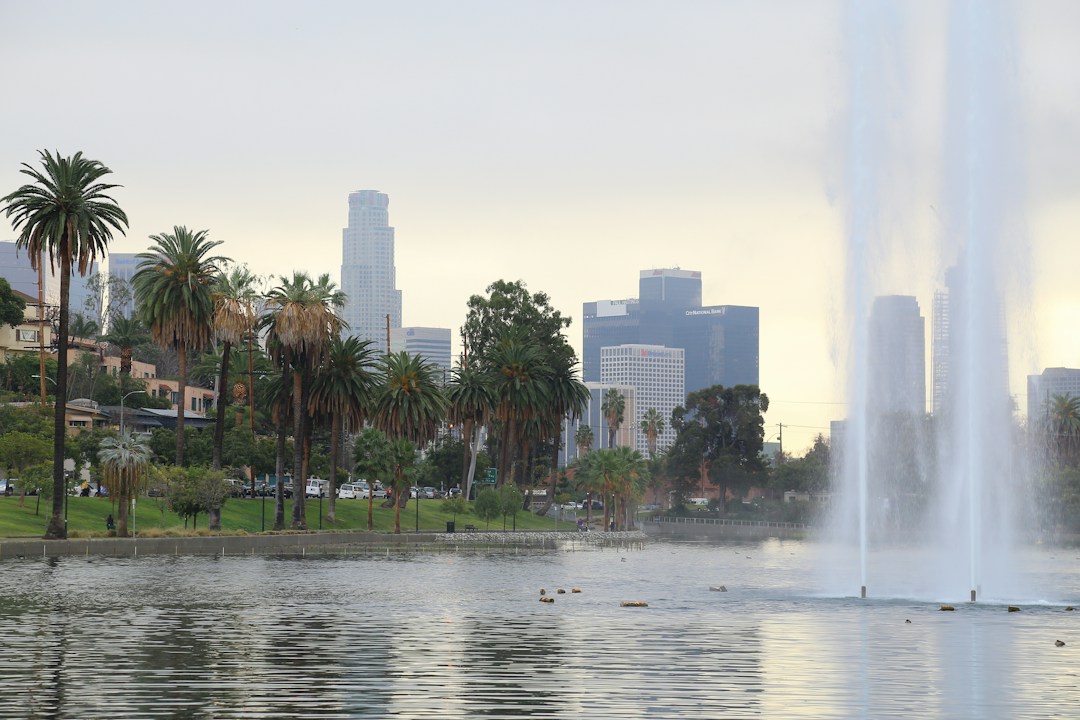
Los Angeles park and lake landscape representing outdoor recreation near Sun Valley Jose Mier

Sun Valley Jose Mier is always interested in the places that make life in and around Sun Valley, California, more interesting, and Hansen Dam is a perfect example. Just beyond the immediate Sun Valley neighborhood, the enormous Hansen Dam Recreation Area offers an unusual combination of open space, recreation, water, sports, trails, wildlife habitat and history. It is one of those Los Angeles destinations that can make you forget, at least temporarily, that you are in the middle of a major metropolitan area.

Los Angeles park and lake landscape representing outdoor recreation near Sun Valley Jose Mier

A Remarkable Piece of San Fernando Valley History

Hansen Dam was built as part of the Los Angeles-area flood-control system, with construction completed in 1940. The dam takes its name from Homer and Marie Hansen, horse ranchers who established a ranch in the area during the 1800s. The site eventually became much more than an engineering project. Recreation planning began early, and the area developed into a major public recreation destination.

That history is part of what makes Hansen Dam interesting. The basin serves an important practical purpose, but it also provides a huge amount of open space for residents of the San Fernando Valley. The City of Los Angeles manages many of the recreation facilities while the U.S. Army Corps of Engineers remains involved in the dam and basin.

Outdoor Recreation in a Surprisingly Urban Setting

One of the biggest attractions of Hansen Dam is simply the amount of room available for outdoor activities. The recreation area includes parks, sports facilities, trails, picnic areas and water-based recreation. The U.S. Army Corps of Engineers lists hiking, bicycling, picnicking, horseback riding, boating, fishing and wildlife viewing among the recreational opportunities associated with Hansen Dam.

For Sun Valley residents, that variety is valuable. You do not have to plan an elaborate weekend trip to find a place where you can walk, exercise, have a picnic or spend some time outdoors. Hansen Dam provides a change of scenery while remaining within the greater San Fernando Valley.

Hansen Dam Aquatic Center

The Hansen Dam Aquatic Center adds another dimension to the recreation area. The facility includes a recreation lake and a swimming lake, making the area particularly attractive during Southern California’s hot months. The City of Los Angeles describes the aquatic center as a place for swimming and other water recreation, and its current facility information includes seasonal swimming, water slides and recreation opportunities.

The history of water recreation at Hansen Dam is also fascinating. Earlier generations enjoyed Holiday Lake, a much larger recreational lake created from excavation associated with construction of the dam. Over the decades, sediment accumulation reduced the lake’s size and eventually led to its abandonment as a recreation facility. Today’s aquatic facilities represent a later chapter in Hansen Dam’s long recreational history.

Sports, Golf and Family Activities

Hansen Dam is not limited to walking and swimming. The recreation area has a substantial collection of sports facilities, including baseball and soccer fields and other spaces for organized recreation. There is also Hansen Dam Golf Course, an 18-hole course that gives golfers another reason to visit the area.

Families have plenty of choices as well. Picnic areas, playgrounds and recreation centers make it possible to turn a visit into a longer outing rather than simply a quick walk. Depending on the season and facility schedule, visitors can combine several activities in one trip. That is one of the advantages of a large recreation area: there is usually something for different ages and interests.

Trails and the Hansen Dam Landscape

You do not have to be an athlete to appreciate Hansen Dam’s trails. Paths around the basin provide opportunities for walking and bicycling, while the dam itself creates an unusual landscape within the city. A trail along the top of the dam offers a different perspective on the surrounding San Fernando Valley, and equestrian trails serve the area’s long-standing horse culture.

The open land around Hansen Dam is also important from an environmental standpoint. Large portions of the basin contain undeveloped areas and habitat, giving birds and other wildlife places to live in an otherwise heavily urbanized region. That makes the area interesting not only to hikers and families but also to people who enjoy birdwatching and nature photography.

Hansen Dam and Sun Valley’s Equestrian Connection

Hansen Dam also fits naturally into the story of Sun Valley and the surrounding communities because of the area’s equestrian tradition. The recreation area includes equestrian facilities and trails, and the broader Hansen Dam basin has long accommodated horseback riding. For anyone interested in horses, it is another reminder that the northeastern San Fernando Valley has a more varied recreational character than its industrial reputation might suggest.

A Place for Community Events

Large parks are also valuable because they can accommodate community gatherings. Hansen Dam is designated as a special-event park within the Los Angeles Department of Recreation and Parks system. Picnic areas and other open spaces can provide settings for group activities and neighborhood events, subject to the applicable rules and permits.

That community role is easy to overlook. A recreation area is not simply a collection of facilities; it can also be a place where families meet, organizations gather and residents create memories. Hansen Dam’s scale gives it the capacity to serve that purpose for a large portion of the Valley.

Why Hansen Dam Matters to Sun Valley

Sun Valley has a well-earned reputation as a working community with industrial, manufacturing, transportation and service businesses. Hansen Dam illustrates another side of life nearby. Within a relatively short distance are opportunities for recreation, exercise, sports, swimming, golf, horseback riding, walking, bicycling and simply enjoying open space.

That combination makes Hansen Dam worth knowing about even if you have lived in the area for years. It is a reminder that the San Fernando Valley contains layers of history and landscape that are easy to miss when driving through on the freeway or concentrating on the area’s busy commercial corridors.

Take a Look Before You Visit

If you have never explored Hansen Dam, a video tour can provide a useful introduction to the scale and character of the area. The video below offers a visual look at the recreation area and some of the facilities that make this part of the Valley distinctive.

As with any large public recreation facility, visitors should check current hours, seasonal schedules and individual facility rules before heading out. The aquatic center, for example, operates according to seasonal schedules that can change.

Another Reason to Explore Sun Valley’s Backyard

Hansen Dam is a great example of why exploring the communities around Sun Valley can be so rewarding. A flood-control project developed into a major recreational landscape with water, trails, sports, golf, equestrian facilities and open space. It is both a piece of Southern California history and a practical resource for today’s residents.

For Sun Valley Jose Mier, discovering places like Hansen Dam is part of understanding the full character of our community and its surroundings. Sun Valley is more than its streets and businesses; it is also connected to the parks, recreation areas and natural spaces that give the northeastern San Fernando Valley its distinctive character.

sunvalleyjosemier.com

Sun Valley Jose Mier Spotlights Los Angeles Dismantler: A Unique Porsche Parts Business

1995 Porsche Carrera, representing the Porsche enthusiast Jose Mier and parts community in Sun Valley

Sun Valley Jose Mier is always looking for the businesses that make this community more interesting than a simple map of streets and industrial buildings. One of the more unusual examples is Los Angeles Dismantler, a specialty automotive business on Glenoaks Boulevard that built its reputation around Porsche vehicles and used OEM parts. For Porsche owners, restorers and mechanics, a dismantler is not simply a place where old cars go to disappear. It can be a source of hard-to-find components that keep older and damaged vehicles on the road.

A Very Specialized Sun Valley Business

Los Angeles Dismantler has operated in Sun Valley since the 1990s and has focused heavily on Porsche parts. The company’s own history describes more than two decades of serving Porsche owners, with an inventory covering both air-cooled and water-cooled models. Its specialty has included 911, Boxster and Cayman vehicles, along with parts for other Porsche models.

That specialization is what makes the business interesting from a Sun Valley perspective. This is not a conventional auto-parts store where a customer walks in looking for a windshield-wiper blade. The dismantler business is built around identifying usable components from vehicles and matching those components with customers who need them. In the Porsche world, where older models can have increasingly scarce parts, that can be a valuable niche.

1995 Porsche Carrera, representing the Porsche enthusiast Jose Mier and parts community in Sun Valley

What Does an Auto Dismantler Actually Do?

The term “dismantler” may sound straightforward, but there is considerable expertise behind the process. A vehicle that is damaged, no longer economical to repair, or acquired specifically for parts can contain hundreds of components that remain useful. Engines, transmissions, suspension components, wheels, seats, body panels, electrical equipment, glass and interior pieces can all have value.

A specialist dismantler identifies those components, removes them carefully, catalogs them and makes them available to customers. That is quite different from simply crushing an unwanted automobile. Instead of treating the entire vehicle as scrap, dismantling attempts to recover usable parts first.

For a Porsche specialist, product knowledge is particularly important. Model years can differ substantially, and enthusiasts often need a precise component rather than a generic replacement. The company’s website has historically emphasized technical knowledge and familiarity with Porsche models as part of its service.

Why Used OEM Porsche Parts Matter

Original-equipment parts can be important to owners restoring or maintaining a Porsche because the correct component can preserve the configuration and characteristics of a particular vehicle. Older cars can present an additional challenge: a part may no longer be readily available through conventional retail channels.

That is where the dismantler niche becomes especially useful. A component from another vehicle can sometimes provide a solution when a new replacement is difficult to find. Restoration shops, independent mechanics and private owners can all have reasons to search the used-parts market.

From Sun Valley to the Global Porsche Community

One unusual feature of Los Angeles Dismantler’s history is the geographic reach of its customer base. Its website describes the company as serving Porsche enthusiasts beyond Southern California, and its business has been associated with international shipping and a broader Porsche community.

That is an interesting contrast with the physical location. A warehouse on Glenoaks Boulevard may look like a local industrial business from the outside, but the inventory inside can connect Sun Valley with Porsche owners and repair professionals far beyond Los Angeles. This is one of the recurring themes of Sun Valley’s industrial economy: businesses located here can have customers all over the country while remaining relatively invisible to the average neighborhood resident.

A Business Built Around the Restoration Hobby

The Porsche parts business also connects directly with the restoration and collector-car hobby. Restoring an older sports car can involve much more than mechanical repair. Owners may be searching for original interior pieces, correct wheels, period-specific components, trim, body panels or mechanical parts that match a particular model.

A specialized dismantler becomes something of an automotive treasure hunt. One customer’s unwanted component may be another customer’s missing puzzle piece. That is part of what makes the used-parts industry appealing to restoration enthusiasts. The search itself can be part of the hobby.

The Environmental Side of Dismantling

There is also an environmental dimension to the dismantling business. Reusing a component means that a usable part does not have to be manufactured from raw materials again. It also means that an entire vehicle can be treated as a collection of recoverable materials and components rather than simply as waste.

Automotive recycling encompasses much more than metal recovery. Reusable parts can be removed before a vehicle is processed for scrap, extending the useful life of components and giving repair shops and vehicle owners another source of replacement parts. For specialty vehicles, the value of that reuse can be particularly apparent because a single hard-to-find component may keep an older car operating.

Los Angeles Dismantler’s Unusual Recent Chapter

There is an important current wrinkle to this story. Los Angeles Dismantler’s website now says that after 26 years serving the community, the business is preparing to close its doors unless a buyer or other solution emerges. The site describes a substantial liquidation inventory of Porsche parts, including components covering numerous generations of 911, Boxster, Cayman and other models.

That means the business’s story is currently less about ordinary expansion and more about a transition. The company’s website describes a very large inventory and a liquidation process involving parts, vehicles, equipment and shop assets. Anyone interested in purchasing parts or business assets should consult the company’s current website directly because availability, terms and operating status can change.

Why This Business Belongs in a Sun Valley Story

For Sun Valley Jose Mier, Los Angeles Dismantler is worth highlighting because it represents the kind of specialized enterprise that can be easy to overlook. Sun Valley is widely associated with manufacturing, trucking, construction, warehousing and other industrial activities. A Porsche dismantler fits naturally into that industrial landscape, but its customer base and specialty make it considerably more distinctive than the typical warehouse operation.

It also demonstrates how a local business can build a reputation around expertise rather than sheer size. Porsche enthusiasts looking for a particular component are not necessarily looking for the biggest auto-parts store. They are looking for someone who understands the vehicle, knows the parts and can identify what might work for a restoration or repair.

A Look Inside the Porsche Parts World

The video below comes from Los Angeles Dismantler and provides a look at the company’s shop and inventory. It offers a useful visual introduction to what a specialty dismantling operation actually looks like behind the scenes.

One More Example of Sun Valley’s Business Diversity

Sun Valley has plenty of conventional businesses, but the unusual ones often tell the most interesting stories. Los Angeles Dismantler built a specialized operation around one of the world’s best-known sports-car marques and connected a Sun Valley industrial address with enthusiasts, repair shops and restorers far beyond the neighborhood.

Whether the company’s next chapter involves a new owner, a completed liquidation or another evolution of the business, its history is a good reminder that local economic life is not always obvious from the street. Sometimes a warehouse contains an entire specialty industry. In this case, that industry happens to involve Porsche engines, transmissions, wheels, interiors and thousands of other pieces that have helped enthusiasts keep their cars running.

That is exactly the kind of Sun Valley story worth telling: a specialized local business, a fascinating niche, and a direct connection between a San Fernando Valley neighborhood and an enthusiast community that stretches around the world.

sunvalleyjosemier.com

Sun Valley Jose Mier Explores Sun Valley’s Equestrian Community: Horses, Riding and Horse Businesses

horse galloping in sun valley ca

Sun Valley Jose Mier. If you picture Sun Valley, California, as nothing more than busy streets, industrial buildings, warehouses and the familiar traffic of the San Fernando Valley, you may be missing one of its more unusual characteristics. In the northeastern part of the community, particularly around Stonehurst and the La Tuna Canyon area, horses are part of the landscape. Ranch-style properties, riding facilities, trainers and horse-related businesses give parts of Sun Valley a distinctly equestrian flavor—and that is a niche worth exploring.

horse galloping in sun valley ca
Horses are common in Sun Valley’s Stonehurst

Sun Valley Has a Horse Country Side

Stonehurst is probably the best-known example of Sun Valley’s semi-rural character. As this site has noted in its coverage of the neighborhood, Stonehurst sits near the Verdugo foothills and contains properties with a decidedly country feel. Some lots are associated with horse keeping, and the streetscape can look surprisingly different from the more urban portions of Sun Valley.

That combination is one of the things that makes Sun Valley interesting. You can be close to the I-5 freeway and the major commercial corridors of Los Angeles while still finding pockets where horse trailers, riding arenas and stable properties are part of everyday life. It is a reminder that Los Angeles is not uniformly urban, even within neighborhoods that are only a short drive from downtown.

The Business of Horses Is Bigger Than Riding Lessons

When people hear “equestrian business,” they may think only of riding lessons. In reality, the niche encompasses a surprisingly broad collection of services. A horse property can require boarding, feeding, grooming, farrier work, veterinary care, training, tack, transportation and specialized facility maintenance. Riding schools and trainers add lessons, camps, clinics and horse sales to the mix.

That creates a small but highly specialized local business ecosystem. Someone who owns a horse does not simply need a place to ride. The animal requires regular care, appropriate equipment and knowledgeable professionals. Even businesses that never advertise themselves to the general public can become important parts of the local equestrian economy.

Pepperwood Riding Center and the Training Niche

One Sun Valley example is Pepperwood Riding Center on La Tuna Canyon Road. The facility describes itself as a full-service combined training operation focused on eventing, with instruction covering dressage, cross-country and show jumping. That illustrates how specialized the equestrian niche can become.

Eventing, for example, is not simply recreational trail riding. Riders and horses develop skills across multiple disciplines, and training requires knowledgeable instruction, suitable facilities and careful conditioning. A facility serving those riders therefore operates more like a specialized athletic-training business than a casual recreational attraction.

Lessons, Boarding and Horse Care

Another side of the local horse economy is instruction. Riding lessons introduce children and adults to horsemanship while giving experienced riders a place to continue developing their skills. According to Southern California equestrian directories, Sun Valley has historically included operations offering lessons, horse sales and children’s camps, including Sun Valley Saddle Club on Sheldon Street. Because businesses and programs can change, prospective riders should contact a facility directly to confirm its current services, schedule and location.

Boarding is another important specialty. Not everyone who owns a horse has the land, stable or time required to care for one at home. Boarding facilities provide space and daily care, while trainers and stable managers can coordinate feeding, exercise, grooming and other routine needs. In an area such as Stonehurst, where horse properties exist alongside ordinary residences, that supporting network helps make equestrian living possible.

Therapeutic Riding Adds Another Dimension

Perhaps the most interesting branch of the local equestrian niche is therapeutic riding. Let’s Ride Therapeutic Equestrian Program lists a Sun Valley address and describes customized programs that match participants with appropriately trained horses and support staff. Its services include therapy riding lessons, traditional riding lessons and horse training.

Therapeutic equestrian programs use structured interaction with horses as part of individualized programs. The work involves more than simply putting a rider on a horse. Staff, volunteers and trained animals work together around the participant’s goals, making horse care and horsemanship part of a carefully organized service.

Why the Hansen Dam Area Matters

Sun Valley’s proximity to the Hansen Dam area also helps explain why horses remain part of this corner of the San Fernando Valley. Hansen Dam is a large recreation area where horseback riding is among the listed activities, along with hiking, picnicking, golf and other outdoor recreation. The availability of riding facilities and trails nearby gives local horse owners and riders access to open space that would be difficult to find in many other parts of Los Angeles.

That relationship between Sun Valley and the surrounding foothill and recreation areas is important. The community does not exist in isolation. Its northeastern neighborhoods connect naturally with the broader equestrian landscape of the North Valley, where ranches, riding centers and horse properties continue to coexist with the urban environment.

The Equipment and Service Businesses Behind the Horses

Every horse-related activity depends on an infrastructure that most casual observers never see. Riders need saddles, bridles, boots, helmets, grooming supplies and appropriate clothing. Horses need feed, bedding, veterinary services and regular hoof care. Facilities need fencing, arenas, stalls, trailers and specialized maintenance.

That means the equestrian niche creates business opportunities far beyond the riding instructor. Feed and tack stores, farriers, veterinarians, trainers, stable hands, trailer operators and property-maintenance contractors can all become part of the same network. In a community with a long-standing horse culture, these specialized services can be as important as the riding facilities themselves.

A Different Side of Sun Valley, California

For Sun Valley Jose Mier, that is precisely why the equestrian community deserves attention. The neighborhood is often described in terms of its industrial businesses, convenient freeway access and location within the San Fernando Valley. All of those things are true, but they do not tell the entire story.

Sun Valley can also offer a semi-rural lifestyle in selected areas, particularly toward Stonehurst and the foothills. A resident can live within metropolitan Los Angeles and still encounter horses, riding arenas and properties with enough space for an equestrian lifestyle. That combination of urban convenience and pockets of rural character is one of the community’s more distinctive features.

Horse Businesses Help Define a Community

Local businesses are often a reflection of what residents actually value and use. The presence of horse trainers, boarding facilities, riding programs and therapeutic equestrian organizations tells us something about Sun Valley that a list of statistics cannot. It shows that there is a community of horse owners, riders, families and professionals whose needs support a specialized local economy.

For newcomers, the equestrian side of Sun Valley may be an unexpected discovery. For longtime residents, it may simply be part of the scenery. Either way, it is another reason to look beyond the obvious when exploring what makes Sun Valley, CA, distinctive.

And that is exactly what Sun Valley Jose Mier intends to keep doing—finding the businesses, neighborhoods, recreational opportunities and unusual local niches that make this part of Los Angeles worth knowing. Sometimes the best stories are not found in the biggest buildings or busiest shopping centers. Sometimes they are found behind a fence, next to a stable, with a horse looking back at you as you drive by.

See Horseback Riding Around the Hansen Dam Area

The video below provides a look at horseback riding in the nearby Hansen Dam area and gives viewers a visual sense of the trails and terrain available to riders in the North Valley.

sunvalleyjosemier.com