
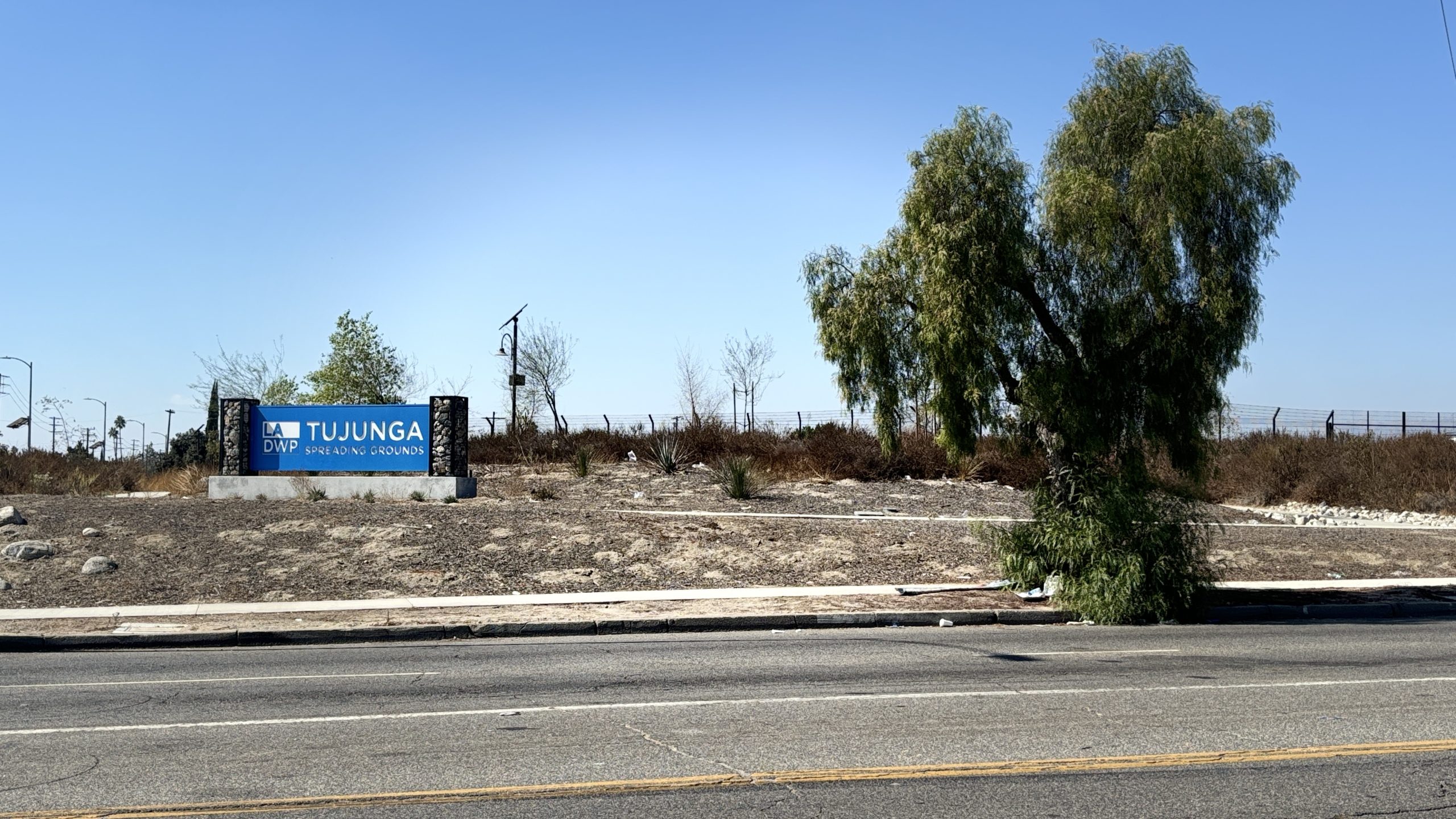
Sun Valley Jose Mier is always looking for the local places and projects that make Sun Valley, California, more interesting than a quick drive through the San Fernando Valley might suggest. One important, if often overlooked, feature is the Tujunga Spreading Grounds: a large stormwater-capture and groundwater-recharge facility near the meeting of the I-5 and SR-170 freeways. It may not look like a conventional park or attraction, but its role in the region’s water supply is significant.
What are the Tujunga Spreading Grounds?
The Tujunga Spreading Grounds are an engineered system of broad, shallow basins designed to collect stormwater and allow it to seep into the ground. The facility is operated through cooperation between the Los Angeles Department of Water and Power (LADWP) and the Los Angeles County Flood Control District. Rather than letting all captured runoff flow away through concrete channels, the system helps replenish groundwater stored beneath the San Fernando Valley.
That underground water matters. Southern California has a dry climate, long periods between significant storms, and substantial demand from homes, businesses, parks, and industry. Local groundwater is one part of the region’s broader water portfolio, alongside conservation, imported supplies, and other local sources. Facilities like these help make more productive use of the rain that does arrive.
How stormwater becomes a local resource
When winter storms move across Los Angeles, rainwater runs off streets, roofs, and other hard surfaces. Flood-control channels carry water through the region to reduce the risk of inundation. At a spreading-ground facility, water can be diverted into basins where it gradually infiltrates the soil and contributes to groundwater recharge.
This process is different from storing water in a visible reservoir. Much of the storage happens underground, in the spaces between soil and rock. The basins therefore serve a practical infrastructure purpose even when they look quiet or dry. Their effectiveness depends on rainfall, operating conditions, soil permeability, maintenance, and the amount of water that can be safely directed into the system.
Modern improvements with long-term benefits
LADWP and the county have worked on enhancements to the Tujunga facility, including reconfiguring and deepening basins and updating intake structures. According to LADWP’s project information, the improvements were intended to increase stormwater capture and groundwater recharge while improving the site’s appearance and providing a walking path in designated open-space areas. The project illustrates how infrastructure can sometimes serve more than one purpose: water management first, with opportunities for public-facing open space where appropriate.
These upgrades are especially relevant as cities adapt to changing rainfall patterns and the pressures of drought. A single stormwater project cannot solve every water challenge, but a network of facilities can help Los Angeles retain more of the water that falls within its watershed. Capturing runoff can also reduce the amount of polluted stormwater moving downstream, although water quality still requires careful monitoring and management.
Why this matters to Sun Valley residents
For people who live or work in Sun Valley, the spreading grounds are part of the largely unseen systems that keep a major city functioning. Water supply, flood protection, roads, power, and waste services often attract attention only when something goes wrong. Yet these services influence daily life and the resilience of local businesses just as surely as a shopping district or restaurant does.
Reliable local water resources matter to households, schools, landscaping, manufacturing, and commercial operations. Conservation remains important, but so does making better use of available local supplies. Groundwater recharge is one way agencies can stretch the value of stormwater and reduce, to some extent, reliance on water brought in from far away.
A different kind of open space
It is useful to remember that the Tujunga Spreading Grounds are a working water-management facility, not an unrestricted recreation area. Visitors should follow posted signs, respect barriers, and check current access information before planning a walk. Do not enter operational basins or channels, and never approach flowing stormwater during or after storms. Flood-control infrastructure can become dangerous quickly, even when conditions appear calm.
For residents interested in the wider story, the site also offers a reminder that open space in an urban region can have several functions. Some places are designed primarily for sports or picnics; others preserve habitat, manage floodwater, or help recharge groundwater. Understanding these roles makes it easier to appreciate the complex landscape around Sun Valley.
Learn more from the agencies doing the work
For project background and details on the improvements, visit the Los Angeles Department of Water and Power’s Tujunga Spreading Grounds Enhancement Project page. It explains the facility’s purpose, the partner agencies, and the expected water-supply benefits.
Video: LADWP has also published an overview of the Tujunga Spreading Grounds enhancement project. Watch the project video.
Appreciating the systems behind the neighborhood
Sun Valley’s identity is shaped by more than its homes, businesses, and busy streets. It also depends on the infrastructure that manages water and supports the region through dry seasons and heavy rain. The Tujunga Spreading Grounds are a practical example of that work happening close to home. Learning about places like this gives residents a fuller picture of how the San Fernando Valley operates—and why investing in thoughtful water management matters for its future.