
Sun Valley Jose Mier enjoys exploring the places around the San Fernando Valley that keep local history alive. One standout destination is Valley Relics Museum in Lake Balboa, a fascinating collection of signs, cars, photographs, memorabilia and objects that tell the story of the Valley’s everyday life and popular culture. Located in hangars at Van Nuys Airport, it offers a different kind of outing from the region’s usual studio tours and shopping destinations.
A museum devoted to the Valley’s own story
Southern California history is often told through Hollywood, beaches and famous landmarks. Valley Relics brings the focus closer to home: the restaurants families visited, the businesses that lined local boulevards, the entertainment venues that hosted generations, and the objects that once seemed ordinary. Its mission is to collect, preserve, interpret and present the history of the San Fernando Valley and surrounding areas. That mission makes the museum relevant to longtime residents as well as newcomers who want to understand the communities they now call home.
The collection is intentionally eclectic. Visitors may encounter vintage neon signs, classic automobiles, old photographs, yearbooks, restaurant menus, documents, art, western clothing and BMX bicycles. There are also retro arcade pieces and artifacts connected to the Valley’s entertainment and commercial life. Rather than organizing the experience around a single narrow subject, the museum brings together many threads of local identity.
Neon signs that bring vanished places back
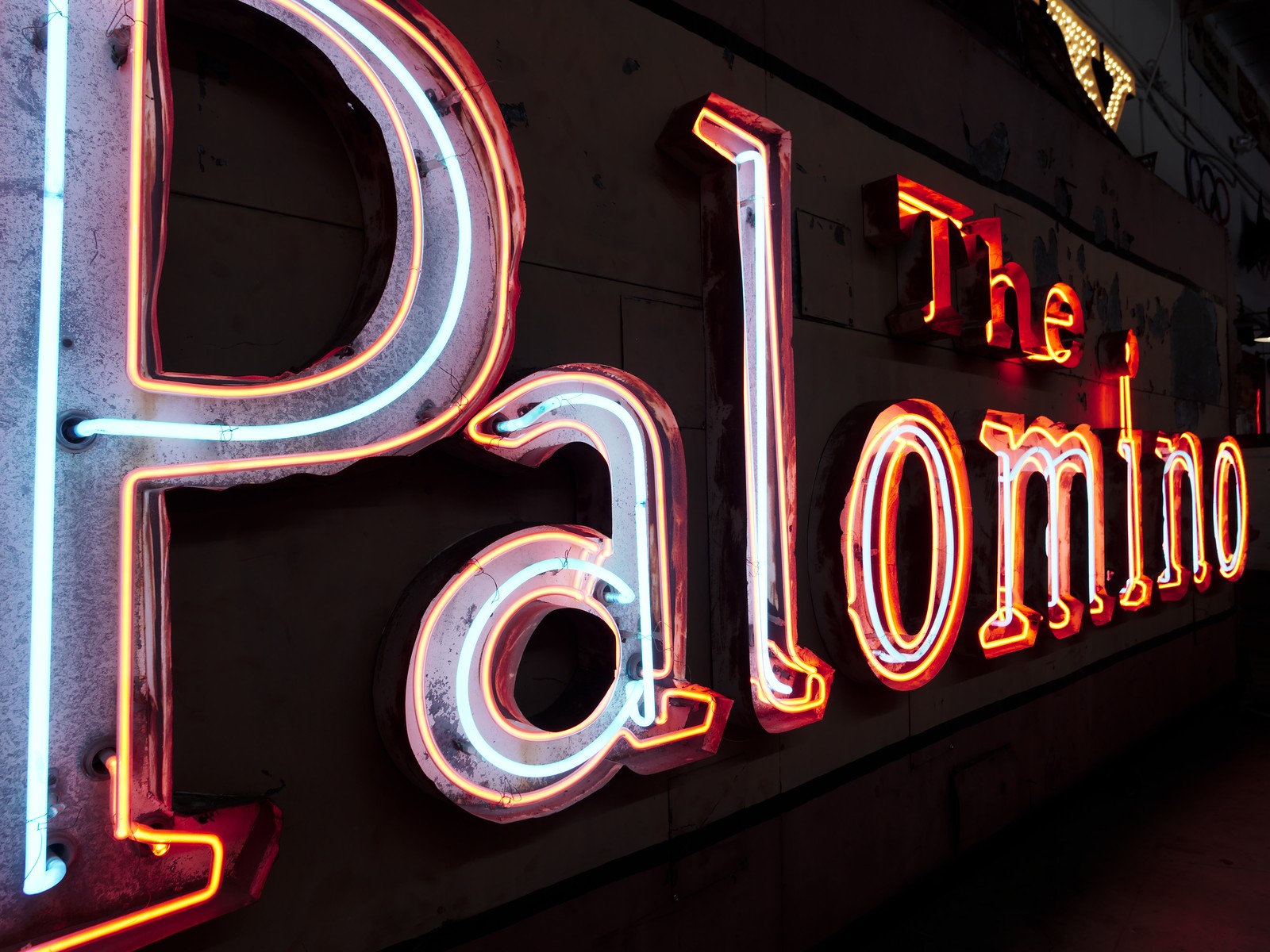
Among the most evocative pieces are the signs rescued from businesses and venues that have disappeared. A neon sign is more than lettering and colored light: it can conjure the look of a street at night, a favorite restaurant, a music club or a family’s weekend destination. The Palomino Club sign, for example, recalls the celebrated North Hollywood country music venue. Preserved in a museum setting, these signs give visitors a tangible connection to places that might otherwise survive only in memories and old photographs.
Local business history is particularly interesting because it connects broad changes to personal experience. A restaurant menu can reveal what people ate and how prices changed. A promotional item may recall a shop or chain that once seemed permanent. These artifacts help explain how the Valley grew and how its commercial landscape evolved alongside housing, transportation and entertainment.
Cars, bikes and pop culture
Vehicles and recreational objects add another dimension to the exhibits. Classic cars speak to Southern California’s car culture, while vintage BMX bicycles point toward the Valley’s role in the development of bicycle motocross. Clothing, memorabilia and entertainment-related pieces reflect the influence of film, television and music on local life. For guests who grew up in the area, an item may spark a personal recollection; for younger visitors, it can be an introduction to a period they know mostly through movies or family stories.
This mixture is part of the appeal. The museum can be enjoyed as a visual collection, but it also encourages conversation. Parents and grandparents can share memories, while children can compare older technology and design with the things they use today. A visit can become a small family history session without feeling like a classroom lesson.
An unusual setting at Van Nuys Airport
Valley Relics Museum is located at 7900 Balboa Boulevard, Hangars C3 and C4, in Lake Balboa, with the entrance on Stagg Street. Its airplane-hangar setting gives the collection a roomy, industrial backdrop that feels distinct from a traditional gallery. The museum is close enough to Sun Valley and other San Fernando Valley communities to make a worthwhile day trip, especially for residents looking for a local activity with substance.
Before heading out, visitors should confirm current opening days, hours, admission and any special closures through the museum’s official site. Details can change, and the museum notes that the objects on display rotate. Checking in advance is a sensible way to make sure the visit lines up with expectations. The museum also welcomes inquiries about group and school visits by appointment.
Why local history deserves attention
Communities are shaped not only by major events but also by familiar places: the corner store, the drive-in, the music venue, the family restaurant and the neighborhood hangout. Those places often change or vanish as the region develops. Collecting their signs, photographs and artifacts preserves evidence of the lives people lived here. Valley Relics Museum provides a place where that history can be shared rather than left scattered in garages, scrapbooks and fading recollections.
For Sun Valley Jose Mier, a nearby museum like this represents the kind of destination that enriches a regional community. It invites residents to look at the San Fernando Valley with fresh eyes and recognize that local stories are worth safeguarding. Whether someone is interested in vintage signage, cars, music, architecture, business history or simply a nostalgic afternoon, the museum offers a memorable way to explore the Valley’s past.
Plan a visit
Find current visitor information, admission details and museum updates on the official Valley Relics Museum website. Consider allowing time to look closely at the displays rather than rushing through: many pieces reward a second glance, and the stories they prompt can be just as interesting as the objects themselves. It is a distinctive San Fernando Valley destination and a reminder that the region’s history lives in its neighborhoods, businesses and shared memories.